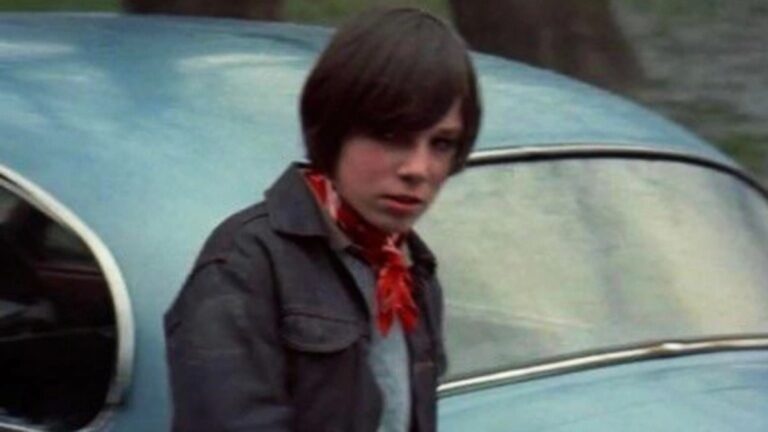
Long before the standing ovations, the gold statues and the hushed reverence of critics, he was just a teenager blending into the background of a serious British film. Few noticed him then. More than five decades later, many consider him the finest actor of his generation.
A modest start no one noticed
In the early 1970s, a young Daniel Day-Lewis appeared briefly—and without credit—in a film that would go on to earn multiple Oscar nominations. He was barely in his teens, had no formal training, and certainly no hint of the reputation he would later build. It was the kind of role most actors forget entirely: a fleeting moment on screen, easily missed.
I’ve spoken to actors who started the same way—crowded sets, silent appearances, long hours for almost no recognition. Most never make it past that stage. Day-Lewis did something different: instead of chasing quick fame, he stepped back and chose to learn his craft properly.
From stage training to serious roles
After that early experience, he turned to theatre, enrolling in professional acting training and honing his skills on stage. When he returned to film in the 1980s, it was clear he wasn’t interested in shortcuts. Early performances in historical dramas and literary adaptations quickly caught critics’ attention.
Films such as My Beautiful Laundrette and A Room with a View showed a young actor already committed to character immersion and emotional precision. Industry observers, including members of the British Film Institute, often cite this period as the moment his extraordinary discipline became impossible to ignore.
A record no other actor holds
Over the decades, Day-Lewis built a career defined by intensity, patience and rarity. He became the only performer in history to win three Academy Awards for Best Actor, for roles that could not be more different: a writer living with disability, a ruthless oil baron, and a reflective U.S. president.
His process is legendary. For one role, he remained in a wheelchair throughout filming. For another, he learned trades, accents and physical habits until cast and crew addressed him only as his character. This level of method acting is often debated, but the results are hard to dispute. The Academy of Motion Picture Arts and Sciences has repeatedly rewarded that commitment.
Stepping away—and returning quietly
In 2017, he announced his retirement, choosing to leave the spotlight while still at the top. For years, his absence only strengthened his myth. Then came news of a discreet return in a film co-written with his son—a project far from blockbuster ambitions, but deeply personal.
It felt fitting. His career has never been about visibility for its own sake. Instead, it’s been about artistic discipline, selective roles and a refusal to dilute his standards.
Why his story still resonates
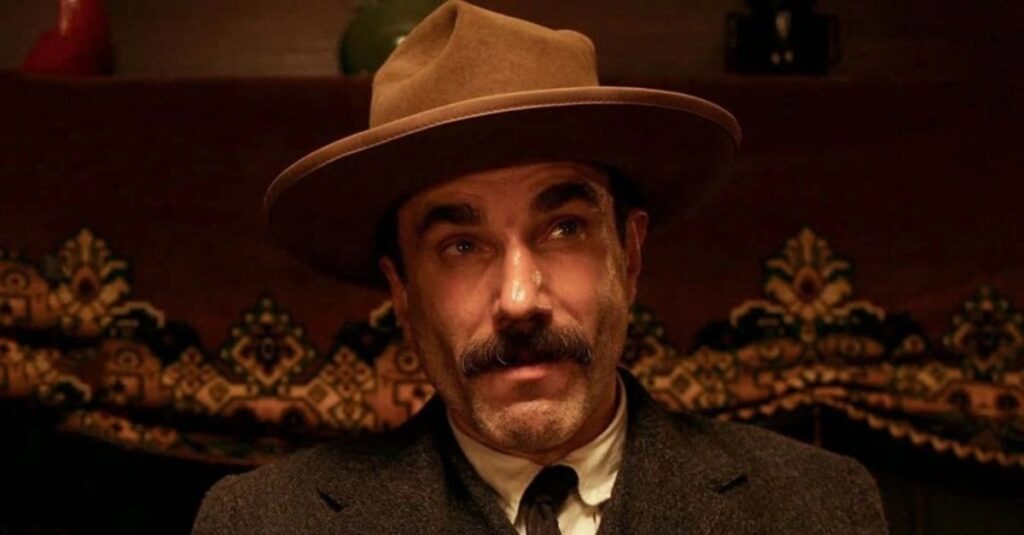
From an uncredited appearance in a celebrated film to global recognition as a cinema legend, his journey is a reminder that greatness often starts quietly. Talent matters, of course—but patience, restraint and relentless preparation matter just as much.
In an industry obsessed with overnight success, his path stands apart. Fifty-four years on, that barely visible teenager has become a benchmark against which acting itself is measured.