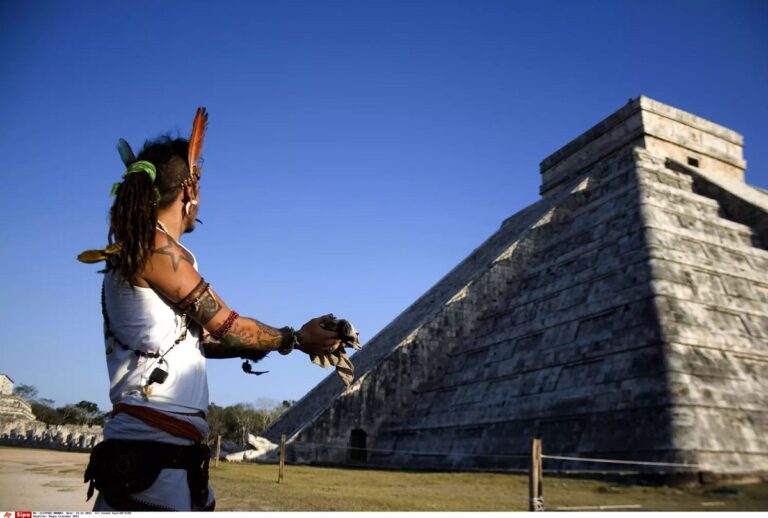
The downfall of the Mayan civilization has long been a mystery, with many attributing its collapse to mythic explanations or divine curses. However, recent studies have provided a much more grounded explanation, one that, as it turns out, holds valuable lessons for our modern world. In fact, the findings might have more relevance to our lives today than we think.
Unveiling the Mystery Behind the Maya’s Disappearance
The Mayan civilization, once a thriving and powerful force in Central America, began to show signs of distress as early as the 15th century. Researchers, delving deep into the past, have now traced the root causes of this dramatic decline, and their findings offer an eye-opening look at the impact of environmental changes on societal collapse.
One of the key insights that emerged from these studies is that the decline wasn’t sudden nor catastrophic in the traditional sense. Instead, the collapse was a slow-burning crisis brought on by severe environmental conditions. According to research published in 2022, this societal fall was driven by a series of political upheavals and internal conflicts that escalated from a series of prolonged droughts.
Researchers have now pinpointed a drought between 1400 and 1450 AD as a key factor in the destruction of the Mayan capital, Mayapan. This period of drought was not just a weather event—it had far-reaching consequences. The lack of water significantly impacted agriculture and disrupted the trade routes that were vital to Mayapan’s survival. As crops failed and food became scarcer, tensions within the population grew. Civil conflict intensified, leading to a breakdown in the political structures of the city-state.
One researcher noted, “Our results support the institutional collapse of Mayapan between 1441 and 1461, which was a consequence of civil strife, driven by political rivalry and ambition.”
A War Over Water: The Destructive Legacy of the Drought
The most shocking aspect of the research was the revelation that much of the civil unrest and the ensuing war during this period was rooted in the competition for water resources. The severe drought created a dangerous situation where water sources became coveted and fought over, leading to a destructive water war. With survival at stake, it’s not difficult to imagine how old alliances dissolved and groups once united by common interests found themselves divided by bitter rivalry.
The drought didn’t just affect daily life—it brought political instability, forcing people to leave the once-great city in search of more secure living conditions. This migration further fragmented the Mayan civilization, and while pockets of the culture survived for some time, the collapse of Mayapan marked the beginning of the civilization’s slow extinction, ultimately disappearing entirely by 1520.
How Climate Change Played a Role—and What It Means for Us Today
The story of the Maya’s downfall holds a powerful parallel for our modern world. While the civilization struggled with a natural disaster beyond its control, the long-term effects of climate change were undeniably influential in shaping the course of history. The Maya, as remarkable as their achievements were, found themselves unprepared for the environmental changes that swept through their land.
Fast forward to today, and the world faces similarly pressing challenges. Climate change is already altering weather patterns, leading to rising temperatures and more frequent droughts. A 2023 study confirmed that the atmosphere is warming by more than 0.2°C per decade, and human activity, particularly the burning of fossil fuels, is a primary driver of this shift.
The Mayan experience serves as a stark warning to modern societies: we must adapt to these changes and address climate issues before they force us into similar conflicts and struggles for survival. The decline of Mayapan wasn’t just a tale of ancient misfortune; it was a lesson in how environmental changes can fuel political turmoil, economic instability, and social collapse.
Learning From the Past: What Can We Do?
Looking back at the fall of the Maya, we can draw several lessons about the importance of environmental resilience and sustainability. Societies today need to prioritize sustainable practices, water conservation, and climate adaptation strategies to avoid repeating the mistakes of the past. The rise of environmental activism, especially from younger generations, is encouraging, but it’s crucial to move from awareness to tangible, policy-driven action.
Just as the Maya adapted their agricultural practices to their environment, modern civilizations must adapt to the current climate crisis. History may not repeat itself exactly, but the consequences of ignoring environmental sustainability could be just as severe.
In conclusion, while the downfall of the Mayan civilization occurred centuries ago, its lessons are timeless. As we face an increasingly unpredictable climate, the collapse of Mayapan reminds us that no civilization is immune from the impacts of the environment. We must act now, before it’s too late, to ensure that future generations do not look back at our age as another lost civilization.