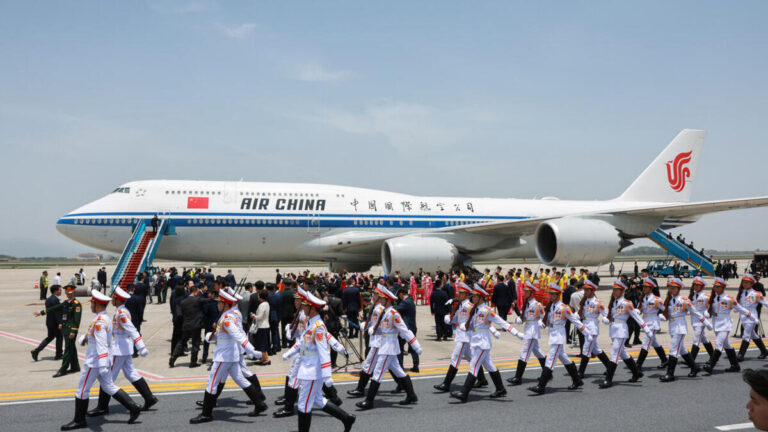
Starting on April 14, 2024, Chinese President Xi Jinping embarked on a significant tour of Southeast Asia, visiting Vietnam, Malaysia, and Cambodia. The trip is strategically aimed at reinforcing China’s economic and diplomatic relationships with these nations, all while navigating the growing trade tensions between China and the United States.
Xi Jinping’s Visit to Vietnam : Expanding Cooperation
Xi began his tour in Vietnam, where he’s expected to sign around forty cooperation agreements across a variety of key sectors, including rail transport, agriculture, digital technology, and green development. This agreement marks a significant step in the strengthening of bilateral ties between the two nations, although the relationship is not without complexities. Recently, Vietnam imposed anti-dumping tariffs on Chinese steel, highlighting some of the challenges that still remain in the partnership. Nevertheless, the overall goal of this visit is to deepen economic ties and foster a sense of mutual benefit, which will likely benefit both nations’ long-term interests.
Malaysia: Enhancing Bilateral Relations
The next stop for Xi Jinping was Malaysia, where discussions are set to focus on trade and infrastructure. This visit is regarded as an important milestone in China-Malaysia relations. The nations have shared interests in expanding economic cooperation, and Malaysia is seen as a vital player in China’s Belt and Road Initiative. Strengthening infrastructure links, especially in trade routes and technology, is expected to take center stage during these discussions. Malaysia is one of China’s largest trade partners in Southeast Asia, and this visit is aimed at further solidifying those economic bonds.
Cambodia: A Strategic Ally
Finally, Xi will head to Cambodia, one of China’s most trusted allies in Southeast Asia. Cambodia has recently completed the modernization of a naval base with Chinese support, underscoring the strong defense and strategic partnership between the two nations. As a close partner, Cambodia is seen as an important player in China’s broader strategy in the region. China continues to support Cambodia’s development projects, and the two nations are likely to deepen their ties in areas such as infrastructure, trade, and regional security.
Southeast Asia: A Vital Economic Region for China
Southeast Asia plays an increasingly critical role in China’s economic strategies. In 2024, the countries of the Association of Southeast Asian Nations (ASEAN) were among China’s top trading partners, with nations like Vietnam and Malaysia leading the charge. As China looks to diversify its trade relations, the region remains a priority for its economic diplomacy.
Xi Jinping’s focus on emerging technologies like 5G and artificial intelligence (AI) during this tour highlights his commitment to boosting cooperation in these key areas. Strengthening technological ties will help China secure a stable supply chain in the region, providing the country with a competitive edge in global markets.
Counteracting the U.S. Trade War: China’s Strategic Pivot
Against the backdrop of an ongoing trade war with the United States, China is positioning itself as a stable and reliable partner in Southeast Asia. By emphasizing regional cooperation, technological innovation, and economic integration, Xi aims to distance China from the increasingly unpredictable U.S. trade policies. The message is clear: as the U.S. market fluctuates, China offers an alternative path forward for the region, focusing on long-term stability and mutually beneficial growth.
In conclusion, Xi Jinping’s Southeast Asia tour is more than just a diplomatic visit; it is a calculated effort to fortify China’s economic and strategic foothold in a region crucial to its global ambitions. As Southeast Asia continues to evolve as a key player in international trade, China is positioning itself at the center of this dynamic economic landscape.