When it comes to bedtime habits, most of us fall into two camps: the “door open” sleepers and the “door closed” loyalists. It might feel like nothing more than a matter of comfort or preference, but in reality, this small choice could one day make the difference between life and death.
The hidden danger in leaving doors open
In 2019, the Fire Safety Research Institute (FSRI) launched a campaign urging people to close their doors at night. Their message was simple but striking: this small, everyday action could save lives in the event of a fire.
A closed door acts as a powerful barrier against smoke, toxic carbon monoxide, and flames. By slowing down how quickly these dangers spread, it buys you and your family more precious minutes to escape.
And those minutes matter. A lot.
Fires spread faster than ever
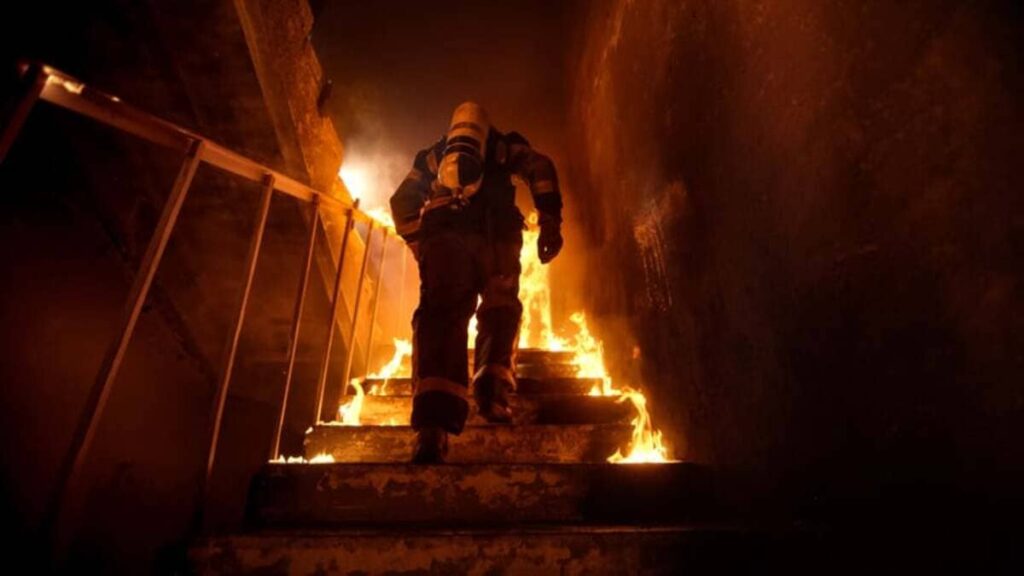
Modern homes are filled with synthetic materials — plastics, foams, and lightweight woods — that ignite and burn more quickly than older, heavier furnishings. According to FSRI research, the time to safely evacuate during a house fire has shrunk dramatically: from about 17 minutes in the 1980s to just 3 minutes today.
That’s not much time to react, especially if a fire breaks out while you’re asleep. A closed bedroom door can slow that countdown, giving firefighters more of a chance to reach you — and giving you more of a chance to reach the exit.
The myth of easier escapes
Many people believe keeping doors open makes it easier to escape in an emergency. In truth, the opposite is often the case. An open door allows fire and smoke to spread rapidly, cutting off escape routes far more quickly.
Despite awareness campaigns, nearly a third of Americans still sleep with their bedroom doors open, according to FSRI surveys. It’s a habit rooted in convenience — or sometimes a false sense of safety — but one that could prove dangerous.
Simple steps to stay protected
Closing your bedroom door at night is a small but vital step toward better safety. But it shouldn’t be the only one. Experts also recommend installing smoke alarms in bedrooms and hallways. These devices are designed to wake you in the event of a fire and can prevent the inhalation of toxic smoke, which is often more deadly than flames themselves.
A small change with a big impact
It may feel like an insignificant detail — pulling your bedroom door shut before drifting off to sleep. But in a world where house fires move faster than ever, it’s a habit worth building.
Think of it as part of your nightly routine, right alongside brushing your teeth or switching off your phone. One simple action could give you the extra minutes you need to survive. And when safety comes down to something so small, why not make it a non-negotiable?