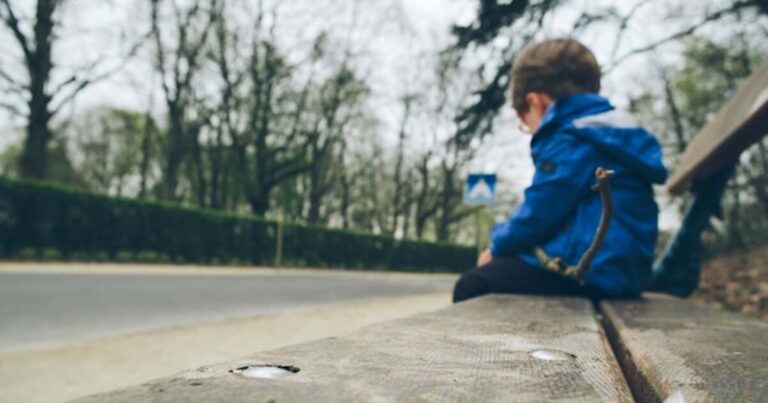
Most parents have encountered one of those moments — the kind that hits you in the chest and makes you want to wrap your child in bubble wrap, emotionally and otherwise. For one mum, that moment came courtesy of an innocent-looking party invite. Or rather, the complete lack of one.
On what should have been just another weekday afternoon, her eight-year-old son walked through the front door, devastated. Tear-streaked cheeks, shoulders hunched, clutching a crumpled book bag. The reason? His classmate had handed out birthday invitations to every single child. Every single one — except him.
Now, we all know children can be fickle. One day you’re best mates, the next you’re sworn enemies over who gets the red pencil. But for this mum, it wasn’t just a case of playground politics. Her son, she explained, already finds it hard to fit in. Social situations are tricky. Making friends is even trickier.
When exclusion feels deliberate
What made the whole thing more painful was the knowledge that her son actually got on with the birthday boy — let’s call him “M” for now — when the two of them were alone. They’d play, laugh, and behave like perfectly normal eight-year-olds. But the moment an audience appeared, M apparently transformed into a different child. One less kind. One who, for reasons only known to him, decided her son wasn’t worthy of a seat at the party table.
The mum didn’t lash out. She didn’t go full-on keyboard warrior or demand an apology from M’s parents. In fact, she took a calm, measured approach. “Of course, M can invite whoever he likes,” she wrote. “It’s his party, after all.” But — and it’s a big but — she couldn’t help but wonder why only her son was left out, especially so publicly.
The ripples of rejection
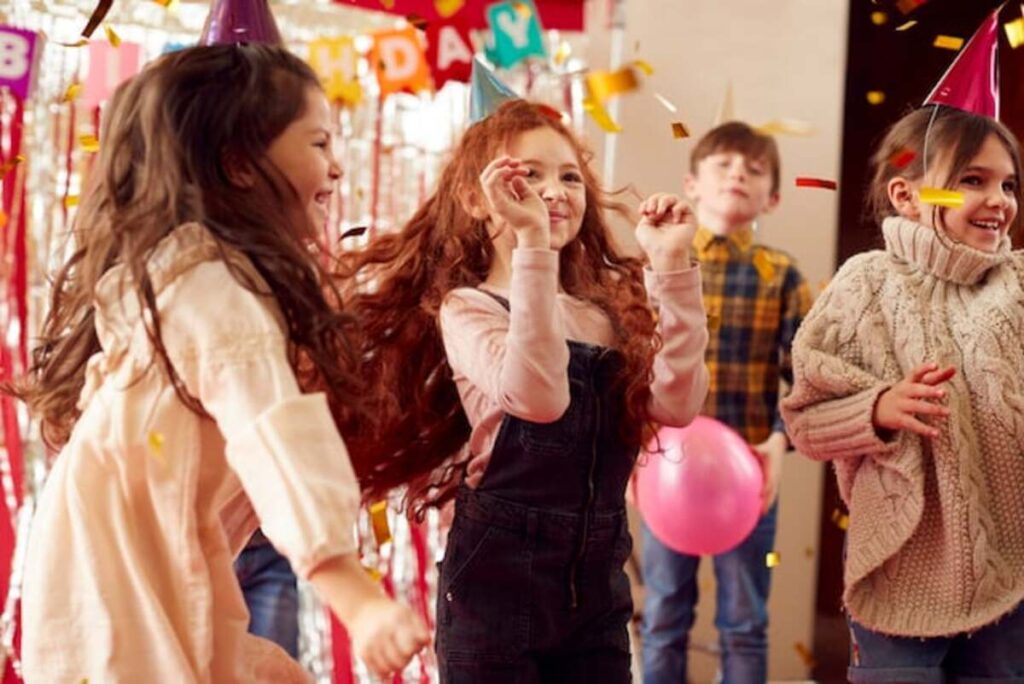
We sometimes forget how acutely children feel these things. A missed invitation may seem trivial to adults. Just a blip. But for a child already on the margins, it can feel like a billboard that reads: You don’t belong. And when that exclusion happens in front of their peers? It’s no longer just about one missed party. It becomes a message, one that other kids might pick up on and repeat.
The mother feared just that. She worried this incident might mark the start of deeper social rejection at school. “I’m afraid M has now shown the other kids that my son should be excluded,” she admitted.
Should schools step in?
Now here’s where the story touches a nerve. Should schools intervene in these sorts of social minefields? Most institutions have rules — official or unwritten — about handing out invitations in class. Some ask that either all children are included or that invitations are delivered privately. It’s about minimising public exclusion, not controlling who your child bonds with.
The mum in question is now considering raising the matter with her son’s headteacher. Not to demand inclusion, but to ask whether clearer boundaries or guidance around party invites might help prevent this sort of thing happening again.
A conversation that matters
Her post quickly went viral, drawing hundreds of comments. Some shared their own childhood memories of being left out. Others offered advice or simply words of solidarity. One response, in particular, stood out: “If I found out my child had excluded just one person like that, I’d cancel the whole party.”
It’s a powerful reminder that we, as adults, have a role to play in shaping how our children treat others — not just in the big moments, but in the small, seemingly insignificant ones too.
Perhaps the real takeaway here isn’t about party invites, but about kindness, and how much it matters. Especially when no one’s looking.
Heartbreaking, yes. But it’s also an invitation — not to a birthday bash, but to do better.