In a world where smartphones buzz constantly and social media keeps us tethered to one another, it’s almost impossible to imagine living entirely off the grid—let alone for decades. Yet that’s exactly what one Russian family did. Hidden deep within Siberia’s vast wilderness, the Lykov family managed to survive for 40 years without electricity, news, or contact with another human soul. Their story reads less like history and more like a haunting, real-life fable about faith, endurance, and the human instinct to adapt.
The Lykov family: a life beyond the world
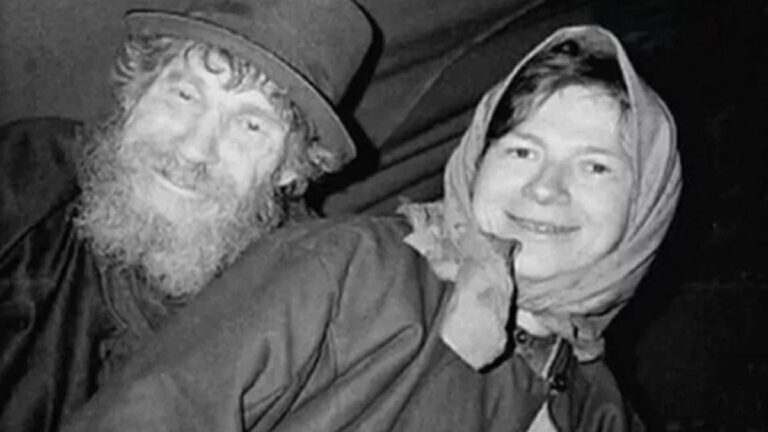
The Lykovs’ story begins in the 1930s, a time when Soviet repression swept through Russia. After his brother was killed by soldiers, Karp Lykov, a devout Old Believer, fled into the Siberian taiga with his wife Akulina and their two young children. Their goal was simple yet unimaginable to most: to live freely, even if it meant vanishing from civilisation altogether.
They travelled hundreds of kilometres into the forest until they found a patch of wilderness to call home. There, amid snow, silence, and the company of wolves and bears, they built a life from nothing. They wove clothes from hemp and bark, grew vegetables in a small garden, and survived harsh winters on berries, potatoes, and whatever they could trap.
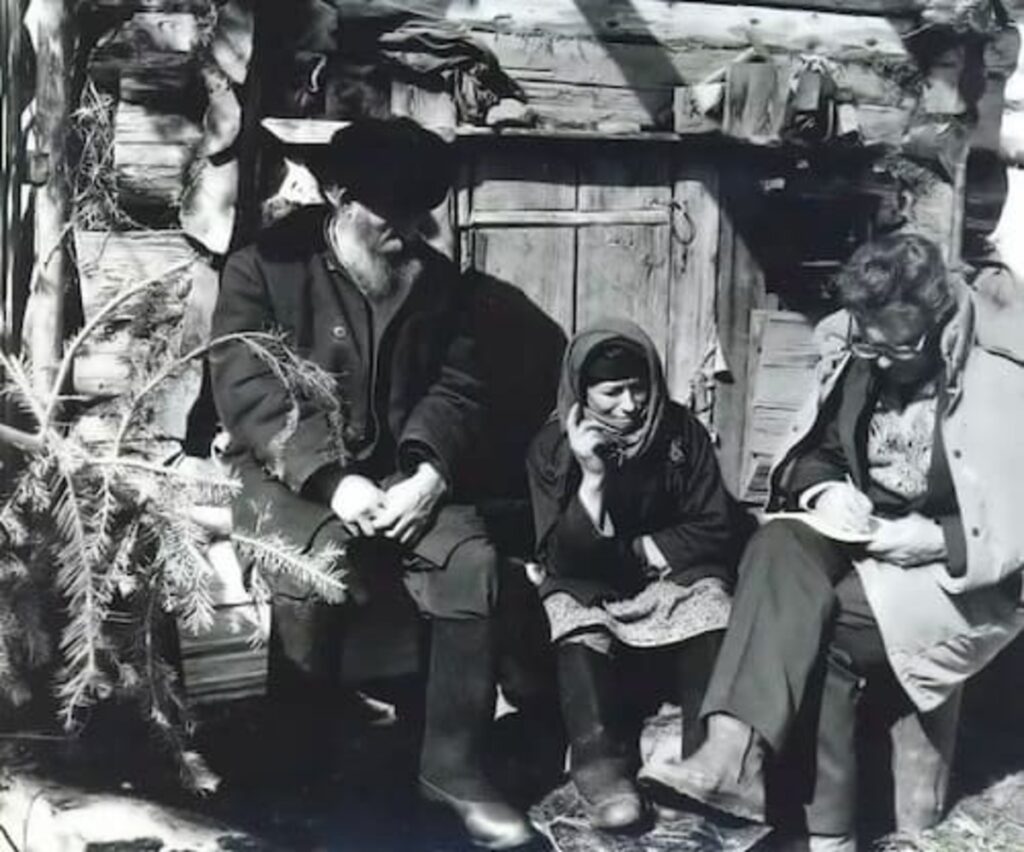
By the time geologists accidentally stumbled upon them in 1978, the family had not seen another human being for more than four decades. Their wooden hut stood as a fragile fortress of survival against one of the planet’s harshest landscapes.
A life stripped down to essentials
When the scientists met the Lykovs, they found a family both fragile and astonishingly strong. The four children—two born before their exile and two after—had never tasted bread or salt, never seen a city, and had no concept of modern inventions. They were unaware of World War II, space travel, or the existence of electricity.
Their mother, Akulina, had died years earlier during a particularly brutal winter, choosing to let her children eat what little food remained. The surviving family continued on through sheer resilience and faith. They followed old religious rituals and found joy in small things—a rare seed sprouting, a clear night sky, a prayer whispered in the dark.
One of the geologists later wrote that meeting the Lykovs felt like stepping back in time: “They were as if frozen in another century, untouched by all that had happened to the rest of humanity.”
The modern world knocks
Despite being offered a return to society, the Lykovs chose to stay where they were. Sadly, the intrusion of the modern world seemed to coincide with tragedy. Within a few years of their rediscovery, three of the siblings died, possibly from exposure to unfamiliar diseases. Karp himself passed away in 1988 at the age of 90.
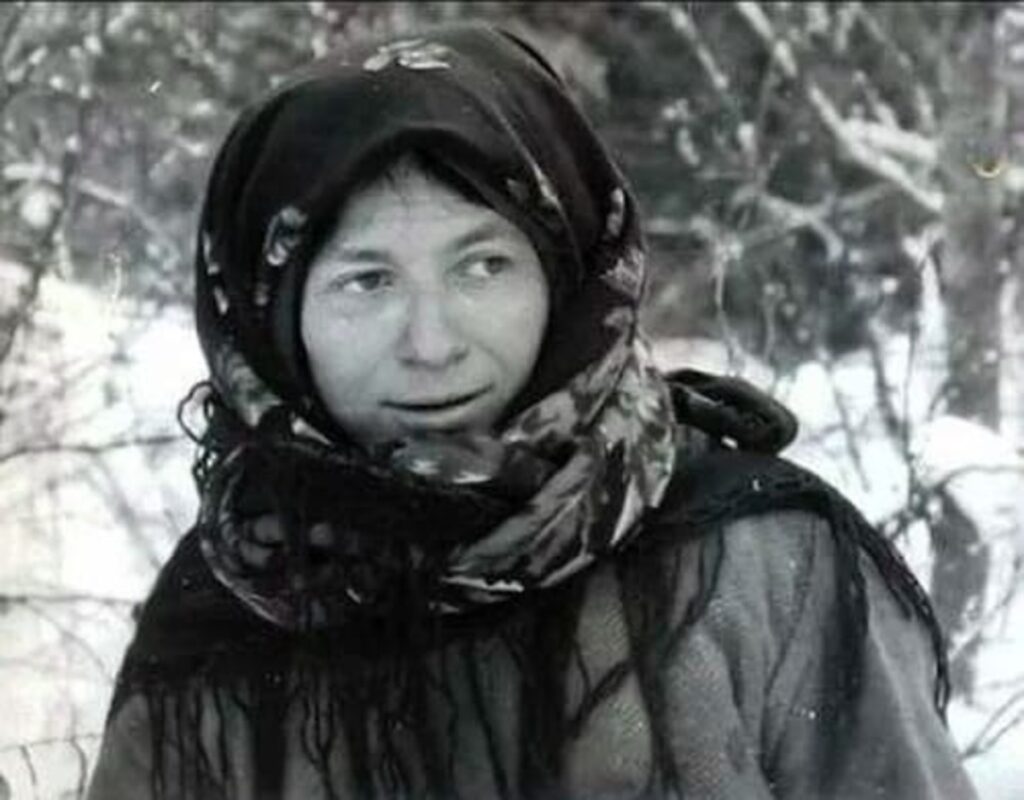
Only Agafia, the youngest daughter, remains alive today. Now in her late eighties, she still lives in the Siberian wilderness, maintaining her parents’ old ways with only minimal help from the outside world. Her modest wooden cabin, surrounded by pine trees and snow, stands as a living monument to a family who truly escaped civilisation.
Lessons from the edge of civilisation
The Lykovs’ story isn’t just one of isolation—it’s about what we gain and lose in the pursuit of simplicity. In an age defined by connectivity and consumption, their life challenges our assumptions about comfort and necessity.
Psychologists say that humans can adapt to almost any condition, provided they find meaning and routine. The Lykovs proved that survival isn’t just physical—it’s emotional, spiritual, and profoundly human.
Their quiet existence, far removed from the noise of the modern world, continues to fascinate those who hear it. Perhaps because, deep down, it reminds us that even in total isolation, people can create purpose, love, and community—one humble day at a time.