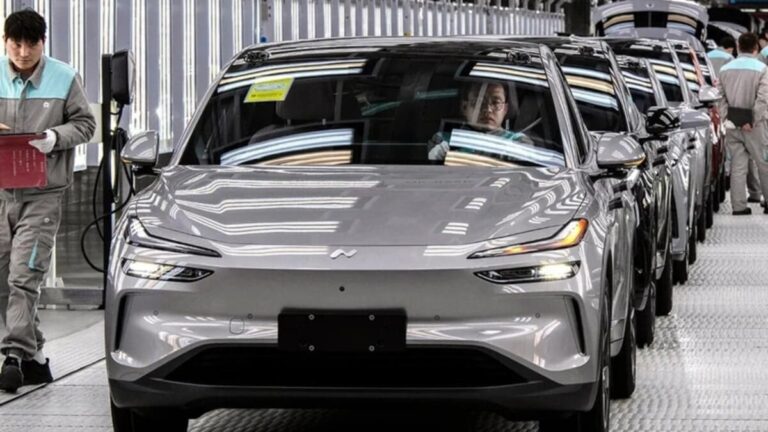
Beijing is tightening the screws on its booming electric vehicle (EV) industry. Starting in 2026, the Chinese government will introduce strict new export rules aimed at improving the reputation of its automakers abroad. The move comes after a surge of complaints over substandard vehicles, missing spare parts, and nonexistent after-sales service—issues that have tarnished the image of “Made in China” cars in several key markets.
China’s reputation shift: from quantity to quality
China’s EV market has grown at an astonishing pace, now accounting for more than half of global electric car sales. Yet this rapid rise has brought growing pains. In recent years, smaller exporters—often unaffiliated with official carmakers—have taken advantage of regulatory loopholes to ship poorly serviced or improperly labelled vehicles abroad.
According to reports, some resellers have been exporting new cars as “used” models, bypassing export restrictions and flooding markets in Africa, Eastern Europe, and South America with cheap but unsupported vehicles. Buyers, left without warranties or access to spare parts, have struggled to maintain these cars. The result? Mounting frustration and a growing perception that Chinese cars are unreliable.
That’s a problem for Beijing, which has spent years investing billions in technology and innovation to make its automotive industry globally competitive. “Just like leading international brands built global trust through quality,” said Wu Songquan, a senior expert at China’s Automotive Technology and Research Center, “Chinese automakers must adopt standardised processes and ensure high-quality exports through independent operations.”
Export licenses: a filter for serious players
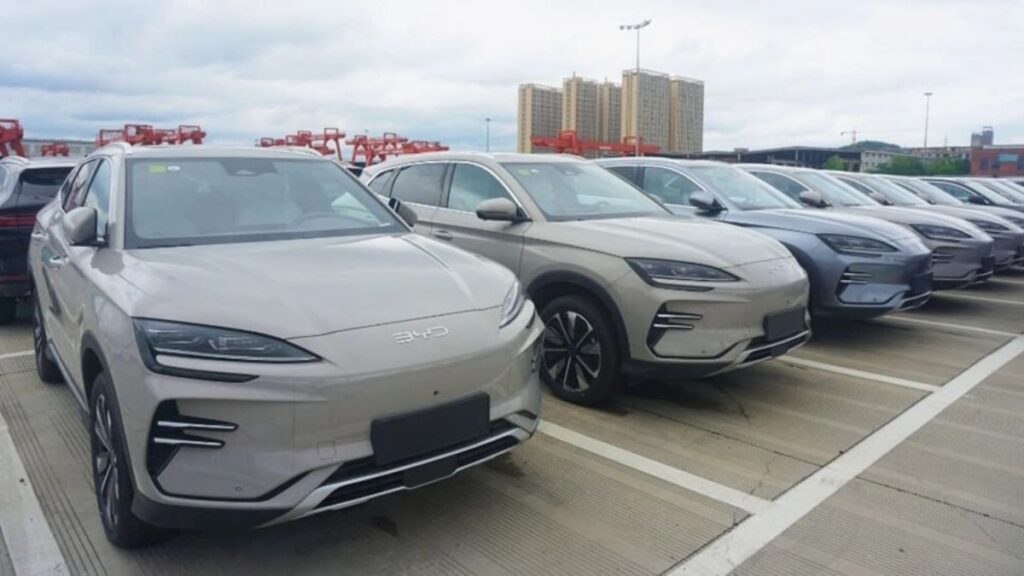
From January 2026, China will require all EV exporters to obtain official licenses—a measure already in place for traditional petrol and hybrid cars. Only registered manufacturers and authorised partners will be able to sell vehicles outside the country.
The goal is simple: to eliminate unregulated middlemen who have turned China’s export market into what officials describe as a “Wild West.” These intermediaries have been accused of undercutting official manufacturers by slashing prices, forcing legitimate automakers to compete on cost instead of quality. The new system will reintroduce control, accountability, and transparency—key ingredients for rebuilding trust.
For China, this isn’t just about discipline; it’s about long-term strategy. By filtering out rogue exporters, the government hopes to push domestic carmakers to focus on reliability and durability—values traditionally associated with brands like Toyota, Volkswagen, or Hyundai.
Building global confidence in “Made in China” cars
China’s EV industry has come a long way. Giants like BYD, Geely, and SAIC are now exporting cars that rival European and Japanese models in design and performance. But the challenge has been perception. In Europe and North America, Chinese vehicles have often been viewed as cheap alternatives rather than trustworthy contenders.
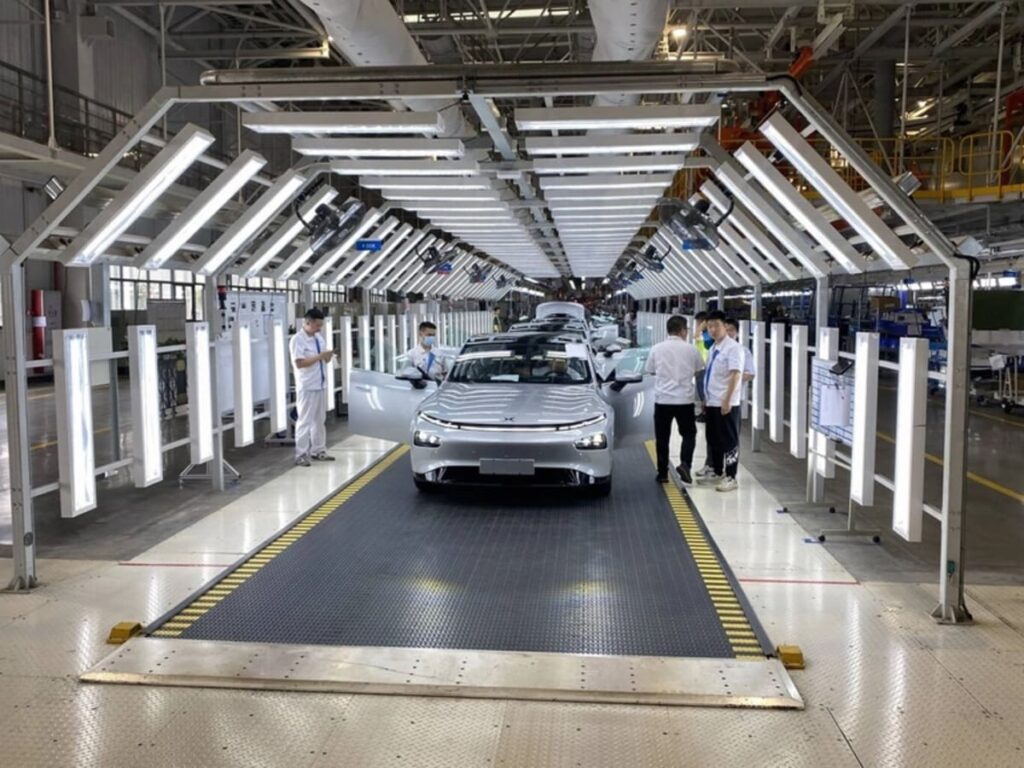
By prioritising quality over volume, Beijing aims to change that narrative. Industry analysts see this as a necessary step if Chinese automakers want to compete in premium markets and not just emerging ones. “It’s a sign of maturity,” noted Mark Andrews, an automotive consultant based in Shanghai. “You can’t dominate the global market if people don’t trust your brand.”
Betting on reliability amid global headwinds
Even as trade tensions rise and import tariffs loom in Western markets, China’s ambitions remain clear. Officials believe that EV exports will continue to be a powerful growth engine—provided they are built on consistency and credibility.
For now, the message from Beijing is firm: the era of quick profits and careless exports is over. The future belongs to those who can deliver not just affordable innovation, but dependable engineering.
In other words, China isn’t slowing down its car revolution—it’s just learning to drive it better.