For many retirees, the dream of a peaceful future rests on the home they spent a lifetime building. But when that home is suddenly seized by intruders, the fallout reaches far beyond lost property. It disrupts routines, drains savings and leaves people navigating a maze of procedures they never imagined facing. This is exactly what happened to Alain and Martine Guérini – and the chain of events that followed is as alarming as it is revealing.
An intrusion that derailed a fragile retirement plan
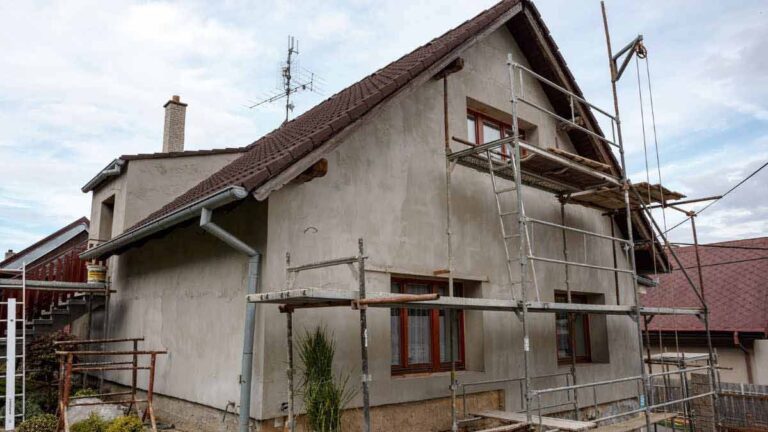
The couple had been renovating their house in Villeparisis since 2021, preparing to sell part of it to secure a more stable retirement income. Everything was planned: savings invested, timelines set, contractors booked. But in May 2024, while they were away, strangers forced their way in.
At first, the signs were subtle – unusual noises, lights that didn’t make sense – until neighbours raised the alarm a month later. What they discovered was not a simple break in but a systematic occupation. Tools were moved, areas of the site were being used as makeshift living quarters and personal belongings confirmed the intruders had settled in with worrying confidence.
By June, the situation escalated. The trespassers transferred the electricity account to their own names, then, astonishingly, advertised part of the unfinished home as a holiday rental. The timeline reads like something out of a dark comedy: break in, take over, then try to make money from it. But for the Guérinis, it was a distressing blow to an already delicate financial plan.
A legal nightmare for vulnerable retirees
The couple filed their first police report on 7 June 2024. When nothing changed, they filed another two weeks later. Authorities eventually issued a formal eviction notice, giving the occupants until 18 July to leave. They ignored it.
It wasn’t until 5 August that an eviction took place, requiring around twenty personnel – gendarmes, municipal officers and private security. Several individuals were arrested on site, some under the influence of substances. The property was finally returned, but not without emotional, financial and physical cost.
Legally, the main perpetrator faces up to three years in prison and a 45,000 euro fine, penalties intended to deter unlawful occupation. Organisations that work with vulnerable adults, such as Age UK, often stress that the emotional toll of such cases can be just as damaging as the financial loss. And for retirees like the Guérinis, months spent fighting for their own home is time – and energy – they will never get back.
Where the system still falls short
The damage extended well beyond the intrusion itself. A motorbike had disappeared, parts of the home were left in disrepair, and the planned sale was pushed back indefinitely. Renovations had to pause while procedures crawled forward, each delay pushing their financial stability further out of reach.
It took more than two months to remove people from a clearly uninhabited, under construction property. The gap between the law and its enforcement left room for intruders to exploit bureaucratic grey zones, using time itself as a weapon. Meanwhile, the homeowners’ rights were upheld only after weeks of waiting.
Cases like this are not isolated. Housing advocates and legal experts have been calling for clearer, faster procedures that protect property owners from protracted battles. The challenge for law enforcement is striking a balance: respecting fundamental rights while ensuring that unlawful occupation is not rewarded by slow administrative processes.
Towards protection that actually protects
The Guérini case highlights a cruel irony: even when the law is on a retiree’s side, the path back to normality can be painfully slow. Sanctions might exist on paper, but real protection comes from swift, clear action – something older people especially rely on when their financial independence is tied to a single property.
For Alain and Martine, every week of delay meant postponed plans, extra costs and mounting stress. Their story illustrates what many professionals in the sector warn about: that an ageing population needs not only legal safeguards but procedures that are practical, efficient and genuinely protective.
In their case, the home was eventually recovered. But the deeper question remains: how can a system designed to protect citizens ensure that the most vulnerable are not the ones paying the highest price?