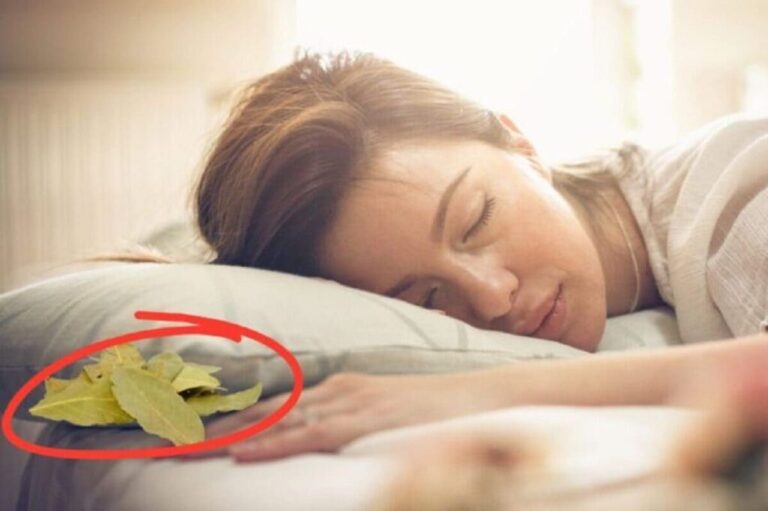
Strange sleep hacks circulate online all the time, but every so often one stands out because it blends tradition, nature, and just a bit of mystery. Lately, more and more people are slipping bay leaves under their pillows — not for flavor, but for better sleep. It’s an old remedy making a big comeback, and as someone who has tried every herbal sleep trick in the book, I can say: this one is surprisingly intriguing.
The Bay Leaf Makes an Unexpected Bedtime Comeback
Most of us know bay leaves as the quiet heroes of soups and stews, lending their earthy aroma to long-simmering dishes. But beyond the kitchen, this modest leaf has a long history in folk medicine, where it was believed to calm the mind and promote relaxation. Now, it’s resurfacing as a modern sleep aid — proof that sometimes the simplest remedies endure for good reason.
A Natural Soother With Sleep-Friendly Benefits
On nights when your brain feels like a playlist stuck on “repeat,” a bay leaf might actually help. The leaf naturally contains compounds linked to reduced stress, lower heart rate, and milder sedative effects, according to herbal medicine practitioners.
It’s not a substitute for professional treatment of sleep disorders, but for mild restlessness, many people say it helps them drift off more easily — without the grogginess of medication.
How to Turn Your Pillow Into a Bay-Leaf Sanctuary
Using bay leaves for sleep is refreshingly simple:
- Choose dried bay leaves (fresh ones need about ten days of air-drying).
- Slip one or two leaves under your pillowcase.
- Optional bonus: sip a warm bay leaf tea before bed for a double dose of calm.
Think of it as a small ritual that signals to your mind that it’s time to unwind — much like dimming the lights or switching off screens.
One Important Warning: Don’t Mix Up Your Leaves
Not all “laurel” plants are safe. Be absolutely certain you’re using bay laurel (Laurus nobilis) — the culinary kind with broad, deep green leaves.
Avoid oleander (Nerium oleander) at all costs; it has long, narrow leaves and is highly toxic. When in doubt, buy culinary bay leaves from a reputable store.
More Than a Sleep Hack: A Surprisingly Versatile Leaf
If you already keep bay leaves in your spice drawer, you may know they’re useful far beyond cooking. They can reduce the need for added salt in recipes, and their essential oils naturally repel moths — another reason some people tuck them into drawers or closets.
So in a sense, adding a leaf to your pillow is just extending its résumé.
The Verdict: A Simple Ritual With Soothing Potential
If you’re curious about natural sleep aids, this is an easy and inexpensive one to try. Bay leaves won’t perform miracles, but their relaxing scent and traditional use make them a gentle companion for bedtime.
And if it works for you, don’t keep the secret — some of the best remedies are the ones passed quietly from one person to another, just like a comforting song you recommend to a friend.
Sweet dreams — and may your pillow smell faintly of the forest.