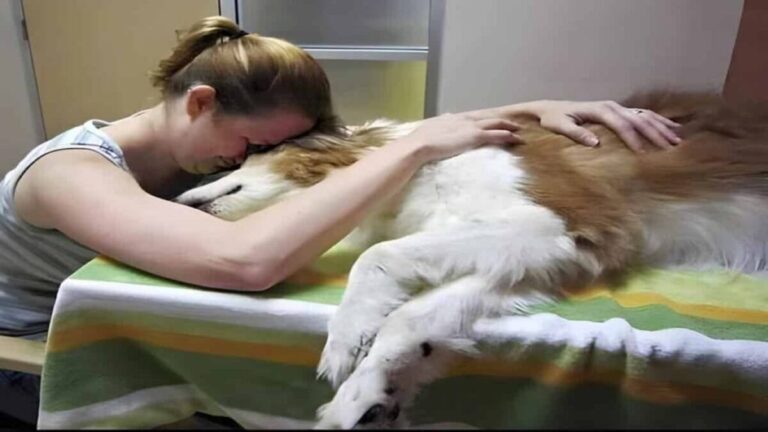
Losing a pet is one of those heartbreaks that leaves a quiet ache behind. Anyone who has shared their home with a dog or cat knows how deeply they weave themselves into the rhythms of our lives. When their final days arrive, we often feel torn between love and fear, unsure of what they truly need from us. According to several experienced veterinarians, the answer is far simpler – and far more human – than many expect.
The painful truth for those who work with animals
When a young man recently asked a veterinarian what the hardest part of the job was, the reply stopped thousands in their tracks. What hurts the most, the vet explained, is watching elderly or terminally ill pets searching the room for their owners as they slip away.
Many veterinary professionals have echoed the same sentiment. The British Veterinary Association notes that end-of-life care is emotionally demanding, not only for families but for vets who often become the last comforting presence an animal sees. What surprises many is the estimate shared by practitioners: around nine in ten pet owners choose not to stay with their animals during euthanasia, often because they fear the emotional toll.
For the pets, however, those final moments feel very different.
Why being present matters more than you think
To our animals, we are their constant – the centre of their small universe. They follow us from room to room, sleep at our feet, learn our routines, and wait for us to come home. For them, the world is built around a familiar scent, a known voice, a trusted touch.
When my family’s old Labrador, Charlie, began to decline, every instinct in me wanted to look away from what was coming. Yet when the day arrived, sitting beside him felt strangely natural. He laid his head on my knee with a heavy sigh – the kind he used to make after a long walk – and in that moment, I realised he wasn’t afraid. He simply wanted us there.
Veterinary nurses often say the same. A gentle word, a familiar presence, a warm hand resting on fur – these simple things ease the passing more than we imagine.
A plea from those who see it every day
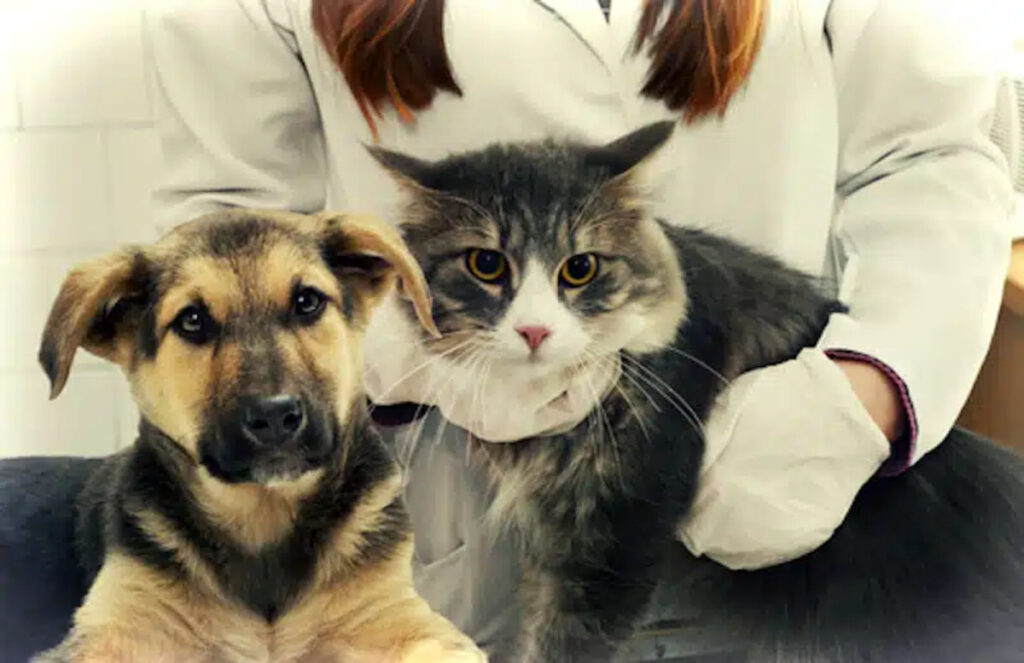
Vets describe how distressing it is to watch a pet scan the room, bewildered by the absence of the person they trust most. Although veterinary teams do everything they can – speaking softly, offering treats, staying close – they are still strangers in an unfamiliar place.
One vet put it plainly: animals do not fear death in the way humans do. What frightens them is separation. Staying with them, even when your heart is breaking, is the last and greatest act of loyalty you can offer.
Offering comfort when it matters most
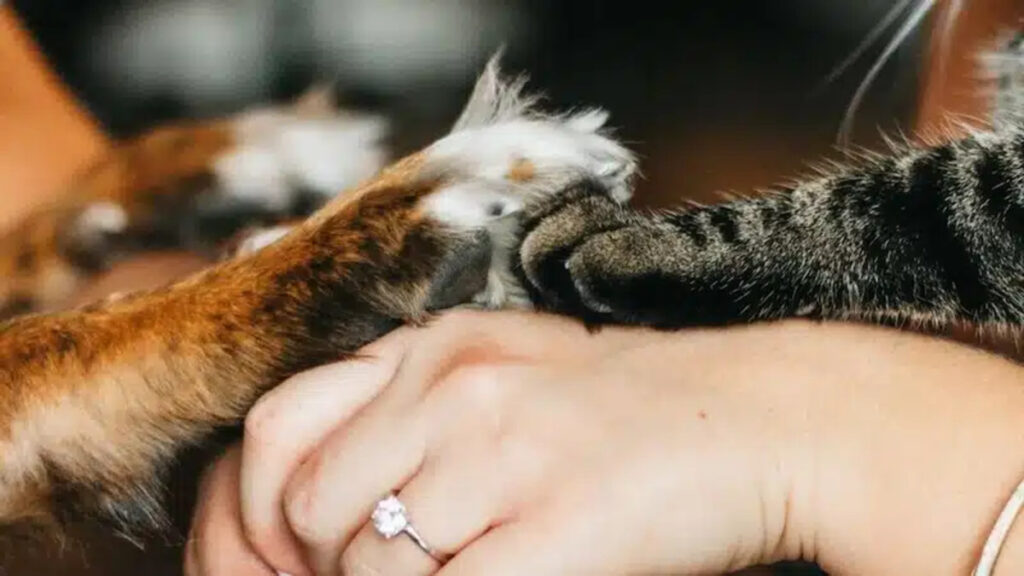
Saying goodbye is never easy. Yet the comfort you give in those final moments is something your pet feels deeply. Holding them, stroking their head, or simply sitting nearby can ease their anxiety. The RSPCA reminds pet owners that reducing stress at the end of life is a key part of compassionate care, and nothing reduces stress more effectively than a familiar human presence.
It may be painful for us, but it brings peace to them. And peace is the one thing every dog and cat deserves as they drift away.
After loss, offering love again
Grief can leave a hollow space in a home, but opening your heart to another animal can be a healing step. Many shelters are full of dogs and cats waiting for someone to give them the kind of love you once gave your pet. Saving one of them is not replacing the friend you lost – it is honouring them.
Our animals ask for very little in life, and even less at the end. Their final wish is simple: that the person they loved stays close. Holding their paw, whispering their name, being there when they take that last quiet breath.
And for everything they gave us, it is a wish worth granting.