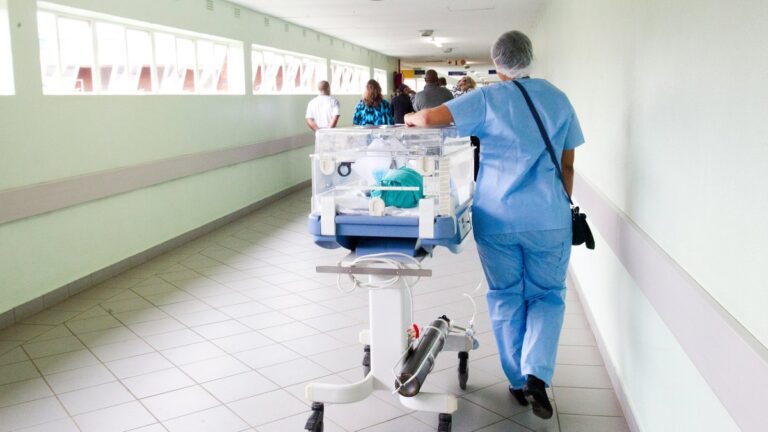
For most parents, a letter from the authorities means routine admin. For Mar, a single mother in Catalonia, it arrived like a stone dropped into water that was already far from calm. After nine years spent fighting alongside her son through hospital corridors, treatment schedules and endless medical bills, she suddenly discovered that the support meant to help them through had been labelled “unduly received”. And worse still, the debt had been assigned to her 14-year-old son.
A battle that should have ended
Sergi has spent more of his childhood under fluorescent hospital lights than on playgrounds. Diagnosed with leukaemia at just five, he endured nearly a decade of chemotherapy, tests and the exhausting cycle that every family facing cancer knows too well. Against the odds, the illness finally loosened its grip.
But relief was short-lived. One morning, a registered letter arrived demanding €5,000 in repayments for social aid that, according to the authorities, should never have been granted. The envelope bore Sergi’s name.
For Mar, who had raised her son alone while juggling the financial strain of supplements, travel to hospital appointments, car park fees and the countless hidden costs not covered by Spain’s public healthcare system, the shock was immediate. Back in 2016, a social worker had guided her toward a monthly allowance of €263 – a lifeline at a time when every euro counted.
An administrative tangle years in the making
What Mar did not know is that her case was far from isolated. At the tax office, staff explained that the debt had been accumulating quietly for years – made worse by the fact that official notices were being sent to the wrong address. Because no one had responded, late-payment interest had piled up.
And the most alarming part? Unless the situation was resolved, the debt would be transferred directly to Sergi when he turned 18. As one official put it, “Once he gets his first job, his wages could be seized.” Hearing this, Mar turned to the Síndic de Greuges, Catalonia’s equivalent of the ombudsman.
There, she learned that more than 60 families were facing the same nightmare. The reason: an error dating back more than a decade.
The reform that never reached the real world
In 2012, the region updated the calculation system for social assistance. On paper, it was a straightforward reform. In practice, it was never properly applied. Families continued receiving the old amounts without being told they were no longer eligible for them.
The result today is staggering: households suddenly receiving refund demands ranging from a few thousand euros to €25,000. For families already living with medical burdens, disabilities or financial precarity, the shock has been immense.
The Síndic de Greuges called the situation “unacceptable”, urging the Catalan government to cancel the debts entirely.
A long fight ends in relief
After months of complaints and public outcry, the Generalitat finally took action. On 30 September, the government published a decree stating that the so-called “undue payments” would no longer be reclaimed. For families like Mar and Sergi, it marked the end of a battle they never should have had to fight.
Their story is a stark reminder of how administrative errors can deepen the struggles of those already carrying heavy loads. But it is also a testament to collective pressure and the importance of watchdog institutions that protect citizens when the system falters.
For Sergi, the hope now is simple: to enjoy the teenage years he missed – without debts hanging over his future.