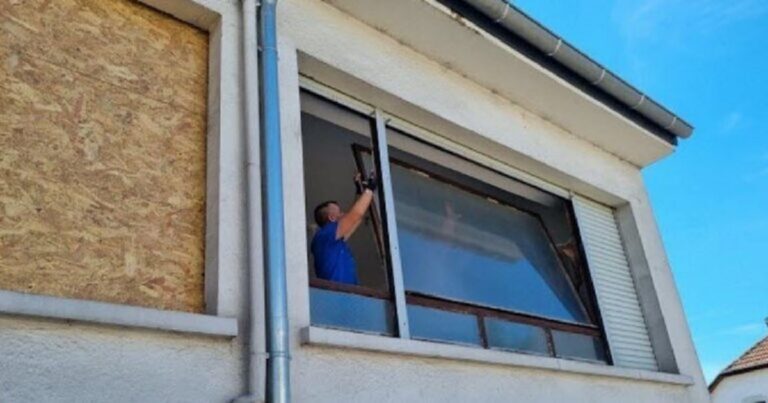
Landlords and tenants don’t always see eye to eye — anyone who has ever rented, or rented out, a home knows that tensions can flare quickly when money, repairs, and responsibility collide. But a recent incident in eastern France shows just how dramatically things can escalate when frustration replaces dialogue. What happened in this quiet town is both astonishing and a stark reminder of how crucial it is to respect the law before taking action.
An Extreme Act Born Out of Years of Frustration
In the town of Forbach, a landlord pushed beyond his limits after years of unpaid rent and unresolved disputes. Instead of pursuing traditional legal channels, he opted for a drastic measure: he removed nearly all the windows from his rental property. In July, he stripped the apartment of every window except one — the only one in the room still occupied by the tenant.
It wasn’t an eviction, at least not formally. But the effect was immediate: the apartment became unlivable. Cold air, rain, and noise poured in, turning everyday life into an ordeal. It was a radical, eyebrow-raising response to a long-standing conflict that had festered without resolution.
A Tenant With His Own Grievances
The tenant, however, tells a very different story. Supported by a local housing-rights association, he argues that the landlord had failed to uphold his own responsibilities: a leaking roof, broken heating, and essential repairs that were promised but never delivered.
“We’re not irresponsible tenants,” the association’s vice president insisted. According to them, they had already begun a legal process to have a judge intervene — suggesting that the landlord’s drastic action was not only unwarranted but also retaliatory.
What emerges is not a simple case of rent delinquency, but a bilateral conflict, where each party accuses the other of breaching their contractual obligations.
The Legal Consequences of Taking Justice Into Your Own Hands
As dramatic as the landlord’s tactics were, they also highlight a key issue: the law leaves no room for self-help eviction. Maria Rossi, a specialist in French property law, warns that such unilateral actions expose landlords to serious repercussions, including fines, civil damages, and even criminal charges.
Under French law, even when rent arrears pile up, landlords must follow strict procedures for eviction — procedures that often take months, sometimes years. That delay, however frustrating, does not allow for shortcuts like dismantling windows or shutting off utilities. These measures can be legally classified as “harassment” or “illegal eviction.”
In other words: the landlord may have intended to force a solution, but he may very well end up facing one himself — in court.
When Financial Pressure Pushes Landlords Over the Edge
The Forbach incident also shines a light on a less-discussed reality: small landlords often operate on tight budgets. When rent stops coming in, mortgage payments, maintenance costs, insurance, and taxes don’t. That financial pressure can quickly turn into anger and, in some cases, deeply misguided decisions.
For this particular landlord, years of lost income appear to have built up to a breaking point — one that ultimately pushed him into an illegal, costly, and counterproductive reaction.
Better Solutions Before Conflict Spirals
Housing experts insist that extreme measures like these are avoidable when proper tools and communication strategies are used. Giuseppe Verdi, a real estate consultant, outlines several healthier paths:
- Professional mediation to rebuild dialogue and find compromise
- Clear, detailed contracts outlining repair responsibilities and obligations
- Legal support to ensure each side understands its rights
- Flexible payment plans to help tenants overcome temporary financial setbacks
These approaches don’t eliminate tension, but they prevent it from boiling over into destructive retaliation.
When Rights Are Respected, Everyone Wins
The Forbach case serves as a vivid reminder of how fragile landlord-tenant relationships can be — and how disastrous the fallout becomes when one side takes matters into their own hands. Respecting legal procedures, communicating early, and seeking support aren’t just bureaucratic niceties; they’re essential protections for both parties.
For landlords, acting within the law prevents costly counterattacks. For tenants, transparency and cooperation build trust and open the door to sustainable solutions. In the end, it’s responsibility — not revenge — that keeps roofs over heads and conflicts out of court.