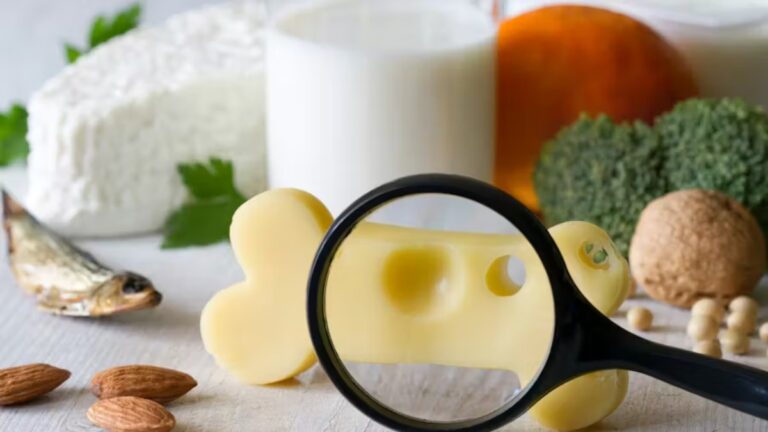
We often hear plenty about what we should be eating to keep our bones strong – calcium rich foods, vitamin D, the usual suspects. But far fewer conversations focus on what might quietly undermine all that effort. With osteoporosis affecting millions and becoming increasingly common with age, understanding how certain foods influence bone health is more important than ever.
Why the calcium–phosphorus balance matters
Calcium is the cornerstone of bone strength. Around 98% of the body’s calcium reserve is stored in our bones, forming a permanent supply that the body taps into for essential functions such as muscle contraction, blood clotting and nerve signalling. When dietary intake isn’t sufficient, the body draws calcium from the skeleton – gradually weakening it over time.
But calcium doesn’t work alone. Phosphorus plays a key role in forming hydroxyapatite, the mineral structure that gives bones their rigidity. For these two minerals to work together, their ratio must stay balanced – ideally 1 to 1, according to many nutrition specialists. Too much phosphorus forces the body to compensate by releasing calcium from the bones, an imbalance seen increasingly in modern diets.
Foods that may weaken bones
Certain nutrients and ingredients can interfere with the absorption or retention of calcium. They’re not forbidden, but they do require attention if you’re trying to protect fragile bones.
Salt
Excess salt encourages calcium loss through urine. The World Health Organization recommends limiting sodium intake partly for this reason. Reducing processed meals, cured meats and heavily salted cheeses can help keep calcium where it belongs – in your bones.
Phosphate rich fizzy drinks
Cola style soft drinks contain added phosphates, which disrupt the calcium–phosphorus balance. Occasional consumption isn’t a problem, but frequent intake may make it harder for the body to maintain bone density.
Alcohol
Alcohol can interfere with the formation of osteoblasts, the cells responsible for building bone tissue. Excessive drinking accelerates bone loss, especially in older adults.
Too much caffeine
Caffeine may increase urinary calcium losses. While there’s no need to give up coffee entirely, keeping it to three cups a day or fewer is wise for bone health, particularly for women over 50.
Phytates and oxalates
These naturally occurring compounds can bind to calcium in the gut and reduce absorption.
Phytates are found in: whole grains, legumes, nuts, seeds
Oxalates appear in: spinach, rhubarb, beetroot, cocoa, black tea, almonds
These foods remain nutritionally valuable – rich in fibre, vitamins and minerals – so they shouldn’t be eliminated. Instead, dietitians often advise spacing them out from calcium rich meals to keep absorption optimal.
Are dairy products still essential?
Dairy remains one of the richest, most absorbable sources of calcium, with around 30–35% of its calcium absorbed by the body. But vitamin D is crucial for ensuring that calcium actually binds to bones. The NHS recommends vitamin D supplementation during the darker months for most adults, as sunlight exposure is often insufficient.
Fortified dairy products can be particularly helpful, especially for older adults, menopausal women or anyone with increased calcium needs.
Don’t forget calcium rich mineral waters
Mineral waters containing more than 150 mg of calcium per litre can significantly contribute to daily requirements. Some of the highest include:
• Hépar – 550 mg/L
• Courmayeur – 570 mg/L
• Contrex – 460 mg/L
Calcium from these waters is absorbed as effectively as that from dairy, making them ideal for people who avoid lactose or follow a vegan diet. Half a litre per day can cover roughly 25–30% of an adult’s daily needs.
The overlooked “natural remedy”: movement
Bone is living tissue. It adapts, grows and strengthens in response to pressure. Weight bearing exercises – brisk walking, dancing, stair climbing, hiking, energetic gym sessions – stimulate osteoblasts far more effectively than low impact activities like swimming or cycling.
The ideal routine? Around 30 minutes of dynamic, moderate impact activity three to five times a week, combined with a balanced diet rich in calcium and vitamin D.
The takeaway
Supporting bone health isn’t just about adding calcium to your plate; it’s about understanding how different foods influence your body’s ability to use it. With a few simple adjustments – moderating salt, caffeine and phosphate heavy drinks, spacing out certain plant foods, staying active – you can strengthen your bones and reduce the risk of osteoporosis later in life.
Your skeleton works hard for you. A little care in return goes a long way.