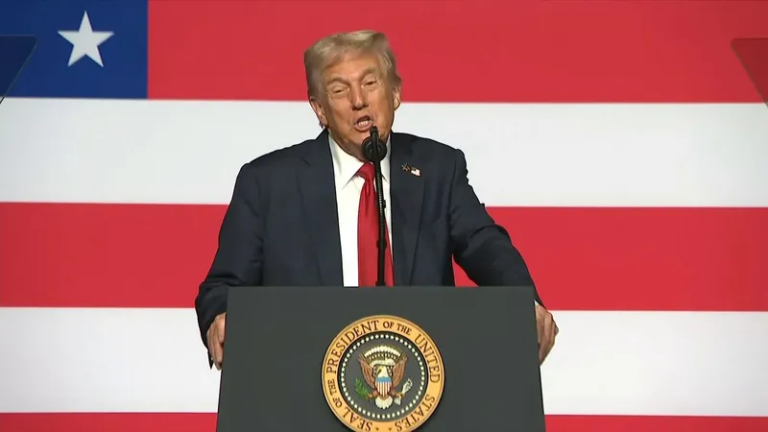
In the United States, debates around immigration are rarely quiet, but a new flashpoint has stirred an unusual mix of legal, ethical and technological concern. Under a policy pushed forward during Donald Trump’s administration, visa holders risked losing their legal status over comments or interactions posted online. Civil liberties groups argue that this blend of surveillance and interpretation not only widens the government’s reach but also threatens the very notion of free expression. As digital scrutiny intensifies, the fight over what constitutes a “dangerous” post has moved squarely into the courts.
A policy that alarmed rights advocates
The controversy erupted when immigration authorities expanded their monitoring of social media profiles using AI driven analysis. Under the policy, remarks or posts interpreted as support for designated extremist groups could lead to the cancellation of a visa. The definition of “support” was wide enough to include ambiguous interactions, prompting fears of misinterpretation.
Civil liberties organisations were quick to respond. The Electronic Frontier Foundation, one of the most vocal opponents, filed a lawsuit arguing that the approach infringed on freedom of expression for citizens and non citizens alike. According to the group, the threat of being monitored so closely has already discouraged immigrants from speaking openly online. Several plaintiffs reportedly avoid commenting on political or sensitive topics altogether, worried their words might be misread by an algorithm rather than a person.
The risks of algorithmic policing
What unsettles many experts is the scale and opacity of the surveillance. Posts are scanned for language or imagery that AI systems flag as suspicious, potentially linking individuals to extremist movements. The problem, civil rights advocates argue, is that these determinations can be sweeping and subjective. Former president Trump’s decision to label movements like Antifa as domestic terrorist organisations widened the range of content that could be deemed problematic.
Groups such as the American Civil Liberties Union have warned that algorithmic tools can misinterpret satire, criticism or simple political discussion. When visa status hangs in the balance, the stakes are high. As one rights advocate noted, the mere possibility of punishment creates a chilling effect, discouraging speech long before any official action is taken.
A widening net of digital monitoring
The dispute comes amid broader tensions over the reach of immigration enforcement. In recent cases, major tech companies have complied with government requests to curb tools that help people track immigration agents. Meta removed a Facebook page used for this purpose, while Apple and Google blocked downloads of popular apps offering similar alerts. Although these companies cited security concerns, the moves intensified fears that digital tools once used to navigate risky environments are disappearing.
At the same time, immigration authorities have proposed assembling a round the clock team dedicated to extracting usable intelligence from public social media posts. According to planning documents, dozens of private contractors would comb through photos, videos and messages across platforms including TikTok, YouTube and Instagram. For critics, this raises questions about how far the government can go in transforming public digital footprints into investigative leads.
Why civil rights groups won’t let this go
The heart of the legal challenge lies in protecting fundamental freedoms. Organisations involved in the lawsuit stress that online surveillance of this scale does not stay neatly confined to immigration cases. Family members, friends and entire communities can be drawn into scrutiny simply through digital association.
The United Nations Human Rights Council has repeatedly warned governments about the dangers of overbroad surveillance, noting that privacy and free expression are essential pillars of democratic societies. Opponents of the policy argue that once speech is monitored with the possibility of removal or punishment, it is no longer truly free.
For now, the courts will determine whether the government can continue interpreting social media activity as grounds for deportation. But the broader debate is unlikely to fade. As long as algorithms sit between individuals and their rights, civil liberties groups say, the line between public safety and overreach must be watched with relentless care.