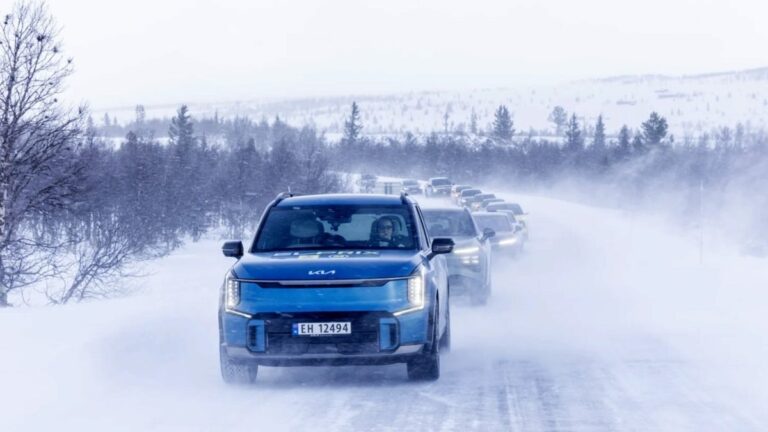
While much of the world struggles to boost electric vehicle sales, one frosty nation has gone in the opposite direction—so far, in fact, that petrol cars have almost disappeared from its roads altogether.
Norway’s stunning milestone
In September 2025, Norway reached a milestone that most countries can only dream of: 98.3% of all new cars registered were fully electric. That means nearly every new vehicle hitting Norwegian roads now produces zero emissions. Over the first nine months of the year, the share of electric cars stood at an astonishing 95%, putting the country on track to meet its target of phasing out new petrol and diesel cars by 2025.
It’s a remarkable feat, especially in a country where winter temperatures can plummet well below freezing – conditions that typically sap battery performance and make EV ownership less appealing. Yet Norwegians seem unfazed. Their success is no accident, but the result of a carefully designed mix of incentives and infrastructure, built over three decades.
The carrot and the stick
Norway’s formula for success is simple: make fossil fuel cars prohibitively expensive, and make electric cars irresistibly affordable.
Traditional petrol and diesel vehicles face heavy import taxes and high purchase costs, while electric cars enjoy generous exemptions. For years, EV buyers paid no VAT (25% in Norway) and no import duties, a policy that has since been slightly scaled back but remains highly advantageous. Even company car fleets and leasing firms receive tax breaks for choosing electric.
Cecilie Knibe Kroglund, Secretary of State for Transport, summed up the approach neatly: “It’s the stick for fossil fuels and the carrot for electric vehicles.”
For a long time, EV drivers also enjoyed free tolls, reduced ferry fares, and access to bus lanes in congested cities – perks that helped normalise the switch. While some of these benefits have since been phased out, they created the momentum that carried the market to near total domination.
Another key advantage? Norway has no domestic car industry to protect. Without pressure from manufacturers or unions, the government could move quickly and decisively toward electrification without worrying about factory closures or job losses.
Powering up the north
One of the most impressive aspects of Norway’s EV revolution is how it overcame its geography. With long distances between towns and freezing winters, range anxiety could have been a major barrier. Instead, Norway built one of the densest charging networks in the world, ensuring that drivers are rarely more than a few kilometres from a plug.
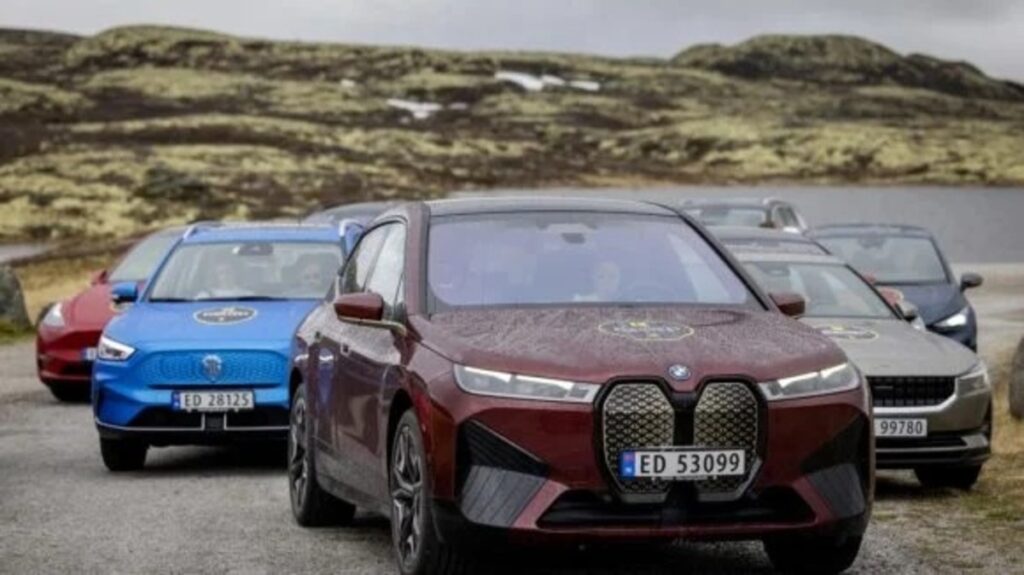
Many EVs sold in Norway feature thermal battery management systems, allowing them to preheat before charging and maintain range even in sub-zero temperatures. The Norwegian Automobile Federation (NAF) conducts public, real-world range tests each winter, comparing actual performance to manufacturers’ promises. These transparent results, shared internationally, have boosted consumer confidence and pushed carmakers to improve battery efficiency.
A model that works
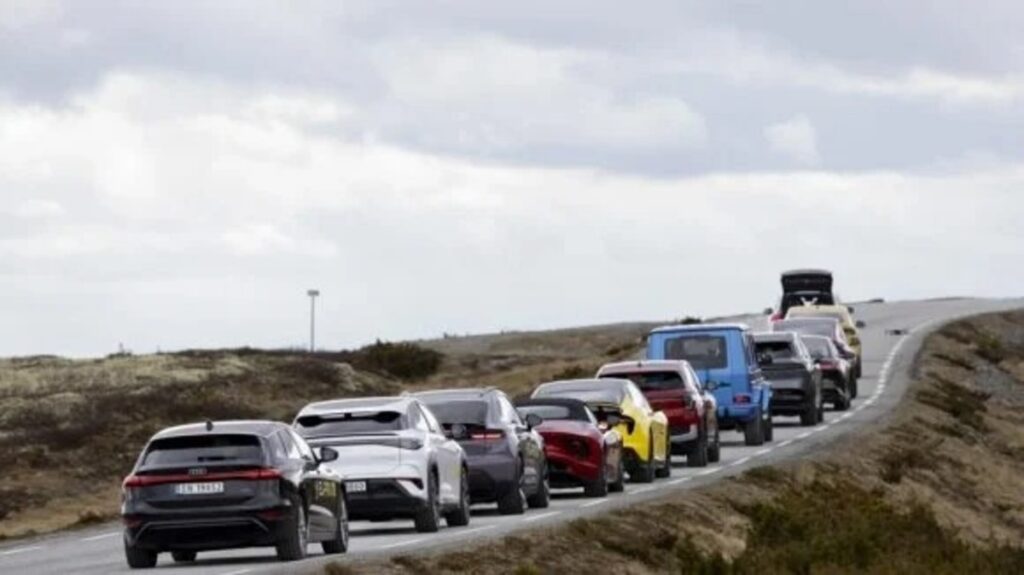
The results speak for themselves. EV registrations rose by over 10% year-on-year in September, with more than 113,000 new cars sold in the first nine months of 2025—a 23.5% increase compared with the previous year.
And the best-seller? No surprise there: Tesla’s Model Y, which accounted for nearly a third of all new registrations that month, selling over 4,000 units. For perspective, that’s more than triple the number of Model Ys sold in some much larger European markets.
Lessons for the rest of the world
While many governments are watching Norway with admiration (and a touch of envy), replicating its success isn’t as easy as it sounds. The country’s small population, high income levels and strong public trust in government make its model hard to copy wholesale.
Still, Norway offers a powerful example of what can happen when policy, infrastructure and public will align. As BloombergNEF recently noted, “Norway has done more than any other country to prove that a full transition to electric mobility is not just possible—it’s inevitable.”
And while electric car sales may have “vanished” in Norway in the best possible sense, the real story is about what’s replaced them: a cleaner, smarter, and quieter way of getting around that the rest of the world is now racing to follow.