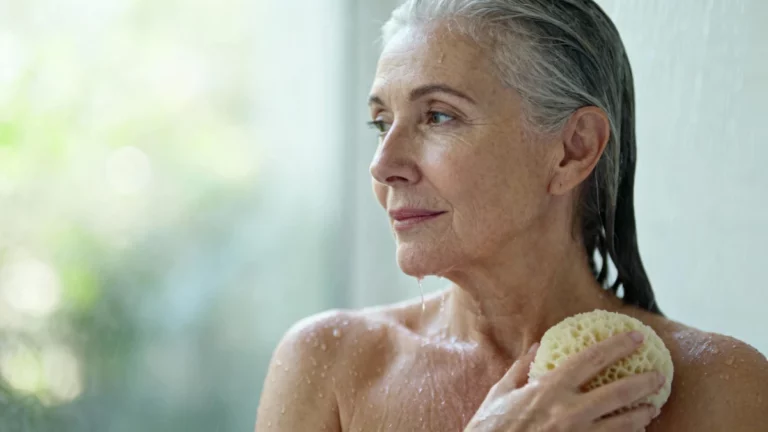
Finding the Right Balance: Not Too Much, Not Too Little
A recent study by the French National Institute of Health and Medical Research (INSERM) reveals something that might surprise you: the best shower routine for seniors isn’t about rigorous daily washing or stretching it out to once a week. Having noticed changes in my own habits as I age, I can say this issue is worth some close attention. After all, personal hygiene for older adults is about more than just keeping clean – it’s about feeling good and living well.
According to the research, after age 65, showering every other day hits a sweet spot for both skin health and overall wellbeing. This pace ensures good hygiene, but without attacking sensitive skin that’s often more fragile as we get older.
The Hidden Risks: From Overwashing to Underwashing
Be wary of overdoing it. Washing too frequently can lead to dermatological issues like dry skin or irritation, especially since aging skin naturally loses the ability to retain moisture. On the other hand, skimping too much on bathing increases the risk of infections and can bring unwelcome side effects into daily life: body odors and awkward social moments, anyone?
Some practical advice: use gentle soaps and lukewarm water. Consider installing grab bars and non-slip mats in the shower to ward off any unpleasant surprises – like an unplanned meeting with the bathroom floor.
The Link Between Hygiene, Self-Esteem, and Mental Health
Good personal hygiene is closely connected to self-esteem and mental health. Seniors who stick to a regular hygiene routine often report better morale and greater independence. But what if taking a shower has become more difficult?
- Try cleaning wipes, especially the gentle ones made for babies or sensitive skin.
- Specialized home care assistance can help, offering practical and dignified alternatives.
“Mandatory hygiene care can become a kind of torment.
I’m against forced showers or baths.
It takes patience, persuasion, time… getting to know each other… to build trust in order to make it happen.
Not as a professional rushing in and out every day.”
These words from readers echo a deeper truth: empathy matters when helping others maintain their hygiene. Trust and patience are often the key.
Tips, Cautions, and Alternatives
- It’s the same for all adults. Daily washing can lead to dry skin, and let’s be honest, it keeps the moisturizer industry in business! The same goes for intimate hygiene – gentle wipes are welcome. Too much deodorant can leave your underarms unresponsive, and frequent shampooing strips the natural oils. Exceptions, of course, are for people with genuine dermatological conditions, or those working in dirty environments without adequate protection. In short: let your body breathe!
- Cotton clothes, changed several times a day, are recommended. Sweat gets absorbed and eliminated. In general, seniors sweat less than before – so maybe skip the plastic mattress covers!
- Two showers a week? Many find that’s just right. There’s no rule against washing your feet or behind as needed. Hands, of course, need washing several times a day. Try refreshing your face with micellar water.
- For older people who are bedridden or have extremely fragile skin, skip soap altogether. A gentle, neutral cleansing milk, applied and wiped with soft cotton, does the trick.
“I agree about not showering every day. But every other day? That still feels a bit too much for my skin.”
“Getting in and out of the bath isn’t easy. Some people are afraid – of slipping, of drowning. Finding the right water and bathroom temperature matters. With a bath, only part of the body is submerged, and soap just sits in the water. Standing to rinse can be difficult, and sometimes you’re left waiting for the tub to empty so you can rinse off while sitting down with a shower head.”
In Conclusion: Personalize Your Routine
In the end, adapting your bathing frequency to your personal needs, physical abilities, and health is the best way to maintain a good quality of life in your senior years. Listen to your body, and don’t be afraid to adjust your routine.
Journalist’s note: At Maison Alcraponne, our team is devoted to delivering trustworthy, thoroughly sourced information every day. We believe in demanding, clear, and honest journalism – not shortcuts or sensationalism. Our priorities? Accuracy, transparency, and a genuine passion for news.