Phosphorescent Paint: Shining Light on Malaysian Roads
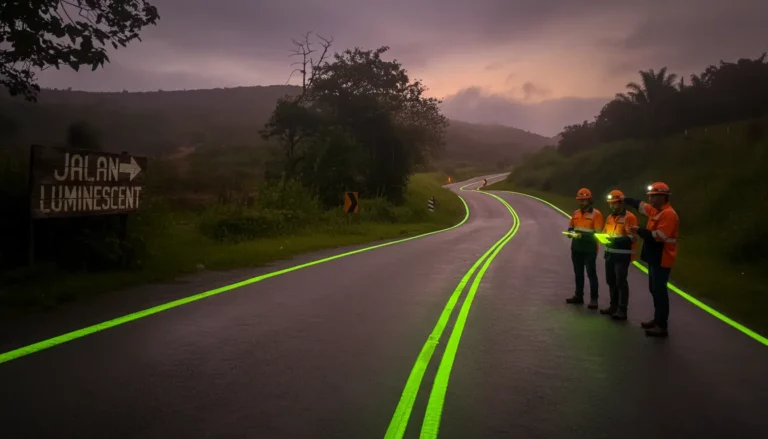
In an effort to literally brighten up nighttime driving, Malaysia grabbed headlines by rolling out an innovative solution: glow-in-the-dark road markings instead of traditional streetlights. According to the Straits Times, this eye-catching pilot project kicked off along a 245-meter (around 800 feet) stretch in Hulu Langat, a district in the state of Selangor, just east of Kuala Lumpur. The novelty was striking and undeniably clever for a country where not every road can boast dazzling urban lighting.
From Applause to Apprehension
The idea was simple, yet ingenious. Photoluminescent paint, capable of absorbing light during the day and emitting a steady glow at night, was meant to replace reflectors and bulbs—and guarantee top-notch visibility, even on stormy nights. When the project launched in 2023, local drivers were all thumbs-up. Before these glowing lines appeared, stretches of the road were either dimly lit or not lit at all—a recipe for nerve-wracking, if not downright hazardous, night journeys.
But then, as the saying goes, every silver lining (in this case, every neon green stripe) has a cloud. The Malaysian government realized, a bit too late, that there was more to the project than met the (illuminated) eye: for Malaysia, the cost of this technology was a serious stumbling block.
Counting the (Glowing) Pennies
According to Malaysia’s Minister of Public Works, Alexander Nanta Linggi, the main selling point was the paint’s continuous, stable glow—a crucial advantage in rural zones without lighting infrastructure. However, this futuristic approach came with a catch, highlighted by the website Paultan: compared to conventional road paint and bulbs, photoluminescent paint was far from a bargain.
Here’s the comparison that made government accountants shudder:
- The new glow-in-the-dark paint cost around 749 Malaysian ringgit per square meter (roughly $160 USD at the time),
- Whereas traditional road markings cost about 40 ringgit per square meter (around $8.50 USD).
In short, the glowing paint was, give or take, 20 times more expensive than standard marking methods. No, your eyes aren’t playing tricks—those numbers really glow off the page!
This sky-high price led Malaysian authorities to rethink the whole affair, wondering whether such a novel technology was truly sustainable if expanded nationwide. Despite public enthusiasm and ongoing trials, the government decided to hit the brakes at the end of last year.
Innovation vs. Cost: Where do we Draw the Line?
The Malaysian example sparks some thought-provoking questions about the balance between innovation and affordability in public infrastructure. Is a tech upgrade worth such a premium when public safety is on the line? Or, to put it plainly: how much would you pay for a bit of extra nighttime peace of mind?
For now, Malaysian officials seem to have their answer. As the final line was drawn—albeit in ordinary white paint—they decided that sometimes, glowing roads are just too bright for the national budget. In the end, the cost was simply not worth the shine.