Technical Breakdown in the Mediterranean
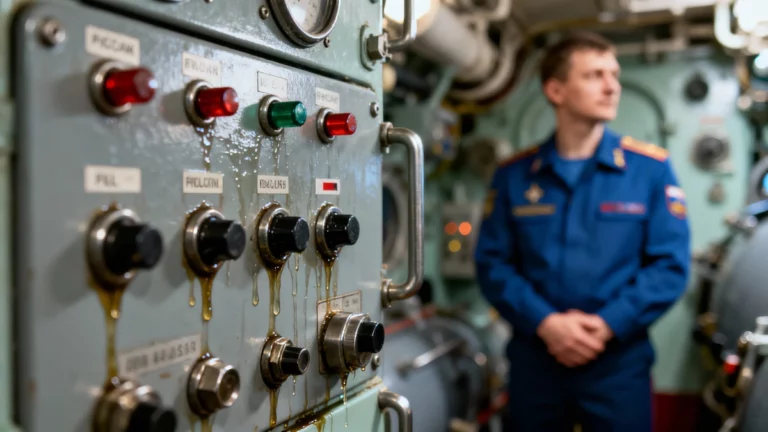
According to the Russian opposition Telegram channel Cheka-OGPU, the B-261 Novorossiysk submarine, attached to the Black Sea Fleet and once stationed in Syria, found itself in deep trouble while in the Mediterranean. The account’s anonymous author writes:
“Following a failure in the fuel system, fuel is leaking directly into the bilge.”
But it doesn’t stop there. The channel continues:
“There are neither spare parts nor qualified specialists on board, and the crew is unable to repair the breakdowns. This serious accident has caused further complications. The fuel accumulating in the bilge is explosive. Our source believes that the crew has no choice but to begin pumping the fuel out of the bilge and dumping it into the sea.”
Submarine’s Route and Current Whereabouts
The Russian vessel was reportedly photographed on Friday, September 26, crossing the Strait of Gibraltar on the surface—a rare sight for a submarine that would usually prefer discretion. It’s believed to be heading back to a Russian base for essential repairs. In the coming days, the Novorossiysk may well pass through the Strait of Dover (known as the Pas-de-Calais in French), as it does quite regularly.
The Novorossiysk: Key Facts and Figures
The Novorossiysk is one of a series of 24 identical Kilo-class submarines, built between 1984 and 2016. This particular sub launched from the Saint Petersburg shipyard in November 2014. It is 72.8 meters long (roughly 239 feet), with a displacement of 2,350 metric tons on the surface and 3,100 metric tons when submerged. It is operated by a crew of 52, including 12 officers, and sports a diesel-electric propulsion system powered by two diesels generating 5,900 horsepower.
Mounting Problems for the Black Sea Fleet
Frustration is mounting among sources linked to Cheka-OGPU. One Russian source laments:
“One after another, the ships return to their bases, covered up. And these are the most valuable missile-launching vessels, of which the Black Sea Fleet owns very few. Who is responsible if half of the ships are immobilized and unable to put to sea?”
The Ukrainian army has managed to sink or damage numerous Russian Black Sea Fleet ships, including its flagship, the cruiser Moskva.
“What is precious and ready for combat is destroyed in the calm waters of the Sea of Azov. And the blame doesn’t lie with the junior officers and sailors, but with the commander, who failed to train them—though he boasts of his readiness to command the fleet, to the satisfaction of his own superiors,”
concludes the same source, with more than a hint of sarcasm. It seems the Black Sea Fleet is capable of slowly self-destructing, without any outside help.
© Rossel & Co – 2025
Terms of Use – Terms of Sale – Legal Notice – Cookie Policy – Privacy Policy – Manage Utiq