
For more than two decades, they sat quietly above creaking floorboards, gathering dust and stories. Then, almost overnight, a forgotten stash of early home computers re entered the modern world, one cardboard box at a time.
A forgotten stockpile with unexpected weight
It sounds like the opening line of a film about tech nostalgia, but the setting was very real. In a weathered barn in Massachusetts, more than 2,200 NABU computers had been stacked away since the late 1980s. Their owner, retired engineer James Pellegrini, had bought the machines with ambition in mind. At the time, home computing felt electric, full of promise, and NABU sat at the cutting edge of domestic digital communication.
‘I just loved how they looked back then,’ Pellegrini later recalled. ‘But nothing ever really happened. I never launched the project. I think I only made a few rough sketches.’
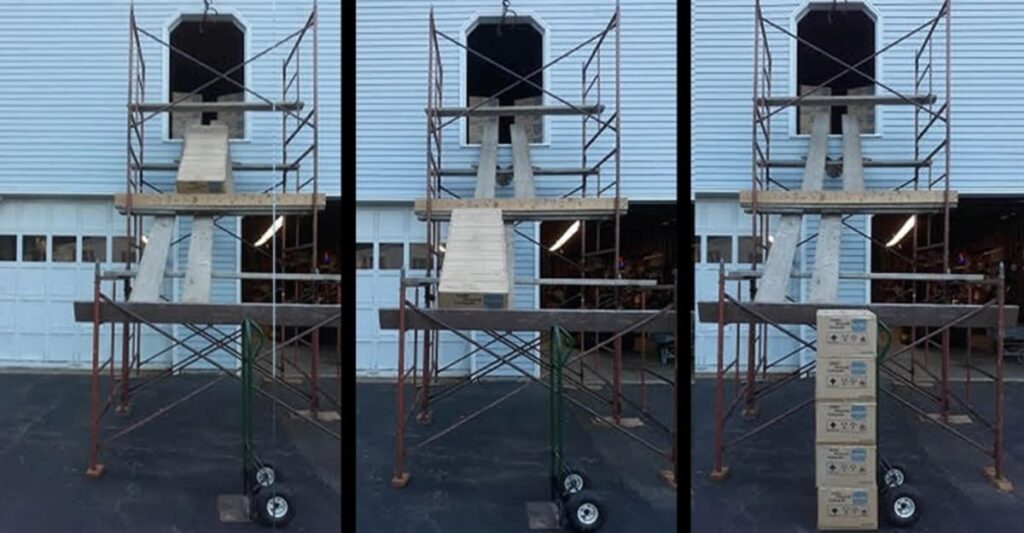
Those sketches were meant to lead to a business network built around the machines. Instead, life moved on. The computers stayed put. For 23 years, they remained untouched, stacked on the barn’s upper floor. Together, they weighed roughly 22 tonnes, an unlikely burden for a rural outbuilding. Whether or not the machines caused it, the structure eventually began to show worrying signs of strain.
And yet, when the boxes were finally opened years later, the computers inside were in remarkably good condition. For collectors of retro technology, it was like opening a time capsule.
From dusty storage to online obsession
Faced with rising storage costs and safety concerns, Pellegrini decided it was time to let them go. His first attempt was modest. A few listings placed quietly on Craigslist attracted little interest. The audience simply wasn’t there.
Everything changed when the computers appeared on eBay.
Within days, buyers began snapping them up, each unit priced at under €100. Nearly a quarter of the stock sold almost immediately. Before long, the entire collection had vanished into the hands of enthusiasts, collectors and curious buyers eager to own a piece of early digital history.
What made these machines so appealing was not raw power. By today’s standards, they are gloriously limited. What buyers were paying for was digital heritage, the chance to hold a physical reminder of a moment when computers still felt mysterious and slightly magical.
Anyone who remembers their first home computer will recognise the pull. I still recall the hum of a beige desktop booting up in my parents’ living room, the sense that something important was happening even if I barely understood it. For many buyers, these NABU machines triggered that same feeling.
Collectors often talk about preservation rather than profit. Organisations dedicated to computing history regularly stress the importance of saving original hardware before it disappears entirely. Once discarded, these machines are gone for good.
Why old computers still matter
The story also says something about our relationship with technology today. We live in a world of constant upgrades, where devices feel outdated within a couple of years. Seeing decades old computers generate such excitement is a reminder that innovation has a memory.
NABU computers were pioneers, designed to connect households long before the internet became commonplace. Their revival highlights a growing appetite for understanding how modern life took shape.
There is also something quietly reassuring about the way this story ends. Instead of being scrapped or forgotten until the barn finally gave way, these machines found new homes. They will be restored, displayed, studied or simply admired for their design.
In an age obsessed with the next big thing, it turns out there is still room for vintage computing, for curiosity, and for the slow unboxing of history.
Sometimes, progress is not about moving forward at speed. Sometimes, it starts by opening an old door, brushing off the dust, and realising that what we left behind still has something to say.