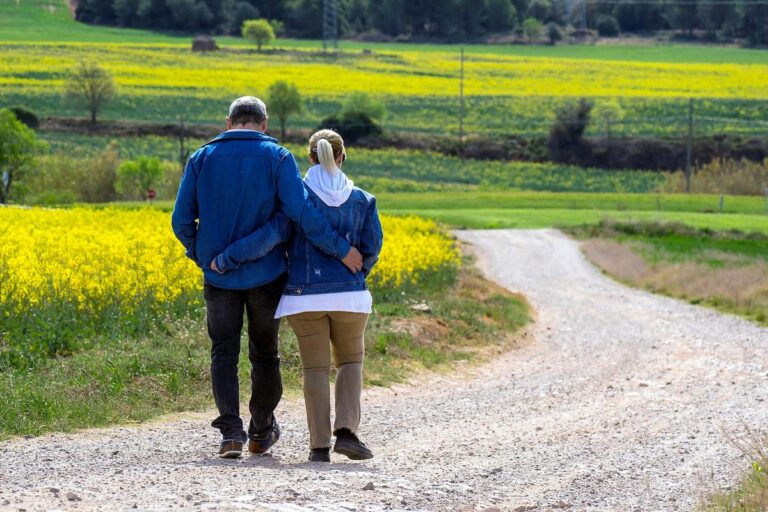
Most of us notice small signs of aging in our own time. A slower recovery after exercise, a second coffee that suddenly feels like too much, or a new line in the mirror that was not there last year. Scientists now suggest these moments are not random at all, but part of a pattern shared by many of us.
A Long Term Study Of How We Age
For years, researchers struggled to pin down when aging truly begins. The reason is simple. Aging is not a smooth, gradual slope. It comes in fits and starts, shaped by biology, lifestyle, and chance.
To better understand this process, scientists at Stanford University followed adults aged between 25 and 75 over several years. Participants regularly provided blood samples, along with skin, mouth, nasal, and stool swabs. Thousands of molecules and microorganisms were analysed, offering a detailed snapshot of how the body changes over time.
The team looked closely at markers linked to immune health, cardiovascular function, kidney performance, and the structure of skin and muscles. Instead of a steady decline, the data revealed something far more surprising.
The Two Ages When The Body Changes Fastest
According to the findings, biological aging tends to accelerate at two specific points. The first shift appears around the age of 44. The second arrives closer to 60.
In our mid forties, changes are most noticeable in metabolism. The body becomes less efficient at processing caffeine, alcohol, and fats. This may explain why a glass of wine suddenly disrupts sleep, or why weight gain feels easier than it did in our thirties. Cholesterol levels often rise, digestion can become less forgiving, and the connective tissues in the skin start to change more quickly, leading to the first deeper wrinkles.
Many people recognise this phase instinctively. A friend once joked that turning 45 was the moment her body stopped negotiating and started issuing firm notices. Science suggests she was not imagining it.
The second major shift occurs around 60. At this stage, changes are more closely tied to the immune system and kidney function. This helps explain why the risk of infections, certain cancers, and cardiovascular problems increases later in life. The body also becomes less effective at managing sugars, raising the likelihood of developing type 2 diabetes.
Health organisations such as the World Health Organization have long highlighted the link between aging, immunity, and chronic disease. These findings add new precision to that broader picture.
What Can We Do To Age More Gently?
The research offers clarity, but not a magic brake pedal. Aging cannot be stopped. However, the way it unfolds can be influenced.
Experts consistently point to the same foundations of healthy aging. Quitting smoking, reducing alcohol intake, eating a balanced diet, staying physically active, and protecting sleep all make a measurable difference. These habits support metabolic health, strengthen the immune system, and help preserve muscle and skin quality.
It does not require extreme measures. Regular walks, strength exercises twice a week, and modest dietary adjustments can all help soften those biological jolts at 44 and 60. According to guidance from groups like the National Institute on Aging, small, sustained changes are often more effective than dramatic overhauls.
Perhaps the most reassuring takeaway is this. While science can now identify when aging speeds up, it also shows that lifestyle still matters. Those milestone ages are not deadlines, but reminders.
If you notice your body changing, you are not falling behind. You are simply arriving at a stage that nearly everyone reaches. And with a bit of care, curiosity, and realism, it is a stage that can still feel energetic, capable, and very much alive.