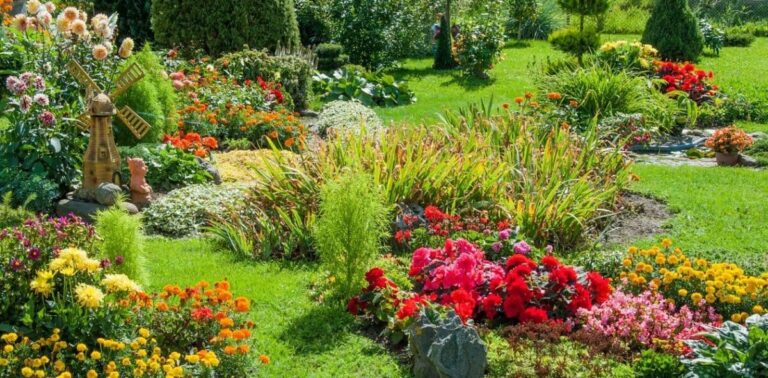
Spring has a way of stirring even the most reluctant gardener into action. March, with its longer days and tentative sunshine, feels like an invitation to get your hands dirty again. Planting now is not just about flowers later. It is about setting the tone for a garden that will reward you for months to come.
Nasturtiums
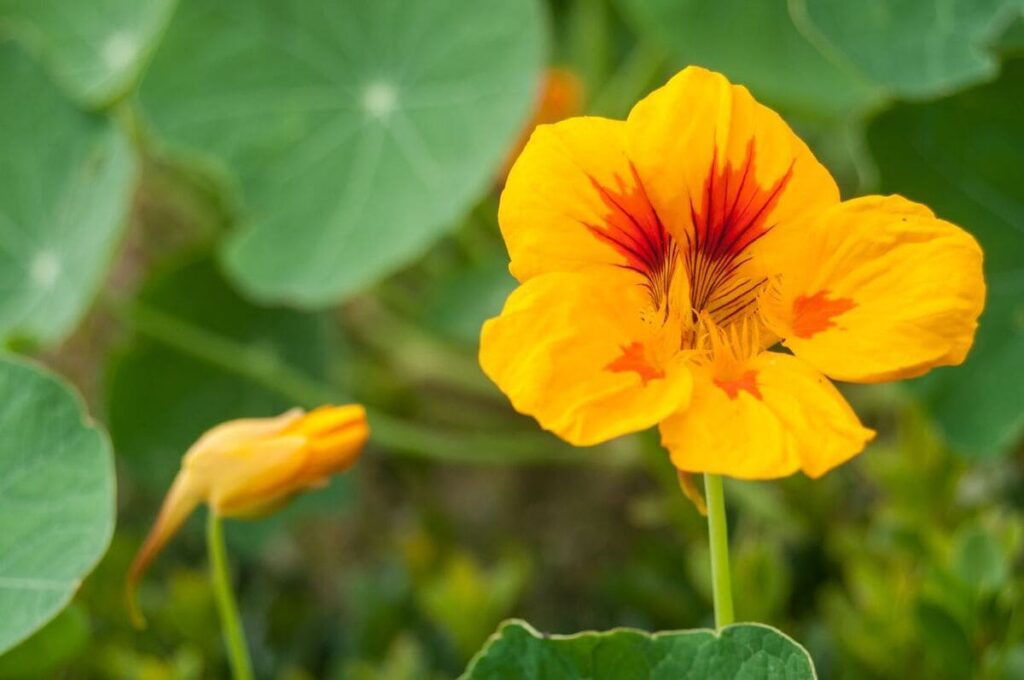
If there is one flower that never fails to lift my mood, it is the nasturtium. These cheerful annuals, originally from South America, have been brightening European gardens for centuries. Their fiery shades of yellow, orange and red bring instant energy to borders and pots alike.
Nasturtiums are famously forgiving. They thrive in well drained soil and cope surprisingly well with dry spells, which makes them ideal if you are still finding your gardening feet. Give them a sunny spot and they will happily scramble and spill, often in places you did not quite expect. As a bonus, their flowers are a magnet for pollinators and are even edible, adding a peppery kick to summer salads. Few plants offer such generous spring planting rewards for so little effort.
Balsams
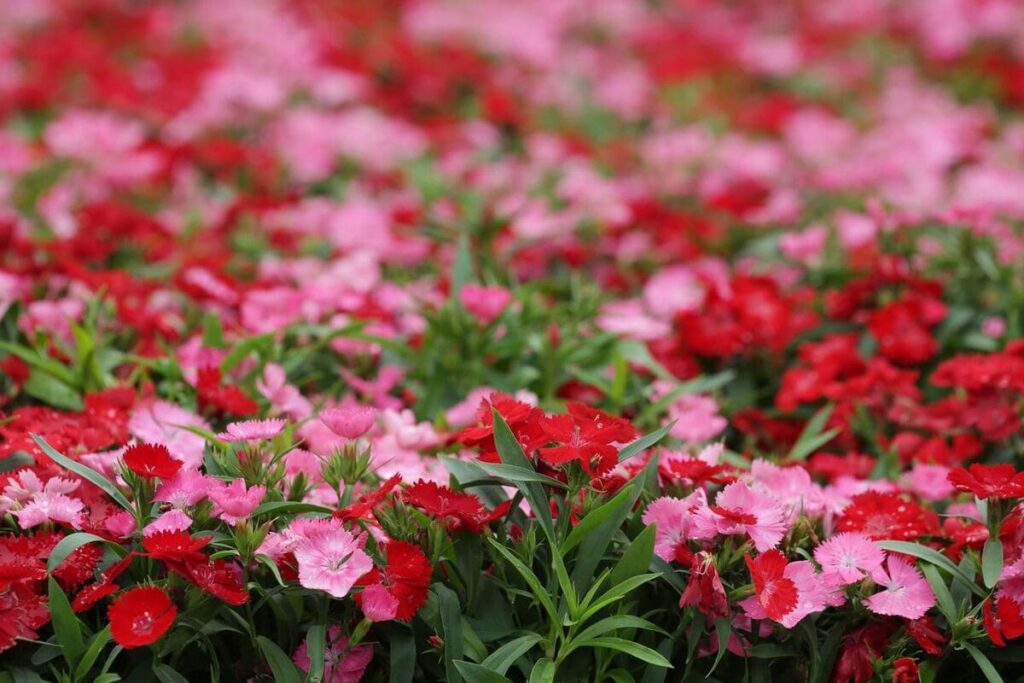
Balsams are one of those quietly reliable plants that gardeners often overlook. With their lush green leaves and bell shaped flowers in soft pinks or creamy whites, they bring a gentler note to the garden from early summer onwards.
They prefer soil rich in organic matter and do best in sun or partial shade. In my own garden, a patch of balsams near a fence line fills an awkward gap year after year. Regular watering during hot spells keeps them looking their best, and removing faded flowers encourages fresh blooms. It is a small, almost meditative task that pays off in colour and texture.
Calendula
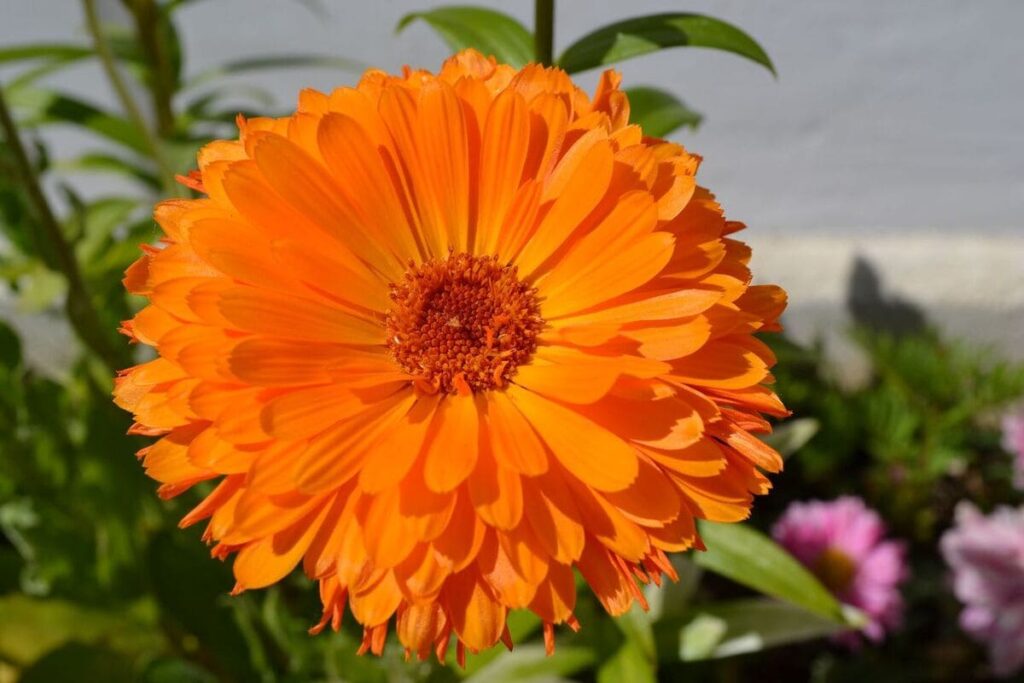
Often known as pot marigold, calendula is a true garden workhorse. Hardy, unfussy and generous with its flowers, it blooms from early summer well into autumn. Its bright orange and yellow petals seem to catch every scrap of sunlight, even on dull days.
Calendula is also valued beyond its looks. According to the Royal Horticultural Society, it is useful for attracting beneficial insects and can even help improve soil health. I like to tuck a few plants among vegetables, where they add colour and quietly get on with their job. It is a classic choice for anyone interested in easy garden flowers with added benefits.
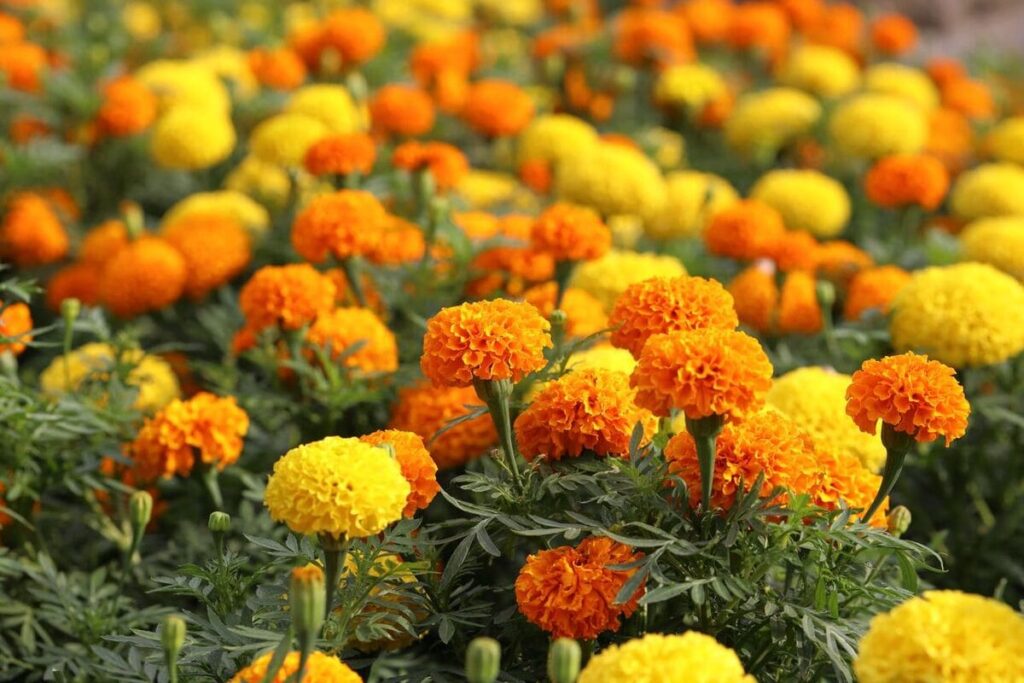
Marigolds
Despite their dramatic name, marigolds are wonderfully down to earth. These tall, sun loving plants can reach impressive heights and produce bold yellow to orange blooms throughout the season.
They tolerate a wide range of soils and ask very little in return. Marigolds are often planted near vegetable beds because they are believed to deter certain pests. Whether or not you subscribe to that theory, there is no denying their visual impact. A row of marigolds in full bloom is one of those sights that instantly says summer has arrived.
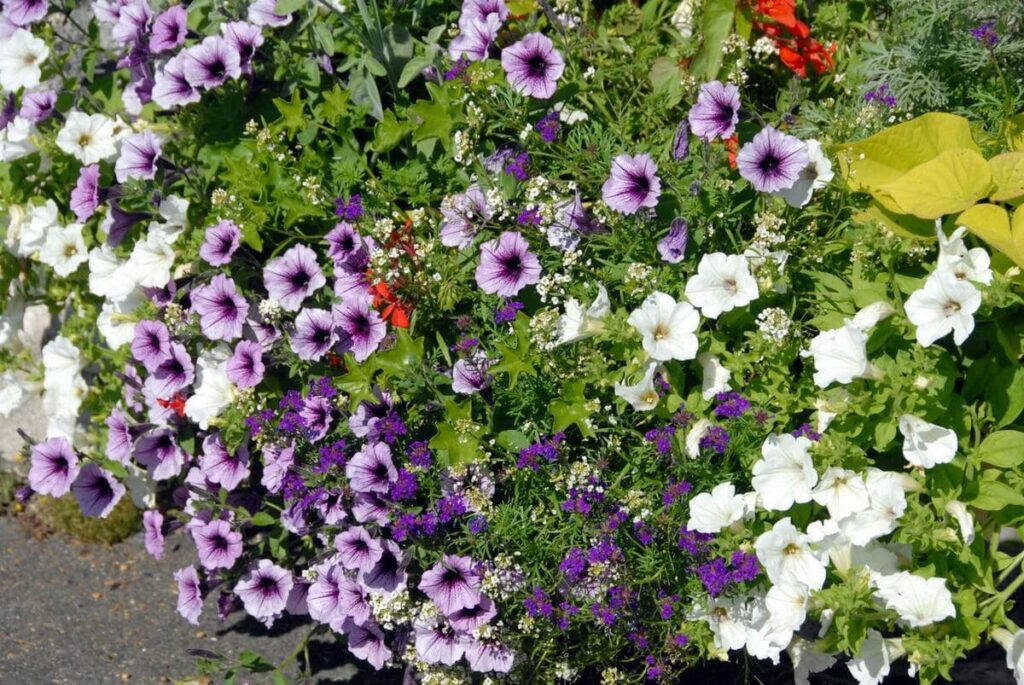
Petunias
Petunias are a familiar sight in parks and public gardens, and for good reason. Their trumpet shaped flowers come in an astonishing range of colours, from crisp whites to deep purples and vibrant reds.
They are adaptable plants that cope with most soils, provided they get plenty of sun. Regular trimming keeps them compact and encourages more flowers. I once planted a mix in hanging baskets and was rewarded with a cascade of colour that lasted well into late summer. For anyone dreaming of colourful summer blooms, petunias rarely disappoint.
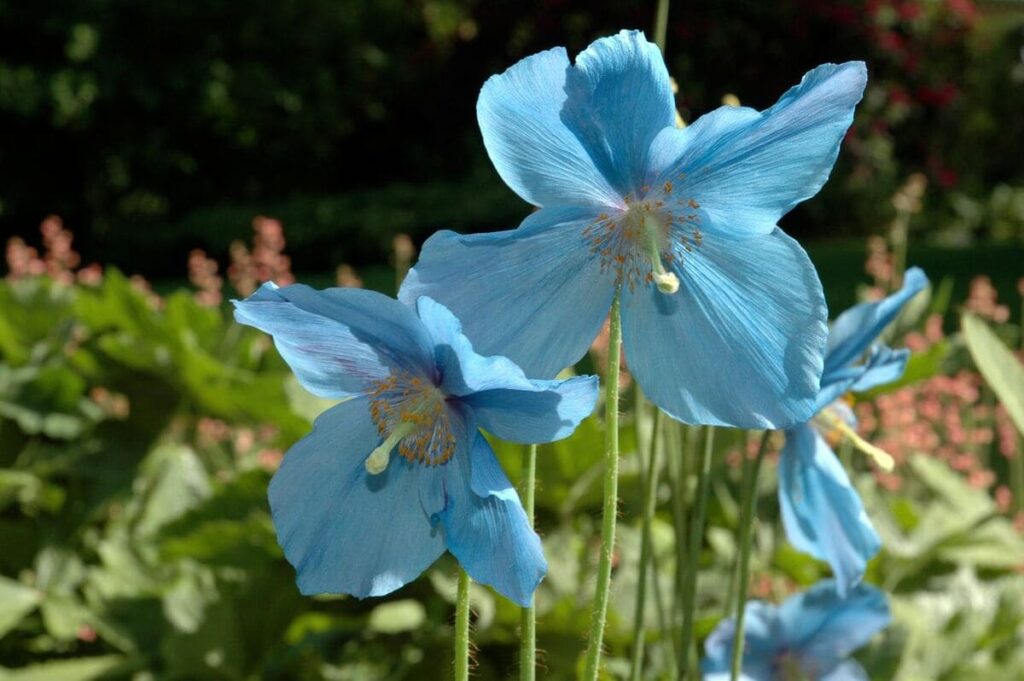
Blue Poppies
Blue poppies add something a little unexpected. Their vivid blue flowers feel almost unreal, especially against fresh green foliage. These perennials stay relatively compact and suit borders, containers or even a sunny balcony.
They are low maintenance, tolerant of drier conditions and generally resistant to pests. For beginner gardeners, that combination is hard to beat. Blue poppies prove that striking beauty does not always come with complicated care routines.
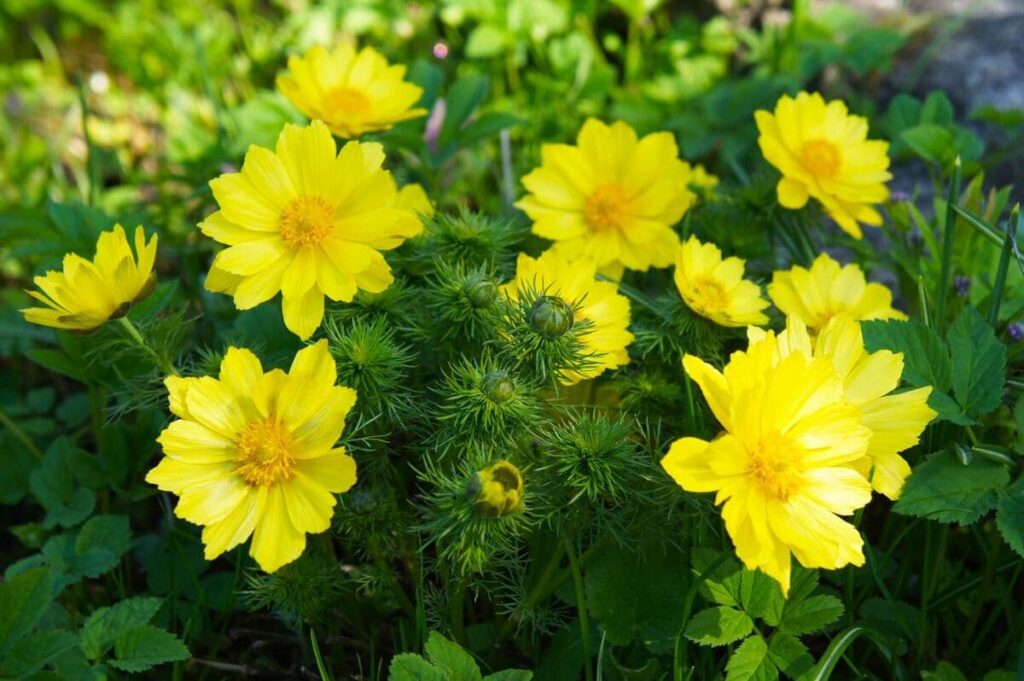
Adonis
Adonis plants are early risers, bursting into life in March with bright yellow flowers. They prefer sunny positions and can grow surprisingly tall, creating a light, airy presence in the garden.
Their blooms are particularly attractive to bees and butterflies, making them a welcome addition for anyone keen on supporting local wildlife. Watching pollinators return as the season warms is one of the quiet joys of gardening, and Adonis plays its part beautifully.
Planting in March is an act of optimism. With a thoughtful mix of these flowers, a little patience and a willingness to learn as you go, your garden can become a place of lasting colour, movement and calm. The secret lies not in perfection, but in starting.