When disputes between landlords and tenants drag on for months, frustration can boil over in surprising ways. In one small French town, that frustration led to a move so unusual that it quickly sparked debate about legality, responsibility and the limits of self-help justice.
A Drastic Response To Months Of Unpaid Rent
In Forbach, in eastern France, a property owner found himself locked in a protracted conflict with a tenant who had allegedly stopped paying rent. According to the landlord, he had not received any payment for eight months. He says he contacted multiple public bodies, including state services that financially support the tenant association, but to no avail. Formal demands for payment were contested, and the eviction procedure kept being delayed.
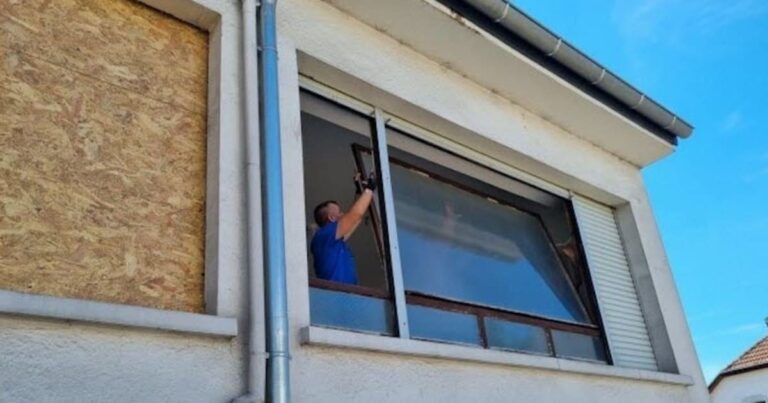
Faced with what he saw as a legal dead end, the landlord decided to take matters into his own hands. In early July, he had the windows removed from the house.
It sounds like something from a dark comedy, but it was very real. When I first heard the story, I was reminded of a landlord I once interviewed who described the eviction process as “a marathon run in slow motion.” In many countries, that description isn’t far off the mark. In France, as in much of Europe, evictions are strictly regulated, and during certain periods—such as the winter truce—tenants are protected from being forced out, even in cases of arrears.
According to France’s public service website (Service-Public.fr), landlords must follow a precise legal process before reclaiming a property, often involving court rulings and bailiffs.¹ Skipping these steps can expose them to serious penalties.
The Tenant’s Defense: A Question Of Repairs
The tenant in this case was not a private individual but an association that provides housing solutions to vulnerable people. Its representatives argued that the non-payment of rent was intentional and justified. They claimed the landlord had committed to carrying out essential renovation work but failed to do so.
“We are not bad payers,” the association’s deputy director reportedly said. “Necessary work must be completed. We are within our rights, and the courts will decide.”
This touches on a critical point in rental law: tenants may, in some circumstances, withhold rent if the property fails to meet basic standards of decency or if agreed repairs are not carried out. However, legal experts generally warn that withholding rent without a court’s authorization can be risky. The French government’s housing guidance emphasizes that disputes over repairs should be settled through formal channels, not unilateral decisions.²
For his part, the landlord insisted that significant work had already been done, including roof and heating renovations. Still, the standoff escalated.
Removing The Windows: Legal Or Not?
On 8 July, the landlord arranged for the windows to be taken out of the house, claiming he was waiting for new ones to be delivered. At the time, only one occupant remained in the property, and notably, that person’s window was left intact.
The move raises serious questions about the concept of “self-help eviction.” In many European jurisdictions, including France, it is illegal for a landlord to force a tenant out by changing locks, cutting utilities or otherwise making the property uninhabitable without a court order. Such actions can be classified as illegal eviction and may carry criminal consequences.³
The situation illustrates how quickly a financial dispute can spiral into a public controversy. Housing law specialists often caution that even when landlords feel cornered, bypassing the courts rarely ends well.
The broader issue is the tension between property rights and tenant protections. The landlord-tenant dispute framework is designed to balance both sides: landlords are entitled to rent; tenants are entitled to safe, habitable housing. But when trust breaks down, the legal machinery can feel painfully slow.
When Frustration Meets The Law
Stories like this resonate because they reflect a reality many property owners and tenants know too well: housing conflicts are rarely simple. According to the French National Institute of Statistics and Economic Studies (INSEE), rent arrears and housing disputes affect thousands of households each year.⁴ Yet the legal path to resolution often involves months of paperwork, hearings and mediation.
It is tempting, in moments of anger, to look for immediate solutions. But as this case shows, radical gestures—however dramatic—rarely settle complex legal battles. More often, they deepen them.
In the end, courts are expected to rule on who is right: whether the rent was legitimately withheld over unfinished repairs, or whether the landlord’s actions crossed a legal line. Until then, the house in Forbach stands as a cautionary tale about what can happen when patience runs out in a high-stakes housing conflict.