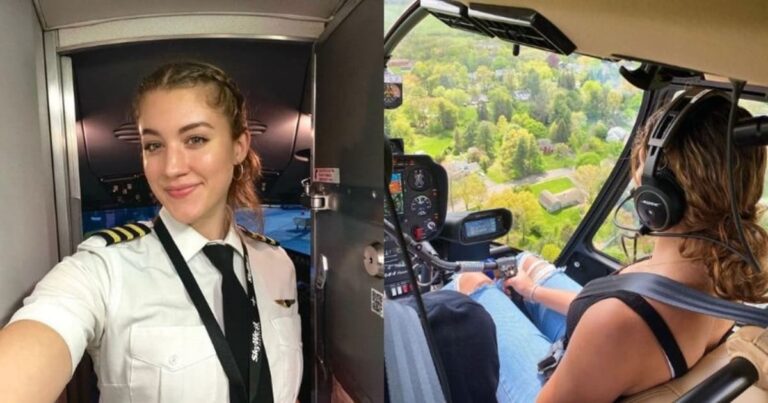
At most airports, uniforms tend to blur together in the rush of departures and arrivals. But for 22-year-old Sabrina Johnson, that confusion happens almost every day — and it says more about perception than about clothing.
A Childhood Spent Looking Up At The Sky
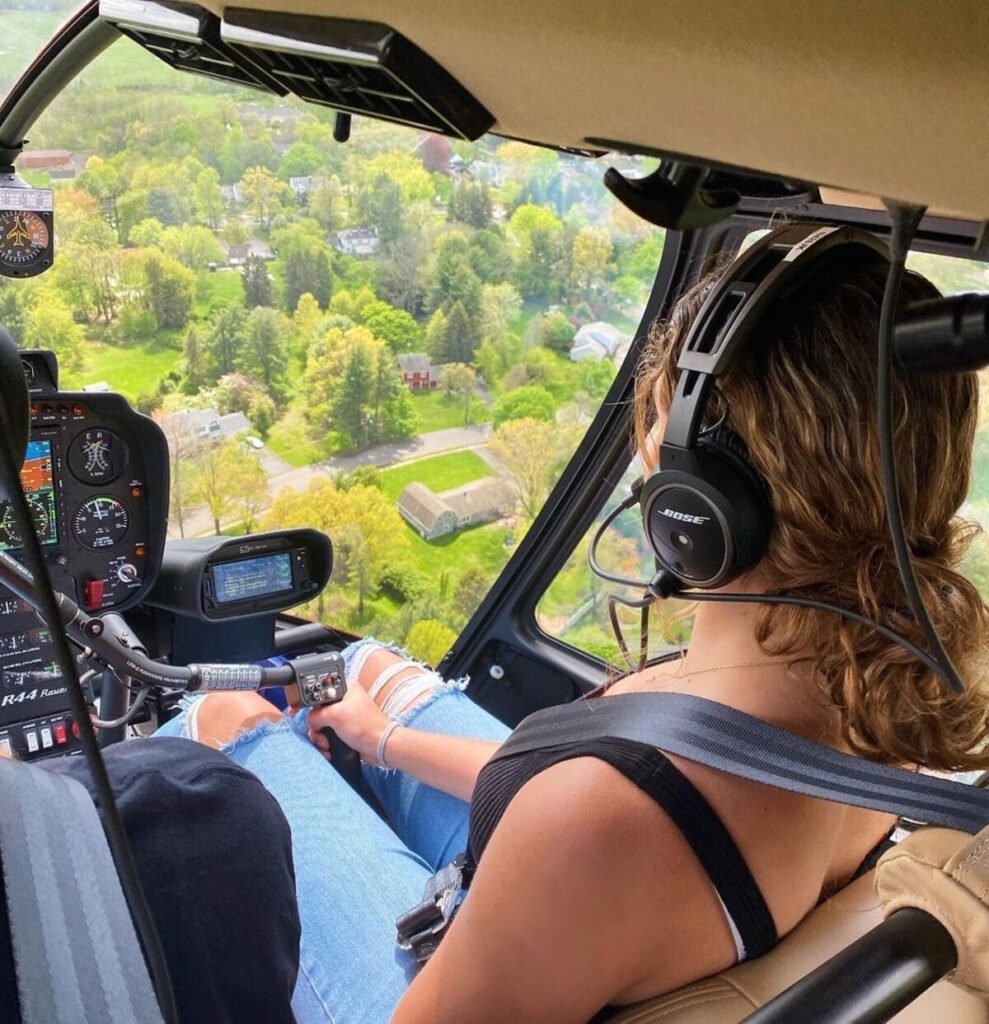
Sabrina’s story didn’t begin in a cockpit; it began in a family where aviation was more than a job — it was a shared passion. She first took flying lessons at 14, an age when most teenagers are worrying about exams or learner’s permits. By 16, she had completed her first solo flight, a milestone many pilots still describe as unforgettable.
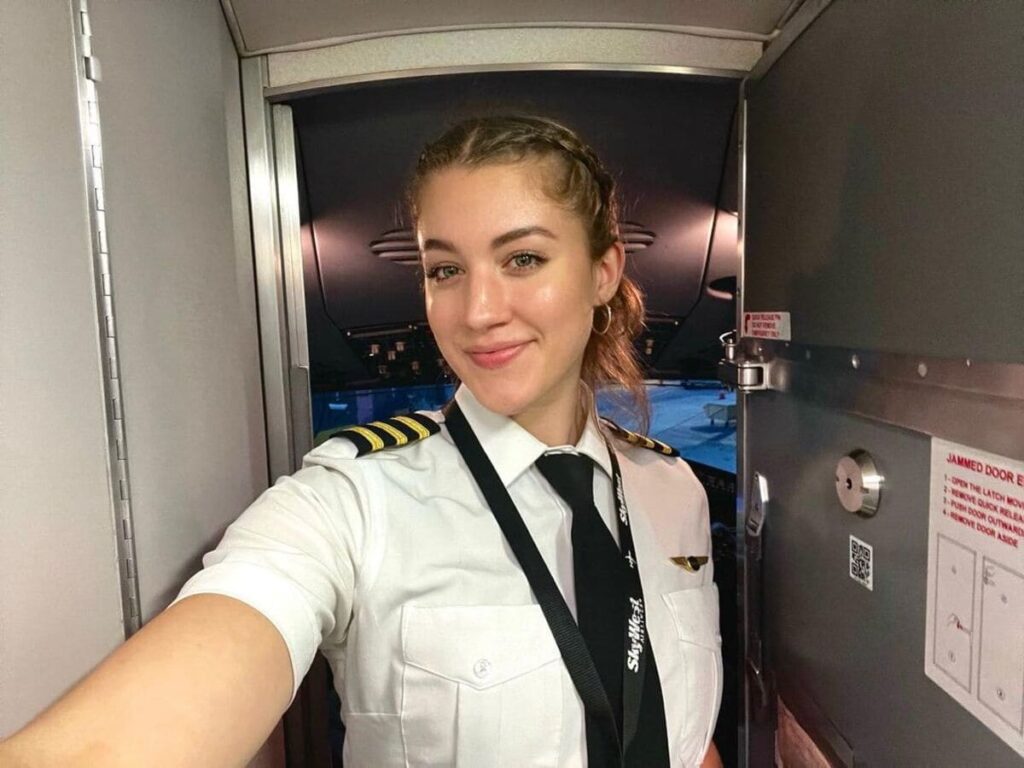
“I still remember my first time alone in the aircraft,” one commercial pilot once told me. “You feel small and powerful at the same time.” Sabrina has described similar feelings in interviews — a mix of nerves, pride and pure adrenaline.
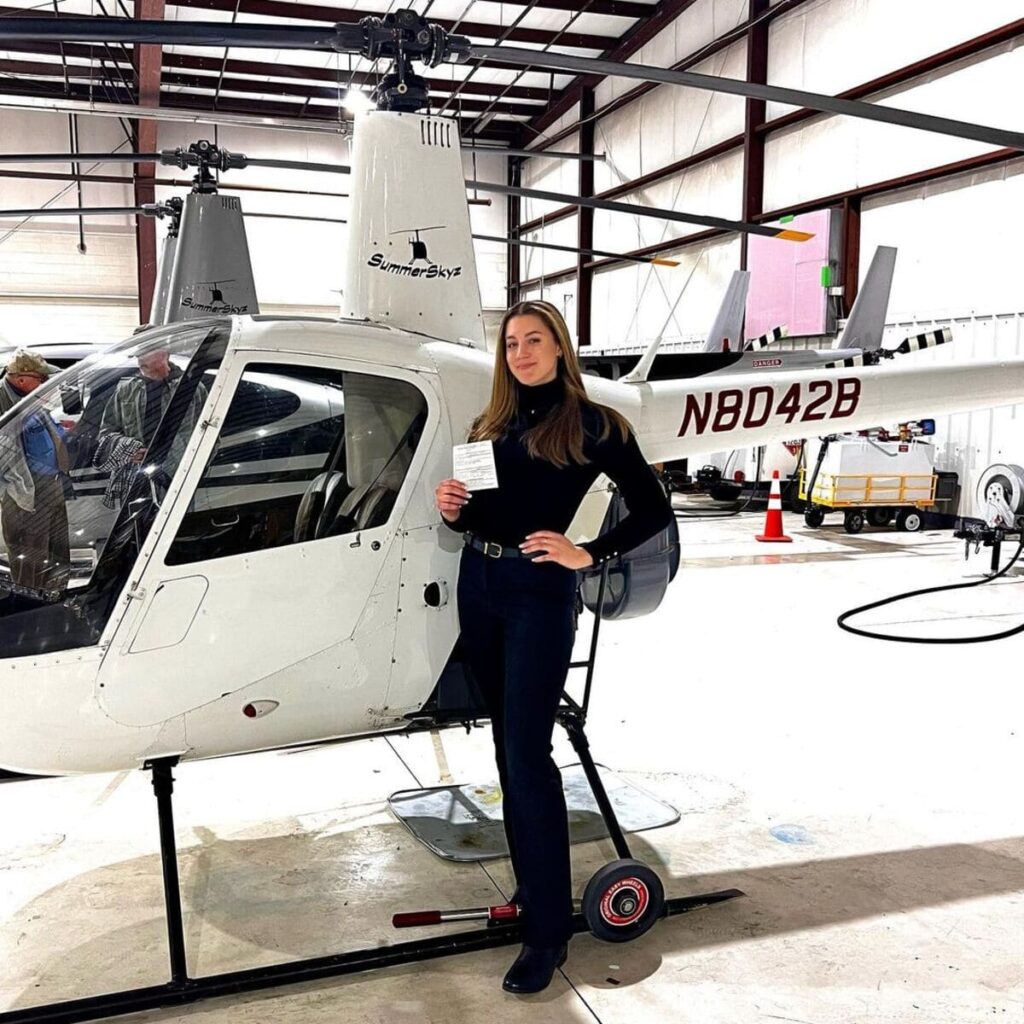
At 17, she qualified as a private pilot while finishing high school. Instead of slowing down, she accelerated. She went on to university to train as a flight instructor and, just three years later, earned her instructor certification along with a helicopter pilot’s license. Soon after, she was hired by an airline and began flying professionally year-round.

By 22, she had already accumulated eight years of flying experience — a timeline that surprises many people who assume pilots must be middle-aged veterans.
“Are You The Flight Attendant?”
Despite her credentials, Sabrina says she is routinely mistaken for cabin crew by passengers and even airport staff. The assumption, she believes, is rooted in her age — and perhaps in outdated ideas about who “looks” like a pilot.
In a TikTok video shared last October, she highlighted these daily misunderstandings. The clip quickly went viral, drawing more than 2.5 million views and sparking thousands of comments. Many young professionals — especially women — shared similar experiences of being underestimated in their fields.
Her situation reflects a broader reality in aviation. According to the International Society of Women Airline Pilots (ISA+21), women make up only about 5–6% of airline pilots worldwide¹. In the United States, the Federal Aviation Administration reports that women account for roughly 9% of all certified pilots². While those numbers have been slowly increasing, the cockpit remains a male-dominated space — and stereotypes linger.
When people see a young woman in uniform, their minds often default to what they are used to seeing.
Experience Beyond Her Years
It’s easy to focus on Sabrina’s age, but what stands out more is her trajectory. Starting flight training at 14 gave her a head start — something aviation experts often encourage. The Aircraft Owners and Pilots Association (AOPA) notes that early exposure to aviation significantly increases the likelihood of pursuing a long-term flying career³.
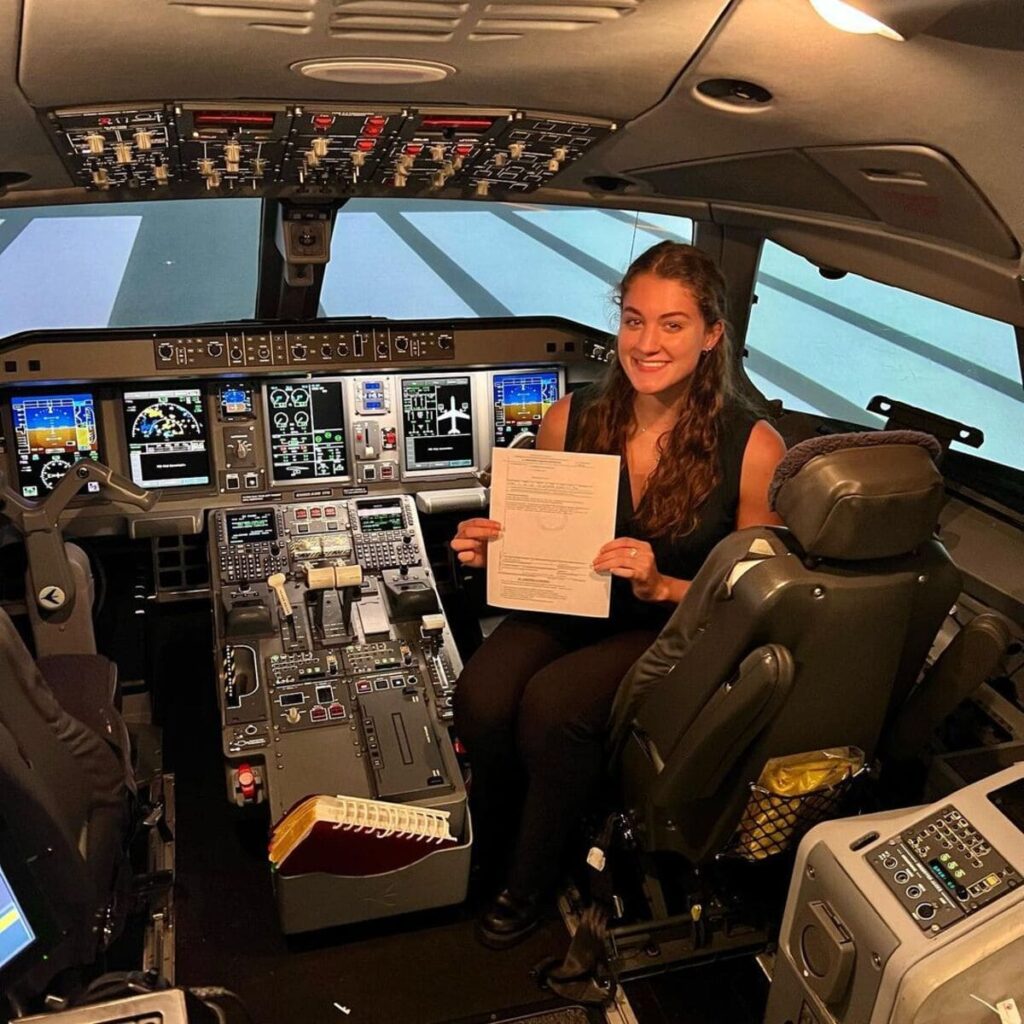
By the time many of her peers were completing undergraduate degrees, Sabrina was instructing other aspiring pilots and flying commercially. Accumulating hours is critical in aviation; major airlines often require 1,500 flight hours for airline transport pilot certification in the U.S.⁴ That milestone typically takes years to reach. Sabrina began that journey long before she could legally rent a car.
A veteran captain I once interviewed told me that in aviation, “experience matters — but discipline and training matter more.” Youth, in other words, is not a disqualifier. The cockpit is governed by rigorous standards, continuous evaluation, and strict licensing requirements.
Changing Perceptions At 30,000 Feet
Sabrina’s viral video was not just a personal vent — it was a reminder that competence does not have a specific age or gender. Her daily reality highlights a subtle but persistent bias: we often trust what feels familiar.
Airlines themselves have been working to diversify their workforce. Organizations such as Women in Aviation International have launched mentorship and scholarship programs aimed at increasing female representation in flight decks⁵. Visibility plays a crucial role. The more passengers see women and young pilots in command, the more normal it becomes.
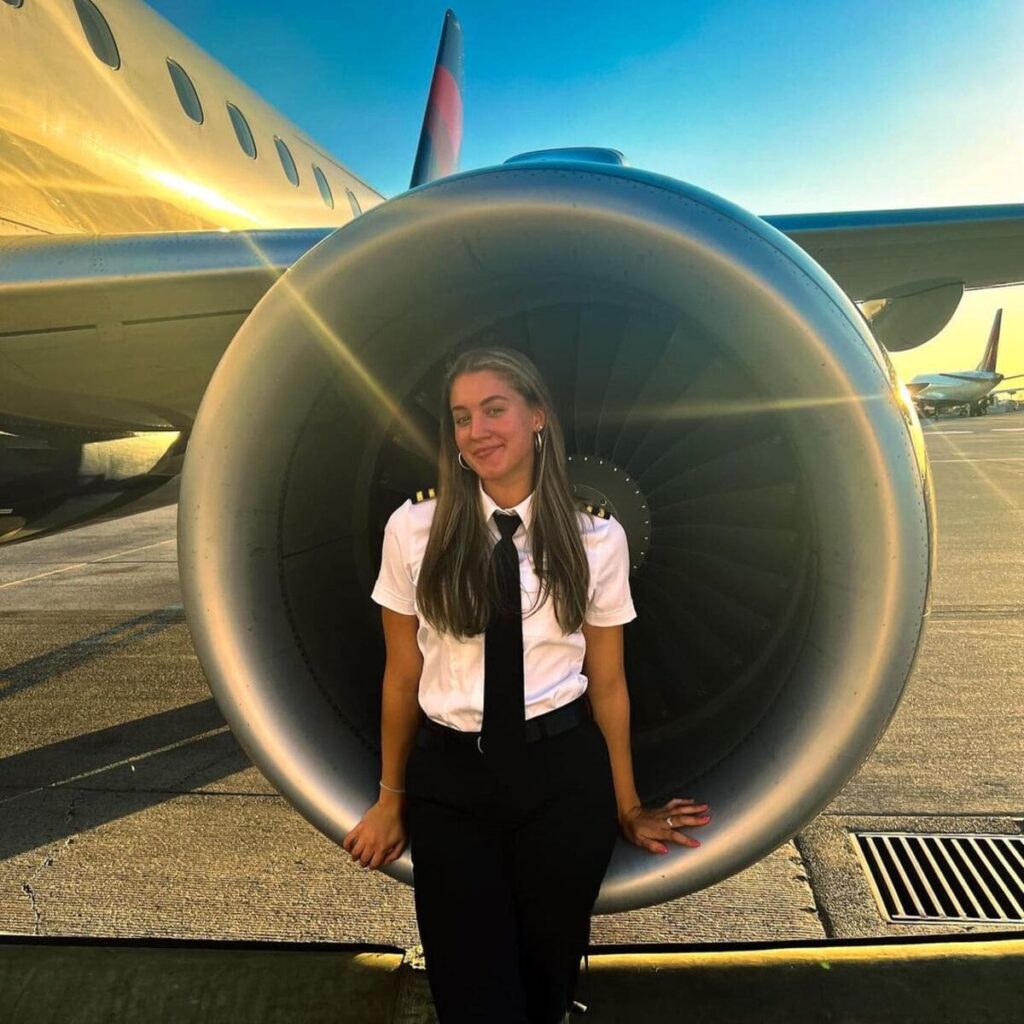
Sabrina continues to fly, logging hours and refining her craft. And while she still hears the occasional “Which row are you serving today?” she also receives messages from young girls who say her story makes the dream feel possible.
In the end, the uniform may be the same shade of navy, but the responsibility is unmistakable. Behind the cockpit door, assumptions give way to skill — and at 22, Sabrina Johnson has already earned her seat.