In the modern world, it is almost impossible to imagine living without news, technology, or contact with the outside world. Yet one Russian family managed exactly that for four decades. Hidden deep in the Siberian wilderness, they survived completely cut off from civilization, unaware that some of the most dramatic events of the twentieth century had even occurred. Their story reads almost like a novel, but historians confirm it is entirely real – a remarkable tale of faith, survival, and isolation.
A discovery in the heart of the Siberian wilderness
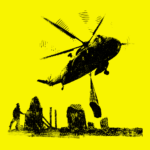
The extraordinary story began in 1978 during the Cold War, when a team of Soviet geologists was surveying remote parts of Siberia for mineral deposits. Their helicopter was flying above the vast Siberian taiga, one of the most remote and least populated regions on Earth.
As the scientists scanned the landscape from above, something unusual caught their attention: a small clearing carved into the forest. In an area believed to be untouched by humans and located roughly 150 miles from the nearest settlement, the sight was baffling.
Curious, the researchers landed nearby and set up camp several miles away before hiking toward the clearing.
What they discovered there stunned them.
A family living far beyond civilization
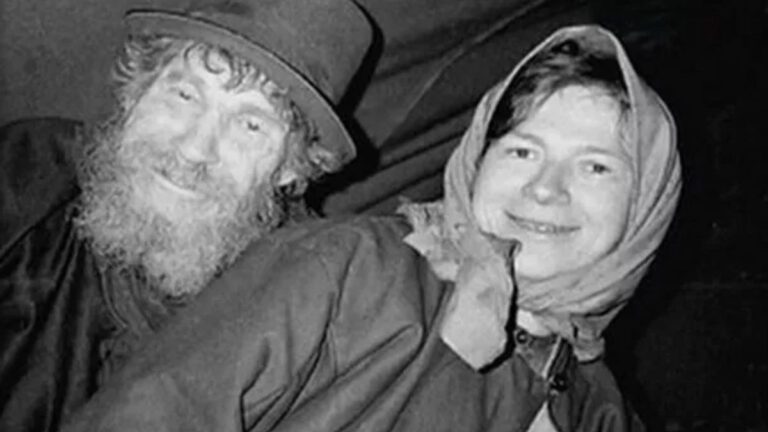
In the clearing stood a crude wooden cabin. Inside lived a family of five who had spent decades completely isolated from the outside world.
The man who greeted the scientists was an elderly Russian named Karp Lykov. At first he appeared frightened by the unexpected visitors, carefully observing them before speaking. One of the geologists later recalled the tense moment.
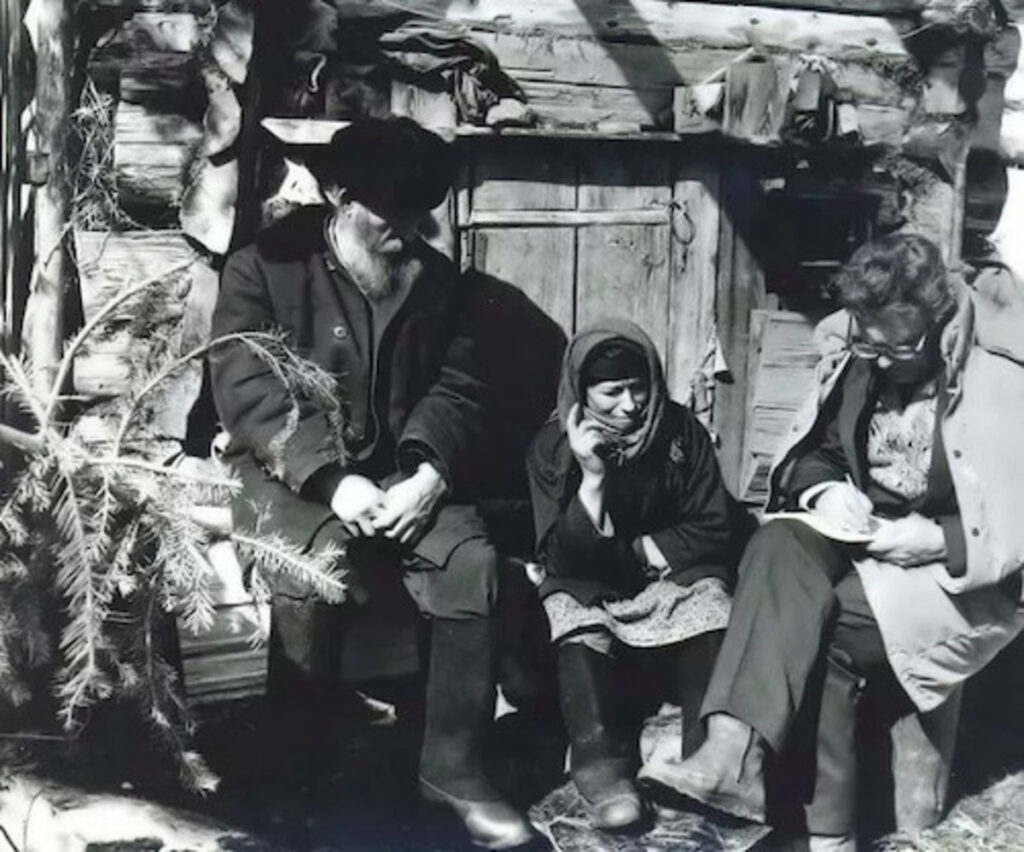
“We tried to reassure him,” scientist Galina Pismenskaya later explained in accounts of the expedition. “Eventually he answered us in a quiet, hesitant voice.”
Slowly, the researchers learned the story behind the family’s incredible isolation.
Karp belonged to a religious community known as the Old Believers, a group of Russian Orthodox Christians who had long faced persecution under both the Tsarist regime and later Soviet authorities.
In the 1930s, fearing repression after soldiers reportedly killed his brother, Karp fled into the wilderness with his wife Akulina and their two children. Carrying only a few supplies – including potato seeds and hemp – the family disappeared deep into the mountains of Siberia.
They never returned.
A life frozen in time
Over the years, the Lykov family adapted to an extremely harsh environment.
They built a small shelter and survived mainly on potatoes, berries, and whatever animals they could hunt. Clothes were fashioned from tree bark and woven hemp. Winters were brutal, and food was often scarce.
Despite these hardships, the family continued their quiet existence for decades. Two more children were born in the forest in 1940 and 1943 – Dmitry and Agafia – who grew up without ever seeing another human being.
The children’s reaction to the geologists was unforgettable. Having never met outsiders before, they were amazed to see strangers who looked like them and spoke the same language.
Historians from the Russian Academy of Sciences later documented how the family had lost nearly all awareness of world events. They had no knowledge of modern technology, politics, or global history.
Perhaps most astonishingly, they had never heard of World War II, despite it being one of the deadliest conflicts in human history.
Clues from the sky
Although completely isolated, Karp had occasionally noticed strange lights moving across the sky.
Watching the stars carefully over the years, he realized that some of them seemed to move in ways that natural stars do not. Without knowing the term, he had unknowingly observed artificial satellites, one of the few hints that the outside world had changed.
Beyond that, the family knew almost nothing about modern life.
Their main form of entertainment remained prayer and reading from an old family Bible.
The tragic aftermath of rediscovery
Even after meeting the scientists, the Lykovs refused to return to civilization. They preferred to remain in their forest clearing, continuing the life they had known for decades.
Sadly, their fragile health suffered after contact with the outside world. Within three years, three of the children died from illness, including kidney failure and pneumonia.
Karp himself passed away in 1988 at the age of more than ninety.
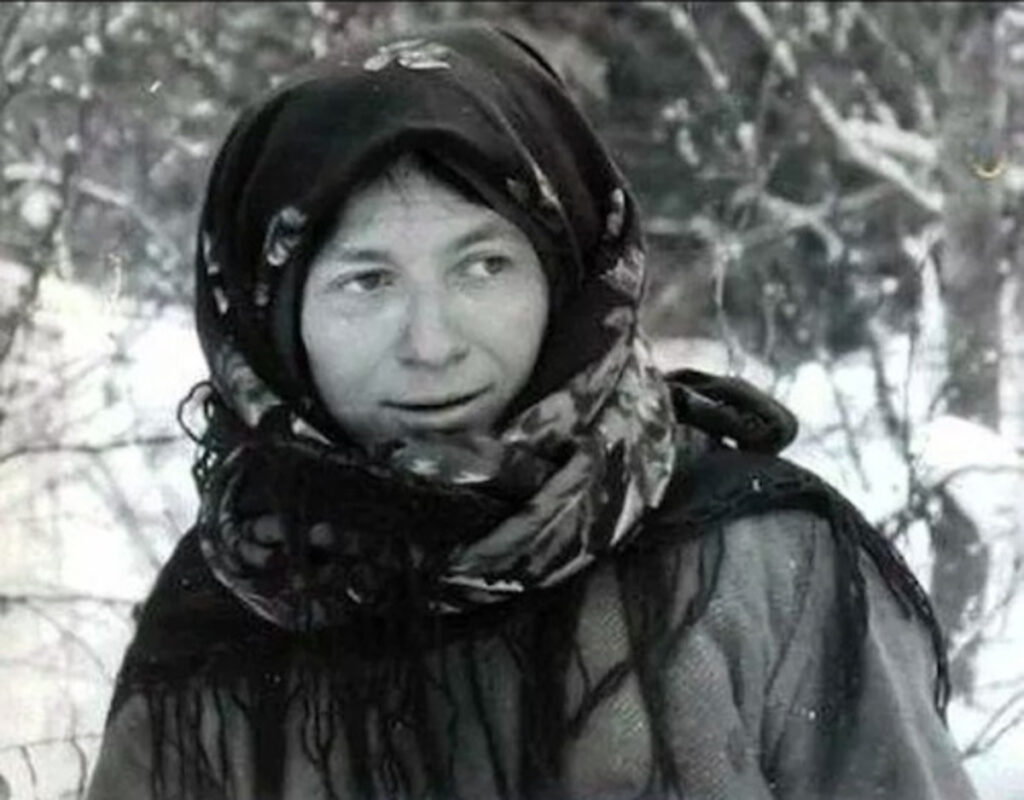
Today, the story has one final living chapter. Agafia Lykova, the youngest daughter, reportedly still lives in the Siberian wilderness, though in a more comfortable dwelling built after the original cabin deteriorated.
Researchers who have visited her say she still maintains the quiet, isolated lifestyle her family embraced so long ago.
The Lykov family’s story remains one of the most extraordinary examples of extreme isolation, reminding us just how vast and mysterious parts of our planet can still be.