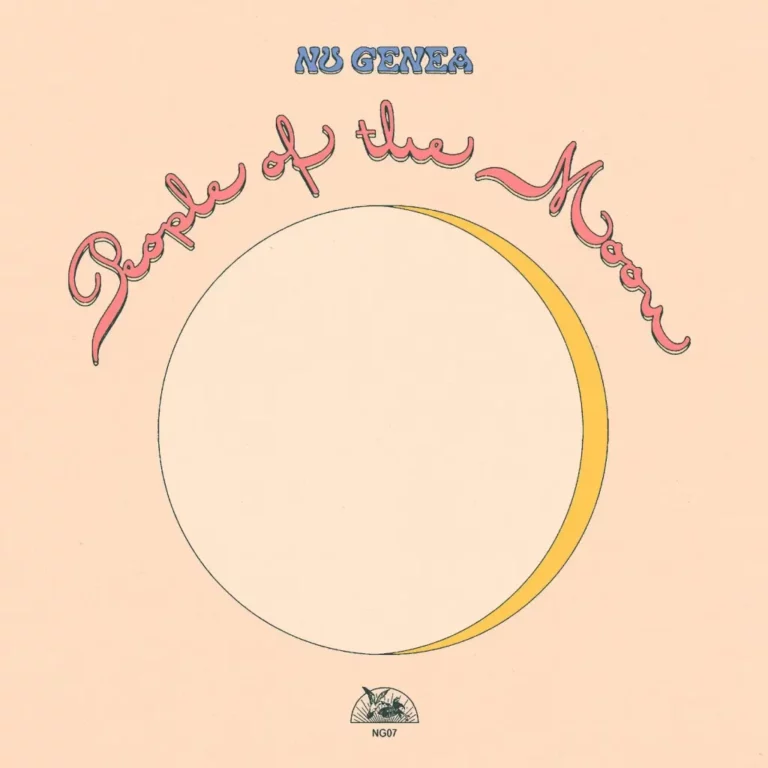
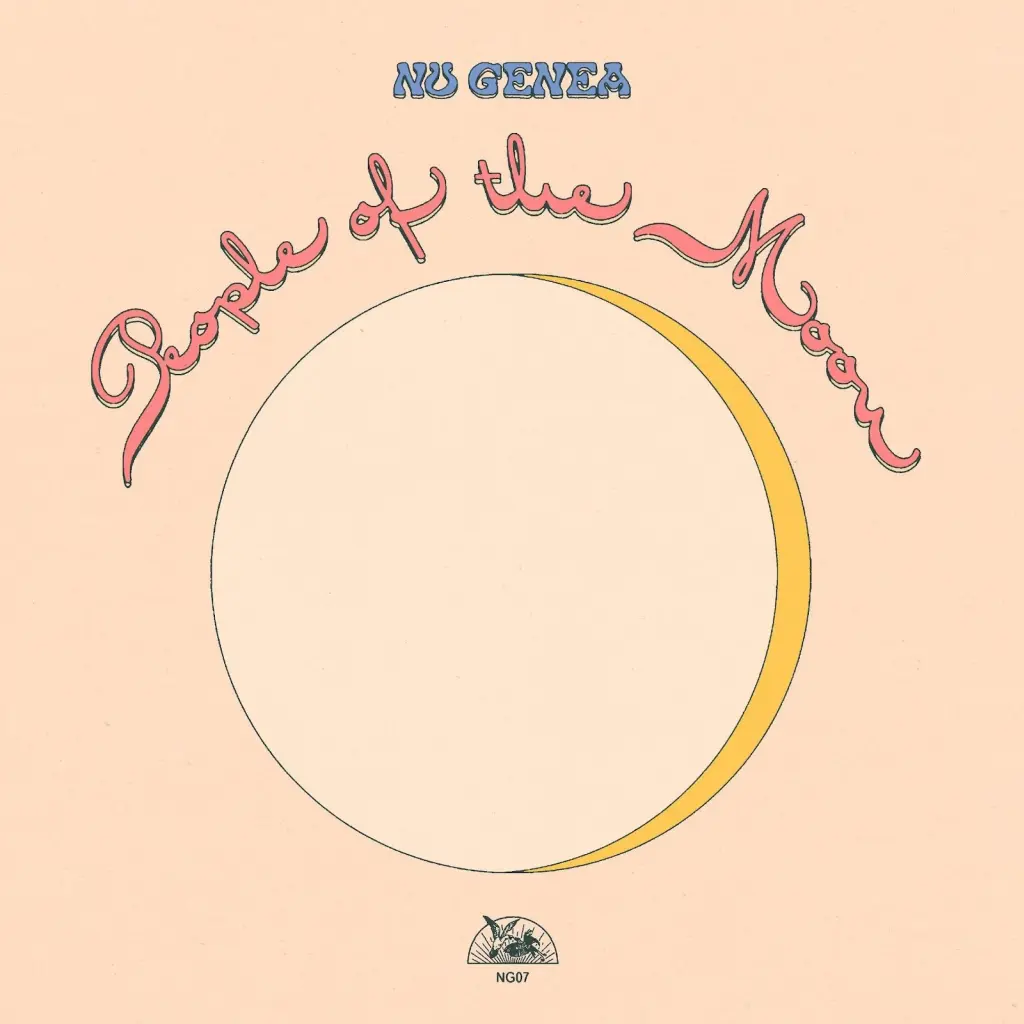
NU-GENEA-People-of-the-moon-album-2026
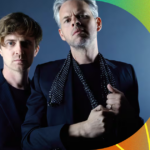
For Massimo Di Lena and Lucio Aquilina, time has a specific weight. Four years separate “People Of The Moon” from “Bar Mediterraneo”, a time that is not silence, but a precise choice for Nu Genea.
They could have ridden the wave, fueled demand with a service drive. They didn't, and it shows.
“People Of The Moon” doesn't draw a place on the map. It draws a dimension: that sphere of the soul that escapes everyday life, expectations, the roles that we carry with us at all latitudes of the planet. The moon as a vanishing point that always remains on the scene. Hero.
The songs speak Neapolitan, Arabic, English, Spanish, Portuguese. And above every language there is the groove, which here functions as a Frankish idiom: from the Afro-Cuban influences of Celavi to the Anatolian zurna that pervades But what a boo, from the highlife guitars to the mandolas that the duo has made their own stylistic signature.
New accents, same Italian perspective The touch remains recognisably, the Nu Genea touch.
The single Shawlà, released in summer 2025, it had already anticipated the code. A giant mirror ball that reflects the best version of us while we dance.
The voices that inhabit these ten tracks make up the picture of a humanity that never stops. Onenon with Tom Misch it's Mediterranean Brit-funk suspended between London and Naples, with a hundred-octane bass reminiscent of Pino D'Angiò. Speed upwith the Andalusian nuances of María José Llergo and her flamenco palmas, is a fusion that the duo's catalog had never attempted in these terms. the singer does not illustrate the text, she embodies it, and does the same with Celavi.
Pulezawith Fabiana Martone, has the impetuosity of certain songs from the cinematographic library and brings to mind Les Négresses Vertes by Zobi La mouche mixed with Pancho by Jack Trombey anthological synths and out-of-control delays. New Naples, without nostalgia.
The title track radiates something unexpectedly sunny, with a lightness that is somehow reminiscent of the pop geometry of Asereje of Las Ketchup.
The Arabic expression shway shway means “slowly,” and the Levantine bossa nova sung by Celinatique that bears that title functions almost as a statement of intent for the entire record. It's not exactly slow, but it moves forward at an orbital pace, with a richness of color and rhythmic complexity that becomes even more significant for those who know what it means to have “The Tony Allen Experiments” behind them.
Carè it's a cornucopia of hooks that overlap without overwhelming each other. In lunar microgravity, falling, flying and dancing become three equivalent ways of staying to the beat.
“People Of The Moon” ends with Ondas Do Mar. Gabriel Prado, Brazilian percussionist making his debut as a singer, invokes something that resembles a necessary surrender: “Você vai ver que interior de nós / vai rolar”, you will see that something will happen inside us. The waves, the slow dance, the phases of the moon. Everything converges towards the same point
Time has value. Nu Genea understood this before many others.
SCORE: 8.00
TO LISTEN NOW
Accelerate – Onenon – Ondas do mar
TO BE SKIPPED IMMEDIATELY
Nothing. A sound journey in the moonlight!