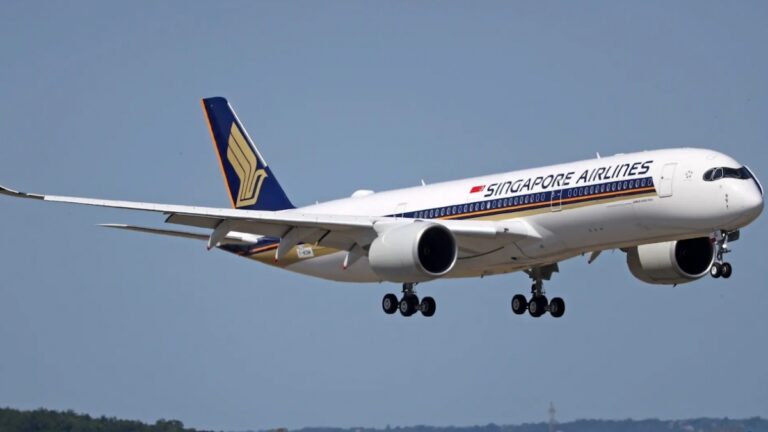
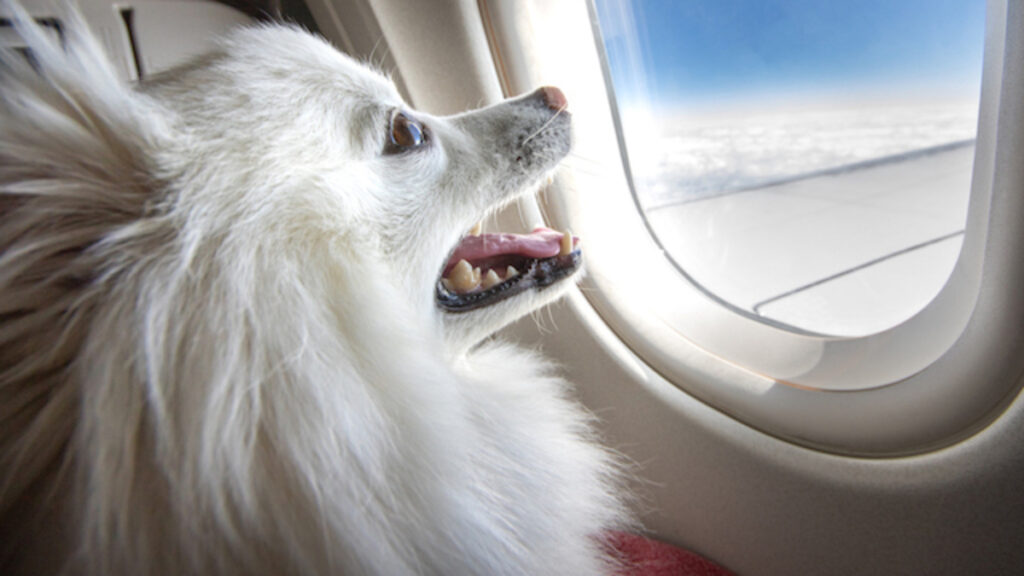
A long haul flight is rarely anyone’s idea of luxury, but one couple says their 13 hour journey became far worse than expected after they were seated next to an emotional support dog that snored, smelled bad, and took over their space.
A difficult flight from Paris to Singapore
Gil and Warren Press, a couple from New Zealand, were traveling on the first leg of their trip from Paris to Singapore when they noticed something unusual beside them.
At first, Gil heard a loud noise and thought it might be her husband’s phone. Then they looked down and realized it was the dog breathing heavily. Not exactly the peaceful start you hope for when settling in for a long flight.
The animal was described as an emotional support dog, and while many passengers understand the importance of assistance animals, the couple said this situation quickly became uncomfortable.

When the journey became too much
As the hours passed, the couple said the dog began snoring loudly and later started passing gas. Warren also claimed the dog took up part of his legroom, leaving him with saliva on his leg while he was wearing shorts.
Anyone who has flown long haul knows space is already precious. Add a restless or noisy neighbor into the mix, furry or otherwise, and patience can disappear faster than the drinks trolley.
Eventually, the couple complained to a flight attendant. They were then moved to two seats at the front of economy, which had reportedly been reserved for cabin crew.
The refund request
After landing, the couple expected the airline to follow up, but they said they heard nothing. Gil later sent a complaint by email.
The airline offered them two travel vouchers worth about $120 each. The couple rejected the offer and asked instead for a full refund, arguing that they had not received the flight experience they paid for.
Gil summed up their frustration by saying, ‘We didn’t have the experience we paid for.’
What the airline said
Singapore Airlines later apologized. A spokesperson said, ‘Singapore Airlines endeavors to notify customers who may be seated next to an assistance dog prior to boarding.’
The airline also added, ‘We sincerely apologize that this did not occur in this instance and will work with our airport teams to ensure that this lapse does not happen in the future.’
It is a reminder that air travel can become complicated when passenger comfort, disability support, and airline communication all meet in one cramped cabin.
A wider travel debate
The issue is not really about blaming the dog. Many assistance animals play a vital role for passengers who need them. Organizations such as Assistance Dogs International have long emphasized that trained dogs can provide essential support and independence.
But clear communication matters. Passengers seated nearby should understand what to expect, especially on a long haul route where moving seats may not always be possible.
This story touches a familiar nerve: most travelers are willing to be reasonable, but they also want the seat and comfort level they paid for. When a journey involves noise, smell, lost legroom, and a lack of warning, frustration is hardly surprising.
In the end, the couple’s complaint is less about being anti dog and more about passenger comfort, planning, and transparency. Because on a 13 hour flight, even small discomforts can feel enormous – and a snoring dog at your feet is not exactly the in flight entertainment anyone had in mind.