After Gloria! and the cinematic experience, Margherita Vicario returns to music with Un tripudio di pelle e di baci, an album of thirteen tracks that explores fragility, love and relationships
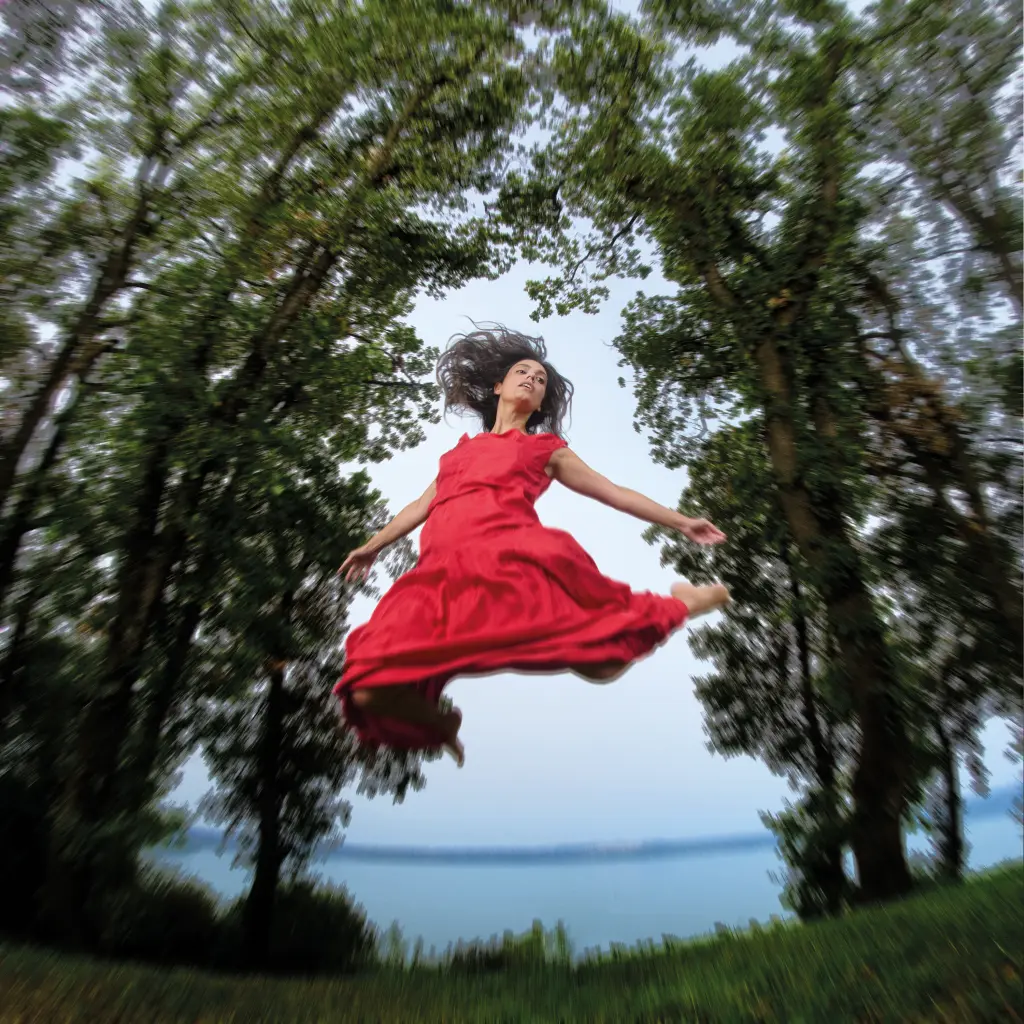
MARGHERITA-VICARIO-A-Tripudio-di-Pelle-and-di-Baci-album-2026
Thirteen tracks to learn to stay inside your emotions. Margherita Vicario returns to music after “Gloria!” and signs a more intimate and personal album, where theatricality meets songwriting and love becomes a form of knowledge.
Sometimes to look at the world again you must first learn to look inside yourself. It is from this intuition that “A riot of skin and kisses”, Margherita Vicario’s new album, takes shape. Thirteen tracks that mark a change of perspective, almost a need to stop, put order between thoughts and feelings and try to understand which relationships really deserve to be cherished.
In previous works, Margherita Vicario’s writing had often looked outwards, describing social contradictions, power dynamics and relationships between men and women through an ironic and irreverent style. Here the movement is the opposite. The investigation starts from the individual, from his fragilities, from his mistakes, from his expectations and from that inner voice which too often becomes the harshest judge of ourselves.
The title is already a declaration of intent. The skin represents the physical and symbolic border of our individuality, while kisses are the gesture that connects us with others. Two apparently opposite, but complementary dimensions: the need to recognize each other and the need to meet. Romantic love, therefore, but also every form of relationship, every bond that contributes to defining who we are.
The album opens with “Introduction – A riot of intent”, a sort of personal declaration in which Margherita focuses on the desire to free herself from other people’s ambitions and expectations that end up distancing us from ourselves. It is a premise that prepares the ground for an emotional journey that is anything but linear.
“The person who hates me the most”, the second single from the album before its publication, addresses the conflictual relationship with one’s own image, that difficulty in forgiving ourselves that we often don’t even reserve for others. With “If there is a friend” the story expands, finding in friendship and sharing a possible answer to individual loneliness.
One of the most significant passages is “I asked for help”, the first single extract, where recognizing one’s pain becomes the first step to transform it.
The narrative heart of the album also goes through the difficulties of life as a couple. “Falla” invites us to overcome the distance between intentions and behaviors, remembering that relationships are not maintained only through words, but require gestures and responsibility. Then comes “Gran Finale”, one of the most intense and dramatic moments of the project. A love story ends and the music reflects its fracture through darker sounds, electric guitars, orchestral tensions and an interpretation that is close to spoken word and rap.
From here on out the album seems to allow itself a progressive reopening. “L’hai understood” recovers the theatrical dimension and the taste for musicals, while “The good people” tries to save what positive remains even after a separation.
With “Gatinho” Margherita allows herself a geographical and sonic detour towards Brazil. The samba, the percussion and the contribution of Ramiro Levy of Selton bring a different brightness to the album, while “Comunque in love” recovers the cinematic and sentimental imagery of the singer-songwriter, also through a reference to Battisti.
Among the most particular moments is “It can’t be done anymore”, almost a monologue, a diary entry which takes on a more universal dimension through a list of renunciations and awareness. With “Less and Less and Better” the gaze returns to meet that of society: the squares, the demonstrations, the collective battles and the need not to consider the private dimension separate from the political one. To close the journey comes “Self-esteem”, a sort of hymn to self-forgiveness and the search for greater self-awareness.
Even on a musical level, “A riot of skin and kisses” eschews a single direction. The singer-songwriter matrix coexists with orchestrations, pop openings, rock sounds, straight drums, Brazilian rhythms and more intimate moments, between piano and voice. The production and artistic direction of Giovanni Pallotti, supported in co-productions by Ramiro Levy, Mr. Monkey and Dade, support this plurality of languages.
“A riot of skin and kisses” is, ultimately, an album of transition and transformation and Margherita Vicario returns to music after having gone through the cinema, but she doesn’t seem to have any intention of starting from where she stopped. He prefers to change perspective, accept his own fragilities and talk about them without necessarily hiding behind irony.
And perhaps this is precisely the most authentic meaning of a jubilation: not the celebration of perfect happiness, but the possibility of continuing to feel, meet and be surprised.
SCORE: Score 7.50
TO LISTEN NOW
I asked for help – The person who hates me the most – Do it – Good people
TO BE SKIPPED IMMEDIATELY
Let’s not skip anything, come on
TRACKLIST
- Introduction – A riot of intent
- The person who hates me the most
- If there is a friend
- I asked for help
- Do it
- Grand finale
- You got it
- Good people
- Gatinho
- Still in love
- You can’t do it anymore
- Less and less, always better
- Self-esteem
DISCOGRAPHY
2014 – Preparatory exercises (EP)
2014 – Minimal Musical
2021 – Bingo
2026 – A riot of skin and kisses
VIDEO
WEB and SOCIAL
www.facebook.com/margheritavicariomusicaetcetc
@margheritavicario