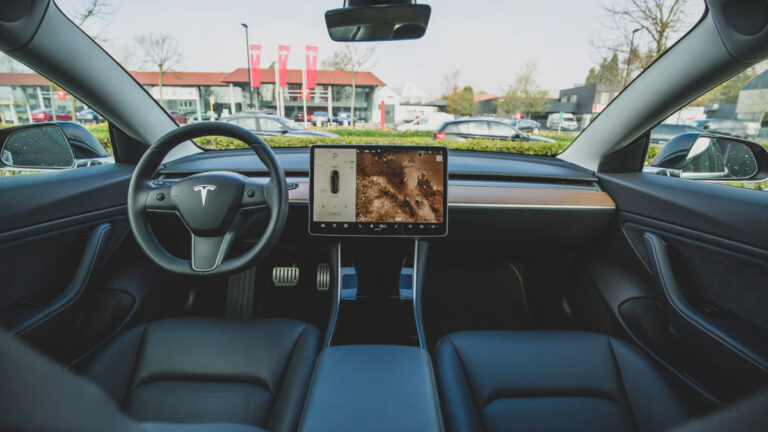
Recently, a team of journalists was given the unique opportunity to visit the Tesla Gigafactory in Berlin. This factory, led by Elon Musk, produces the Tesla Model Y, one of the top-selling electric cars in the world. After the tour, the team embarked on an ambitious 2,500 km journey from Berlin to Madrid, comparing two electric vehicles: the Tesla Model Y Long Range RWD and the Tesla Model 3 Highland, both in their Long Range versions.
A 2,500 km Journey in Electric Cars
The journey itself was a test of endurance, efficiency, and practicality. Along the way, the team made stops at Tesla’s Superchargers, as well as competitor charging stations, roughly every 200 to 300 kilometers. Each stop offered a chance to stretch and take a break, and in many cases, the electric vehicle was ready to go again before the crew had finished their restroom or coffee breaks.
The real question going into the trip was whether the cost of driving an electric vehicle would prove to be significantly more economical than a gasoline-powered or diesel vehicle over such long distances.
Comparing Costs: Electric vs. Gasoline and Diesel
For the comparison, the journalists used official EU data on fuel prices, taking into account the cost of both gasoline and diesel in the countries they passed through. This allowed for a fairly accurate estimate, although actual fuel prices can vary from region to region. The team used a gasoline car that consumes about 7 liters per 100 kilometers and a diesel car consuming 5.5 liters per 100 kilometers as benchmarks for their calculations.
Diesel Takes the Lead in Cost Efficiency
When comparing the costs, the results were eye-opening. The total cost of charging the Tesla Model Y over the 2,500 km trip came to 53.62 euros more than filling up the tank of a diesel car. When comparing the electric car to a gasoline vehicle, the difference increased to 136.61 euros.
These numbers suggest that when you factor in time and money, a diesel car still has the edge when it comes to long-distance driving. While the electric vehicle had to make frequent charging stops, which often took longer than refueling a traditional car, diesel seemed to be the faster, more economical choice for those looking to complete the trip in the least amount of time.
The Potential for Savings with Slower Charging
However, it’s important to consider these results with a few caveats. For one, the team exclusively used Tesla Superchargers, which are faster but more expensive. If they had used slower charging stations, perhaps even overnight charging, the cost difference would have been considerably smaller.
Additionally, combining charging methods during a trip can make a huge difference in cost. Opting for slower, cheaper charging stations, especially if you plan on stopping to eat or rest, could offer greater savings without compromising much on convenience.
Maintenance Costs: The Hidden Factor
While the upfront costs of using an electric vehicle versus a diesel or gasoline car might seem small, long-term costs such as maintenance could tip the scales in favor of electric cars. Diesel vehicles tend to have significantly higher maintenance costs due to their more complex engines and parts. Over the lifespan of a car, these costs can add up, making electric cars potentially more economical in the long run, even if the initial investment is higher.
Choosing What Works Best for You
Ultimately, the decision on which car to buy depends on individual needs and preferences. Some drivers may prioritize cost efficiency for long drives, making diesel the clear winner in those cases. Others might be more concerned with environmental impact, or prefer the convenience and lower long-term maintenance of an electric vehicle.
The good news is that the automobile market offers a variety of options, catering to every need. Whether you’re looking for lower running costs, environmental friendliness, or speed, there’s a vehicle that fits your unique lifestyle.
In conclusion, while electric cars offer many advantages, diesel still holds a clear edge for those looking for the most economical option over long distances. As the market continues to evolve, however, the gap between these two types of vehicles may continue to narrow, offering even more choices for savvy consumers.