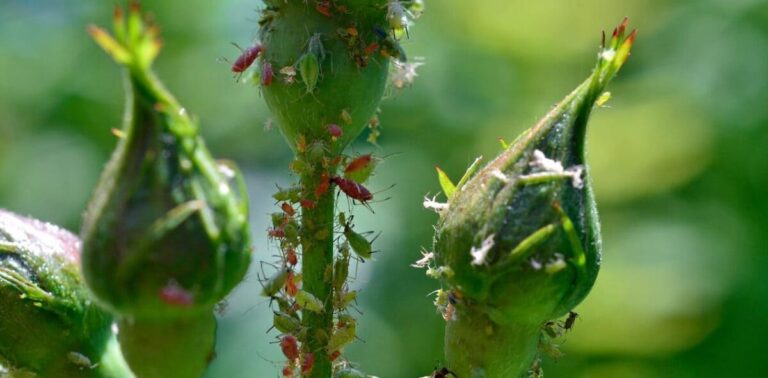
Few things are more frustrating for a gardener than walking out to admire a rose bush and discovering clusters of tiny insects coating the stems and buds. Aphids are one of the most common pests in gardens, and roses are one of their favorite targets. The good news is that controlling them doesn’t have to involve harsh chemicals or complicated treatments.
Over the years, I’ve learned that dealing with aphids is less about panic and more about strategy. A mix of prevention, quick natural solutions, and careful monitoring can keep aphids on roses under control while protecting the rest of your garden ecosystem.
Adopt preventive habits to protect your roses
The easiest aphid problem to solve is the one that never happens. Preventive care plays a major role in keeping infestations from starting in the first place.
Start with the plants themselves. Some rose varieties naturally show stronger resistance to pests. Garden centers and specialist nurseries can often recommend cultivars known for their resilience.
Healthy plants are also far less vulnerable to attack. Regular pruning improves air circulation and removes weak growth where aphids tend to gather. Clearing away dead leaves and faded flowers also limits hiding places for pests.
Fertilizer choice matters as well. Products high in nitrogen encourage lush, tender growth — exactly the kind of plant tissue aphids love to feed on. The Royal Horticultural Society notes that balanced or slow-release fertilizers tend to support healthier plants while reducing pest pressure.¹ Choosing organic fertilizers is often a safer option for maintaining plant-safe pest control in the garden.
Use natural methods to control aphids
Even well-maintained roses occasionally attract aphids. When that happens, simple and natural solutions are often enough to solve the problem.
One of the easiest methods is a spray made with water and liquid black soap (or mild dish soap). A small amount mixed with water breaks down the insects’ protective coating, effectively eliminating them without harming the plant. Gardeners usually repeat the spray every couple of days until the infestation disappears.
Encouraging beneficial insects can also transform your garden into its own pest control system. Ladybirds (ladybugs), lacewings, and hoverflies are all major predators of aphids. According to the University of California Agriculture and Natural Resources program, a single lady beetle can consume dozens of aphids per day.² Introducing or simply attracting these allies can significantly reduce aphid populations.
Companion planting offers another practical approach. Aromatic plants like garlic, onions, mint, and basil can help repel pests when planted near roses. This method strengthens natural aphid control while adding diversity to the garden.
Consider chemical treatments only when necessary
In severe infestations, natural solutions may not always be enough. In those cases, gardeners sometimes turn to targeted treatments.
Some insecticides are derived from natural plant compounds, such as pyrethrins extracted from chrysanthemum flowers. These products act quickly against insects but must be used carefully. Spraying directly on open flowers can harm pollinators like bees.
Systemic insecticides represent another option, as they are absorbed by the plant and affect pests feeding on its sap. However, many experts advise caution with these products because they may impact beneficial insects as well.
A gentler alternative is horticultural oil. These oils — made from plant or mineral sources — coat aphids and suffocate them. When applied correctly, they tend to be less disruptive to the surrounding ecosystem and are often recommended as part of eco-friendly garden pest solutions.
Monitor your roses and adapt your strategy
Eliminating aphids once doesn’t guarantee they won’t return. Successful gardeners treat pest management as an ongoing process.
Regular inspection is essential. Checking the underside of leaves, stems, and flower buds once a week makes it easier to catch aphids before they spread across the plant.
Flexibility also matters. If one method doesn’t seem effective, trying another approach often works better than repeating the same treatment. Alternating between natural sprays, biological control, and preventative practices helps prevent pests from establishing themselves.
Finally, biodiversity is one of the most powerful tools in gardening. A varied garden with many plant species attracts predators that naturally regulate pests. Research from the Food and Agriculture Organization highlights that diverse gardens tend to experience fewer large-scale pest outbreaks because ecological balance keeps populations in check.³
With consistent observation and a few practical techniques, rose pest control becomes much easier than it first appears. A balanced approach — combining prevention, natural remedies, and occasional targeted treatments — allows gardeners to enjoy thriving roses without disrupting the life of the garden around them.