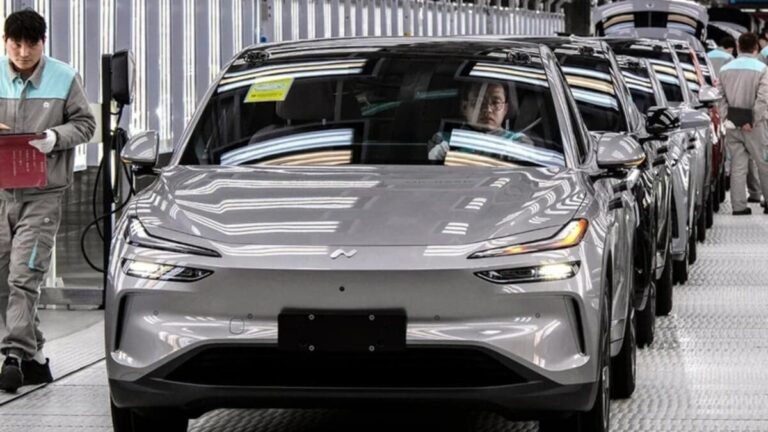
After years of mixed reviews and growing criticism abroad, China has decided it’s time to take control of its automotive reputation. From 2026, Beijing will impose strict new export regulations to ensure that only high-quality vehicles—and responsible manufacturers—represent the nation overseas.
A bold move to clean up the industry
For a long time, China’s carmakers have flooded international markets with competitively priced vehicles, particularly in the fast-growing electric vehicle (EV) segment. But along with that rapid expansion came problems: complaints about poor after-sales support, missing spare parts, and, in some cases, cars that failed to meet local standards.
Determined to fix this, the Chinese Ministry of Commerce has announced a sweeping reform aimed at tightening control over auto exports. Starting January 1, 2026, companies will need official export licences for electric cars—similar to the rules already applied to petrol and hybrid models. Only recognised manufacturers or authorised dealers will be allowed to ship vehicles abroad.
The goal, according to industry experts, is clear: to end what officials have described as the “Wild West” of unregulated exporters, and to rebuild confidence in the “Made in China” automotive brand.
Stopping the export loopholes
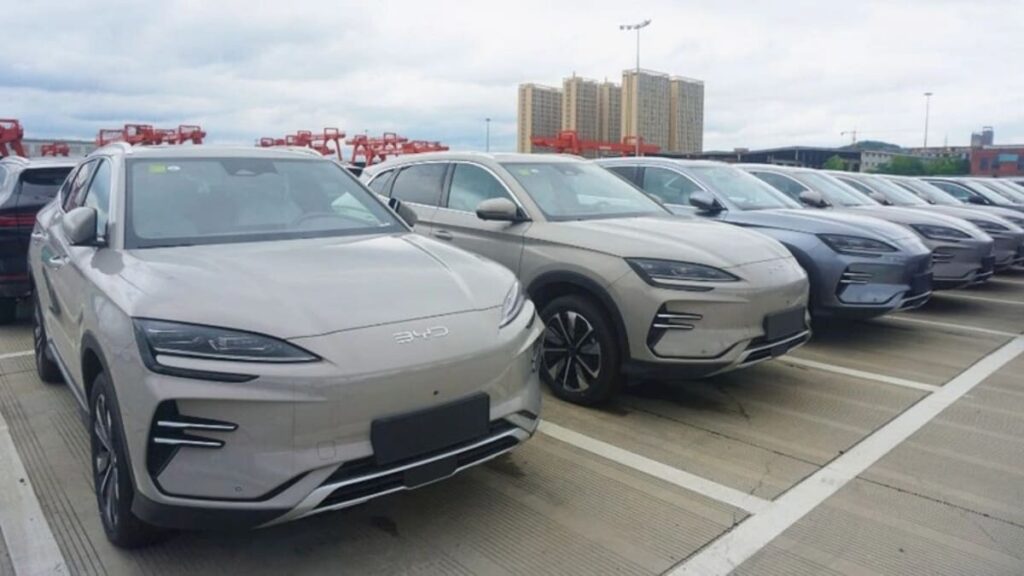
In recent years, a number of small traders—neither official manufacturers nor authorised distributors—have been exploiting loopholes in the system. They would purchase new electric cars domestically, label them as used, and export them to other markets.
At first glance, that may sound harmless. But the problem, as many buyers discovered too late, is that these vehicles often arrived without proper documentation, servicing options, or spare parts. Once issues arose, customers had nowhere to turn.
This practice not only damaged the reputation of Chinese vehicles abroad but also triggered intense price wars. By undercutting official prices, these grey-market exporters forced legitimate manufacturers to slash their margins just to stay competitive.
Beijing’s new regulations aim to stop that spiral by making it impossible to export without meeting strict quality and service requirements.
From quantity to quality
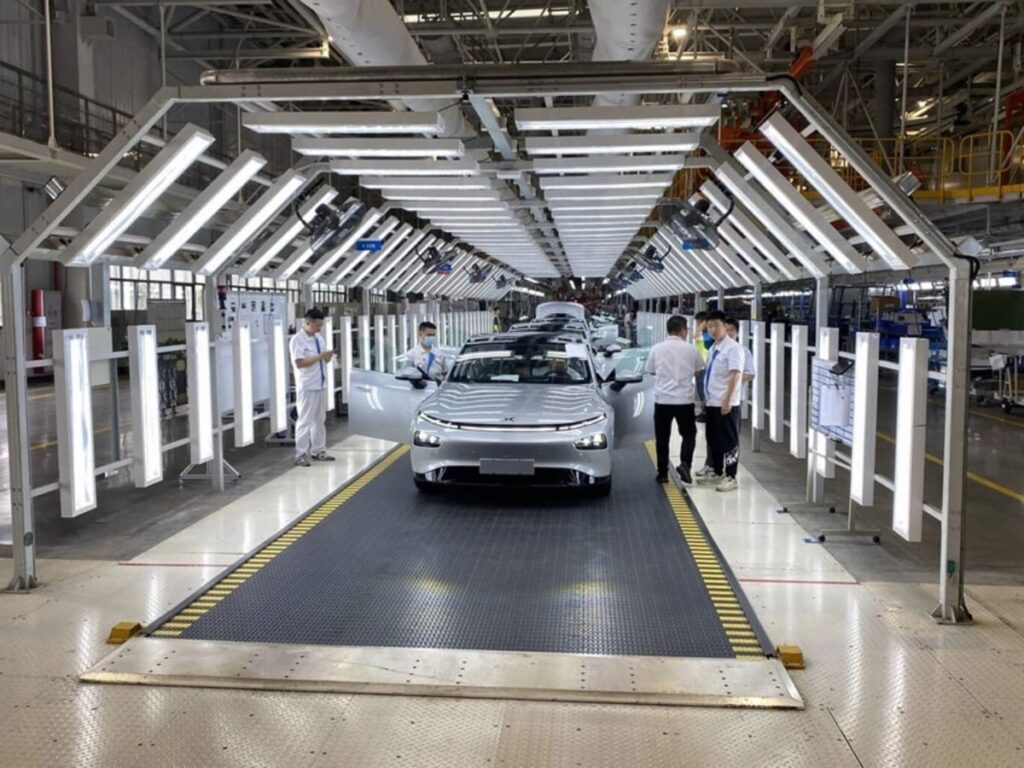
The new export rules represent a major shift in China’s industrial philosophy: quality over quantity. As Wu Songquan from the China Automotive Technology and Research Center explained, international trust must be earned through reliability and consistency—just as Japanese and European automakers did in the past.
“Global consumers respect brands that deliver high quality,” Wu noted. “Chinese automakers should establish standardised procedures and ensure exports of reliable, well-built vehicles through independent operations.”
That sentiment reflects a growing confidence within China’s automotive sector. Even as global trade tensions and import tariffs mount, Beijing believes that a focus on long-term credibility and innovation will allow Chinese carmakers to compete with the likes of Tesla, Toyota, and Volkswagen.
Protecting the ‘Made in China’ brand
China’s electric vehicle revolution has been one of the defining industrial stories of the decade. The country now produces more than half of the world’s EVs, with brands such as BYD, NIO, and Geely gaining global recognition. But while the technology and pricing have impressed international buyers, the after-sales experience has often lagged behind.
The upcoming export licensing system is designed to fix that. Manufacturers will need to prove that spare parts and maintenance services are available in target markets before receiving export approval. The idea is to make every exported car a reflection of China’s modern industrial standards, not a reminder of its growing pains.
A new chapter for Chinese automakers
If the plan succeeds, Chinese brands could soon shed their reputation for inconsistency and emerge as serious global contenders. It’s a bold gamble: limiting exports in the short term to build stronger trust in the long term.
As the world’s automotive landscape continues to shift toward electric mobility, China wants to be known not just for producing cars cheaply—but for producing them well. And if this new strategy works, the next time you see a Chinese EV on the road, you might think less about where it came from, and more about how far it’s come.