The Spratlys: A Hotspot Brimming with Resources—and Tension
In this major strategic zone—teeming with energy assets like oil and natural gas, boasting thriving fishing grounds, and situated on some of the world’s busiest shipping routes—transparency is in short supply. As Unseenlabs points out in its latest online case study:
“Cooperative signals are often irregular, and visibility is largely shaped by gray zone tactics rather than true transparency.”
Detecting the Undetectable: The French Tech Making Waves
For 10 years now, the Brittany-based company Unseenlabs has been perfecting technology based on electromagnetic intelligence (EMI). This innovation allows satellites to pick up radiofrequency (RF) signals emitted by vessels that lack—or deliberately switch off—their Automatic Identification System (AIS) transmitters, letting them sneak under the radar, so to speak.
Peering Into the West Philippine Sea: Two Campaigns, Startling Findings
Against the backdrop of heightening tensions in the West Philippine Sea, Unseenlabs zeroed in on the same area of interest twice, months apart. The findings are telling:
- During the first 31-day survey, 7% of detected RF emitters had no associated AIS signal, “confirming the presence of ships operating without cooperative transmission.”
- In the follow-up 15-day sweep, 6% of the vessels showed the same patterns.
Unseenlabs explains:
“By repeating observations on the same area at different times, our analysts can determine whether unusual signals are just anomalies or represent recurring patterns. This helps identify locations where non-cooperative behavior is persistent, even in high-traffic areas. What continues to show up over multiple surveys much more likely reflects deliberate practices.”
Special Surveillance: Tracking a Chinese Coast Guard Vessel’s Every Move
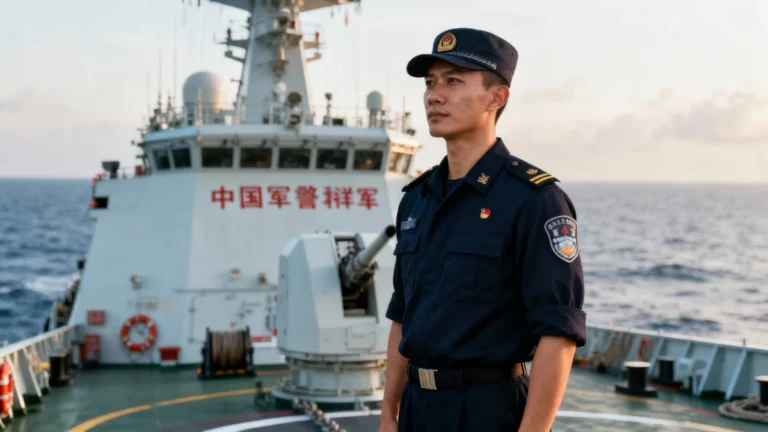
Within this context, a “Chinese coast guard vessel of interest” operating near the hotly contested Spratly Islands was subject to extra close monitoring. During one patrol in the first campaign, its AIS transmission cut out for 45 minutes—yet Unseenlabs did not lose track. Their secret sauce? As the company describes:
“Because our analysts study stable and repetitive signal characteristics, we can attribute a unique RF signature to each vessel. Combined with correlation methods, this approach makes it possible to maintain continuous tracking—even when routes are irregular or cooperative transmissions stop.”
In this precise case, “even if the ship’s identity remains confidential, its pattern of regular patrols, AIS interruptions, and sovereignty-asserting maneuvers illustrates a now recurrent operating mode.” This finding aligns with other sources highlighting the persistent presence of Chinese coast guard ships in the sensitive areas of the South China Sea, where transparency floats somewhere between wishful thinking and strategic shadow play.