It is hard to imagine life without a phone signal, running water, or even a road. Yet for one family deep in Siberia, that was not a challenge but a choice. Their story reads like folklore, except every detail is painfully real and carefully documented.
A Family That Chose Silence Over Survival
In the vast wilderness of the Siberian taiga, the Lykov family lived beyond the reach of maps and modern life for four decades. Their isolation came to light when Soviet geologists, surveying the area from a helicopter, spotted a small cultivated patch in an otherwise endless sea of forest.
The family’s retreat began in the mid 1930s. Karp Lykov, a devout member of a religious minority known as the Old Believers, fled into the wilderness after his brother was killed during Stalinist repression. With his wife Akulina and their children Savin and Natalia, he vanished into the forest, determined to protect his faith at any cost.
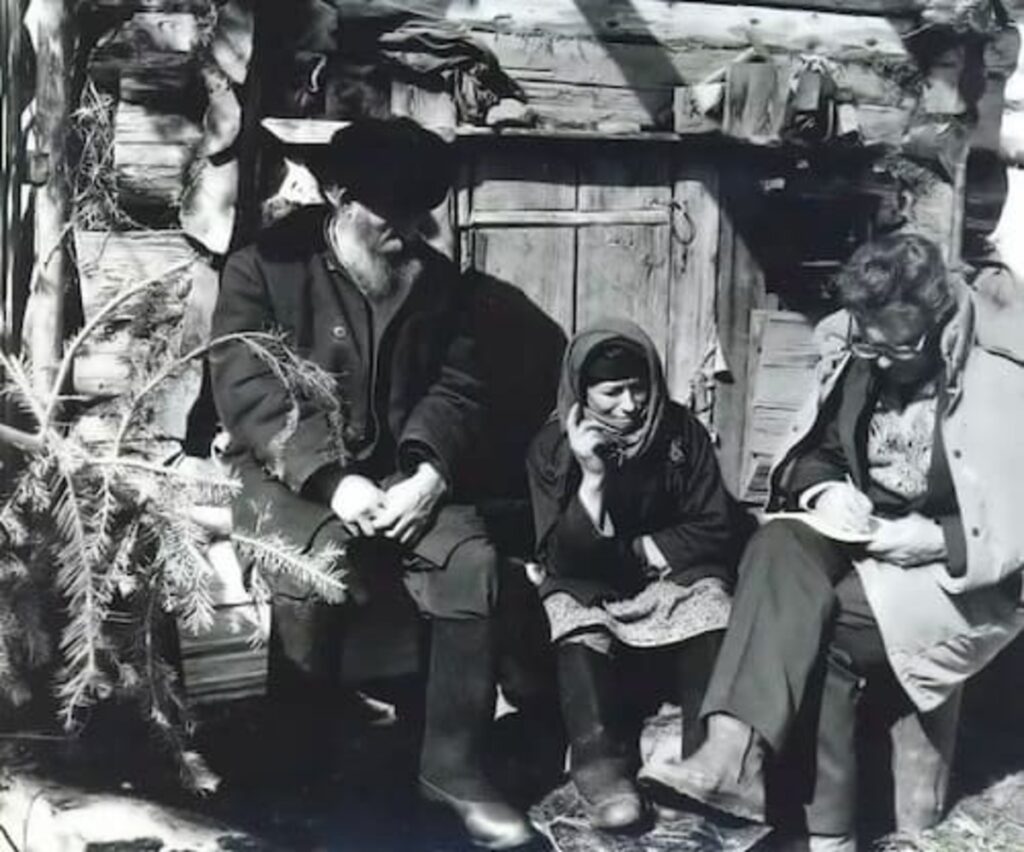
Life Reduced To Its Bare Essentials
What followed was a life stripped down to the essentials. The Lykovs grew their own food in unforgiving soil, survived brutal winters, and made clothes from hemp and tree bark. Their days revolved around prayer, farming, and the constant effort to stay alive. Hunger was a recurring companion. Some winters were survived on little more than frozen potatoes.
Two more children, Dmitry and Agafia Lykova, were born in complete isolation. They grew up without any knowledge of the outside world. No radio. No newspapers. No awareness of events like the Second World War. Their understanding of time and history came solely from an old family Bible.
Anthropologists later described their lifestyle as a rare example of extreme isolation sustained over generations. The Russian Academy of Sciences would later help document their way of life, recognising its extraordinary anthropological value.
When The Outside World Finally Arrived
Contact with outsiders changed everything. Although the family initially welcomed small gestures of help, including food and tools, exposure to modern illnesses proved devastating. Within a few years, three of the siblings died, their immune systems unprepared for common infections.
Karp Lykov survived until 1988, reaching the age of 90. His death marked the end of an era, leaving Agafia as the last living member of the family. She chose to remain in the forest, despite offers to relocate. Over time, authorities helped her build a more solid dwelling, but her life remains largely unchanged.
Health experts often note that sudden contact with modern society can be fatal for long isolated groups, a phenomenon observed globally and acknowledged by organisations such as the World Health Organization in studies of isolated populations.
A Story That Still Resonates Today
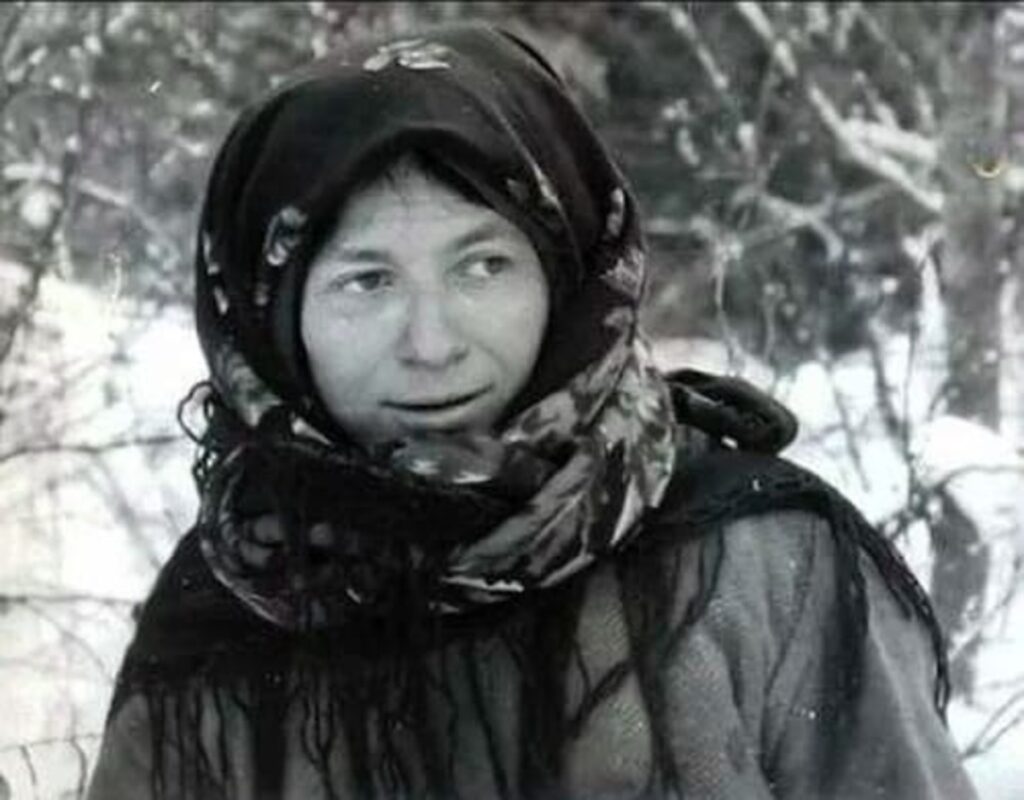
Agafia Lykova still lives in the taiga, a quiet figure in a world that rarely slows down. Her existence feels almost symbolic. While the rest of us worry about screen time and digital overload, she lives without electricity, guided by faith and routine.
I once met a researcher who visited her briefly. He described the visit as unsettling and humbling. Not because of hardship, but because of clarity. Life, he said, had never looked so simple or so demanding.
The Lykovs’ story is not an argument against modern life. It is a reminder. Of human resilience, of belief carried to its extreme, and of how little we truly need to survive. In an age obsessed with connection, their four decades of silence still echo loudly.