Running low on fuel is something every driver dreads, but we’ve all been there. So, how far can you actually go once the fuel reserve light comes on? In this article, we’ll break down the factors that influence how far you can push your car’s fuel reserve and share some practical tips to help you make the most of that last bit of gas.
What is the fuel reserve and how does it work?
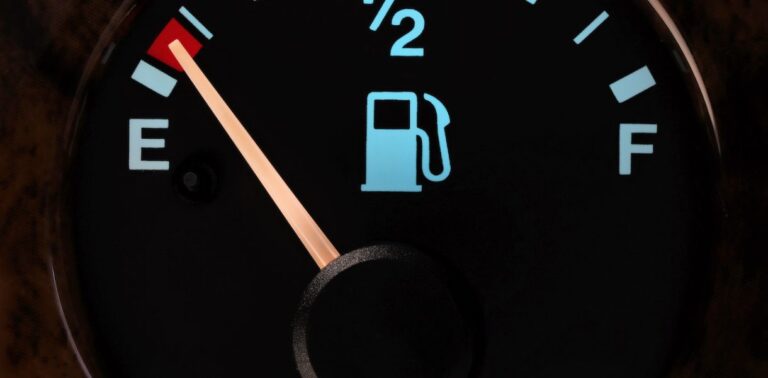
The fuel reserve in your car is the small amount of fuel left in the tank when the fuel gauge reaches the “E” mark or the low-fuel light illuminates. It’s designed to give you just enough time to get to the nearest gas station before you run out completely.
Most modern cars are equipped with sensors that trigger the reserve light when the fuel drops below a certain level. The size of this reserve varies from one vehicle to another, but generally, it represents around 5% to 15% of the total fuel tank capacity. For example, if your car has a 60-liter tank, the reserve would typically be between 3 to 9 liters. You can check your vehicle‘s manual to find out the exact size of your reserve.
Fun fact: Running out of gas on the highway in many places could lead to a fine, so it’s always best to refuel when the light comes on!
Factors that affect how far you can go on the fuel reserve
Several variables influence how far you can travel once your fuel reserve light comes on. Here are the key factors:
- Vehicle type: Smaller and lighter vehicles tend to have better fuel efficiency and can cover more distance on their fuel reserve compared to larger, heavier cars.
- Tank capacity: The larger your fuel tank, the bigger the reserve, and the longer you can drive before needing to refuel.
- Fuel consumption: The fuel efficiency of your car, measured in liters per 100 kilometers (L/100 km), will largely determine how far you can go on the reserve. Cars with lower fuel consumption are able to cover more distance on their remaining fuel.
- Driving conditions: City driving, with frequent stops and starts, uses more fuel than steady highway driving. Similarly, driving in poor weather or on rough roads can reduce the distance you can travel on the reserve.
Estimating the distance you can travel on the fuel reserve
To estimate how far you can go on your car’s fuel reserve, you can use a simple formula:
Distance on reserve = Reserve capacity (in liters) x Fuel consumption (in L/100 km)
For example, if your car has a 7-liter reserve and consumes 6 L/100 km, you can travel about 116 km on the fuel reserve:
116 km = 7 liters x (100 km / 6 liters)
Keep in mind, this is a rough estimate and doesn’t take into account driving conditions or the type of car. Factors like city vs. highway driving will influence your actual range.
Tips for maximizing the distance on your fuel reserve
Here are some helpful tips to make the most of your car’s fuel reserve and potentially extend how far you can drive:
- Drive smoothly: Avoid rapid acceleration and hard braking. A smooth driving style can help reduce fuel consumption, allowing you to go farther on less fuel.
- Maintain a steady speed: On highways, keeping a constant speed will help reduce fuel consumption. Cruise control can be a great tool for this.
- Reduce unnecessary weight: Carrying excess weight in your car means more fuel is required to move it. Remove unnecessary items from your vehicle to reduce fuel usage.
- Keep your car well-maintained: Regular maintenance, such as checking oil levels and replacing air and fuel filters, can improve your car’s fuel efficiency and make the most of your reserve.
While it can be tempting to push the limits of your fuel reserve, it’s important to remember that frequently running low can damage your car’s fuel system. You could end up sucking up dirt and debris from the bottom of the tank, potentially causing more costly repairs down the road.
The bottom line: don’t push it too far
In conclusion, while it’s possible to travel a decent distance on your fuel reserve, it’s always best to top up sooner rather than later. Keep in mind that how far you can go depends on factors like vehicle type, fuel consumption, and driving conditions. If you’re unsure, err on the side of caution and stop at the next gas station when the reserve light comes on. It’s better to fill up early than risk running out of fuel at an inconvenient time—or worse, damaging your car’s fuel system.