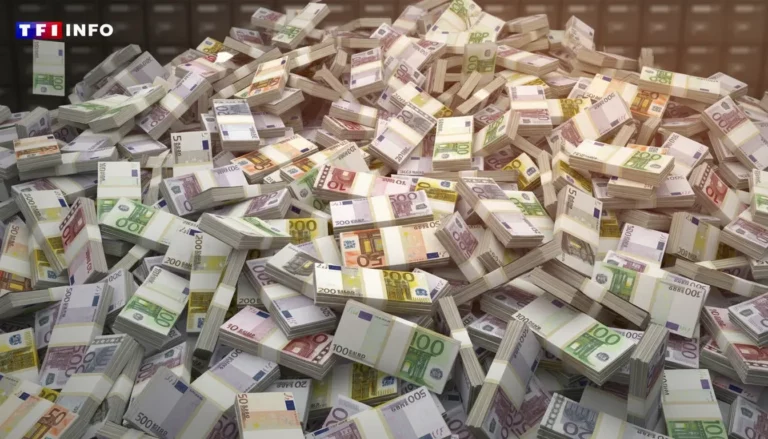
Cash: Old-Fashioned but Still in Circulation
Even though digital payments are taking over—think Apple Pay, Google Pay, or just a casual card tap—cash has not disappeared from the radar. Sure, for big purchases or anything you want a record of, cards and wires make sense. Yet for many small, everyday buys, cash is still the go-to. And some people just prefer to deal in cash, whether it’s a matter of principle or privacy.
But here’s the thing: while society’s moving cashless, laws haven’t erased cash entirely. Using large amounts of it can attract attention, especially if tax authorities are watching for ways people might try to operate out of sight.
How Much Cash Can You Carry or Keep?
Now for the question everyone’s secretly wondering: is there an actual legal limit to how much cash you can have on you or stash at home? The short answer: in France, there’s no law that sets a maximum amount. Theoretically, you could walk around with thousands of euros in your backpack (though you might get a few anxious glances)—and the same goes for keeping cash under your mattress.
But wait, there’s a catch—this freedom only goes so far. Two big things can change how the rule plays out:
- If you’re simply walking the streets in France, there’s technically no cash cap.
- If you’re crossing a border, especially in or out of the European Union, it’s a whole different story. French law (specifically the Monetary and Financial Code) requires anyone entering or leaving a European Union country to declare any value they’re carrying above €10,000 (cash, gold, bearer cheques, money orders, etc.).
And that limit isn’t just for one person. If you’re crossing as a married or civil partnership couple, your combined total counts. The authorities presume both of your stashes are joint property, unless you can prove otherwise (say, with a marriage contract).
Keeping Cash at Home: How Much is Too Much?
Surprisingly, French law sets no explicit limit on how much cash you can store at home. That’s right—if you want to sleep on a literal bed of notes, you technically could. The catch? You need to be able to justify where the cash came from if anyone asks.
If you’re scrupulous in declaring all amounts and their origin to tax authorities, there’s no reason for concern. But in practice, a threshold of €10,000 is usually tolerated. Go above that without documentation, and the justice system may suspect tax evasion or money laundering.
Why the Rules Are a Bit Fuzzy
So, why isn’t there one hard-and-fast rule? It’s because context is everything. If you’re a high earner and authorities find an undeclared €10,000 at your home, they might shrug it off more easily than if you have very modest means—the origin will obviously seem more suspicious in the latter case. They’ll also factor in what other valuables you have on hand (gold, jewelry, fancy furniture, you name it).
Similarly, if you’re taking a stroll with a suitcase stuffed with tens of thousands of euros, you’d better have a good explanation ready if the police stop you for a random check. Otherwise, things could get awkward fast.
In short, you can keep or carry quite a bit of cash in France, as long as you can explain where it came from and, if you’re crossing a border, are ready to declare anything over €10,000. Otherwise, your cash could end up raising more eyebrows than you’d like—and not just from your neighbors.