A fresh start derailed: unexpected guests and a cascade of threats
Carlos Caballero thought he was about to embark on a new chapter. In July, he bought a spacious 2,700 square foot villa (that’s about 250 m², for those keeping score) complete with swimming pool, in Sanlúcar de Barrameda, in the province of Cádiz, Andalusia. But as he prepared to move in, the unexpected happened: two people had already settled in. The surprise soon gave way to confusion, then to the daunting realization that this was the start of a long, tangled ordeal.
The so-called occupants didn’t hide their intentions. Confident that eviction could take years—yes, years—they felt untouchable and set a price for their departure, as if it were a toll booth rather than someone’s home. The owner was having none of it; he refused to pay and immediately started searching for fast legal alternatives. No way was he going to get stuck in endless negotiations or give in to blackmail.
Blackmail, threats, and an illegal “for sale” sign
According to Okdiario, the squatters’ opening bid reached €15,000 (about $16,000 USD), then dropped to €11,000—clearly a bargain, but only in the upside-down world where criminals set the price. Caballero described it plainly: this was blackmail, cold and calculated. The standoff intensified, with each side testing their limits. Meanwhile, the owner meticulously documented every interaction to build a solid, credible case for the authorities.
As if squatting wasn’t enough, neighbors soon tipped off Caballero that an ad was circulating: the house was being put up for sale—as if it actually belonged to the squatters. The tactic was as brazen as it was recent, since the occupation had only just begun. This bit of news spread quickly, alarming the neighborhood and sparking collective concern about a possible fraudulent transaction. Time to sound the alarm: no one wanted to see a fellow local caught in such a sham.
Guardia Civil steps in: scam foiled, but not without scars
The Guardia Civil (Spain’s national police force) acted quickly, putting a stop to the stunt. Officers checked all the evidence, recognized the scam, and neutralized it on the spot. Caballero cooperated fully, providing all documents and proof of his recent purchase. The attempted fraud was blocked—one door closed, but others, far safer, now opened up.
With the authorities involved, the balance of power began to shift. The squatters lost credibility as the timeline became clear and the homeowner’s case grew stronger. The danger of an illegal sale disappeared. Now, it was a matter of getting the keys back and making sure there would be no going backwards.
Returning home: damage, repairs and a hard-fought lesson
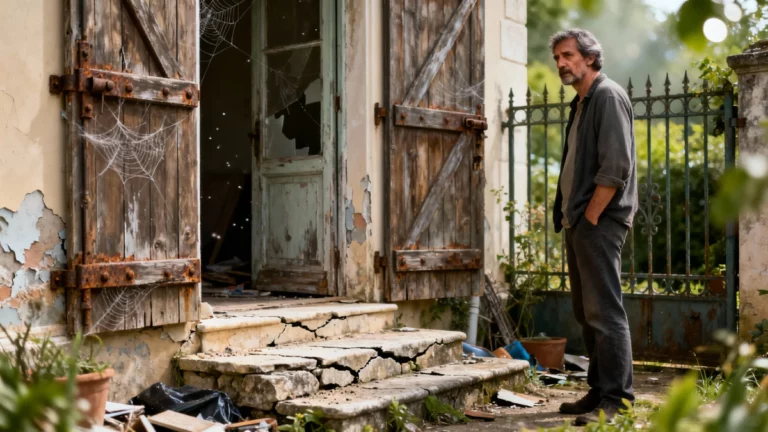
By August, the property was finally restored to Caballero. But the state of the home was a different story: walls damaged, appliances stolen, garbage left everywhere—a costly cleanup lay ahead, with repainting, repairs, and replacements looming large. The house was back in his hands, but it would take time, money and careful planning to make it livable again.
He began the process: planning renovations, prioritizing security, preparing purchases. His goal was simple: make the house a home again, then keep it safe. He got quotes, compared offers, and put together a timeline—measures that would help limit costs and restore a sense of normalcy.
Beyond the superficial damage, this ordeal revealed a method that’s become all too familiar. Well-informed squatters try to exploit perceived gaps in the law. In this case, the vigilance of neighbors and swift police action saved the day, limiting the harm. The owner came out of it shaken, but at last regained control of his property.
- Property, time, money: all of it can slip away in just a few weeks if your home is targeted.
- Financial demands, attempts to resell, and vandalism—all pile up quickly.
- Neighbors, law enforcement and expert legal advice are the keys to limiting the fallout.
The crisis was cut short by collective vigilance; the squatters didn’t get to rewrite the rules—for once. The moral of the story? Act fast, document everything, and get your community involved. It just might save your home—and your sanity.