Parasomnia: the return to the core and the celebration of a living history.
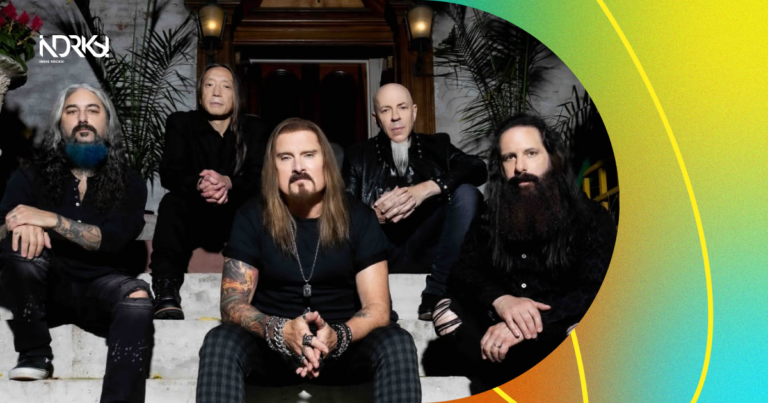
More than 40 years after its formation, Dream Theater It is still a living organism, constantly evolving. With Parasomnia As the central axis of their new tour, the band not only celebrates a new album chapter, but also the return of Mike Portnoy and the reunion with its original creative core. In interview with Indie Rocks!, Jordan Rudess talks about the historical importance of the album, the immersive experience of their concerts, the difference between the studio and the stage, and the human factor that keeps Dream Theater away from monotony.
Indie Rocks!: Among so many celebrations throughout your career and tours, Parasomnia seems to be the main event of this tour. What does this album represent within the entire history of Dream Theater?
Dream Theater: It is a very important album, especially because it marks the return of Mike Portnoy. For all of us it was very meaningful that he came back and joined the band again. We really feel that the original core of Dream Theater met again, and that marked a key moment in our history.
Mike He was away for 13 years, during which time we played with Mike Manginiwho was a wonderful drummer. but when Portnoy He came back, it was like he came home. He founded this band, and that's a huge part of it. We felt he deserved to be back if he wanted to, and now we're celebrating that, along with the 40 years since Dream Theater began. It's something incredible.
GO!: This tour also celebrates 30 years of A Change of Seasonsa fundamental piece for fans. How does it feel to perform it again from the band's current perspective?
DT: That song was written before I joined the band. I have been in Dream Theaterlonger than many fans have been alive. Even so, A Change of Seasons It has become part of me.
It is a very powerful piece and has enormous meaning for Mike Portnoysince he wrote it about the death of his mother. Musically it is epic, with many incredible sections. Over the years, synth sounds have evolved, the production has improved, and I've been able to make it more my own.
On stage he feels very strong, very special. It's a great song Dream Theater and I honestly feel like it's only gotten better with time. It's ripe, solid, and we all love playing it. It's going to be very exciting to bring her back to the stage.
GO!: This tour of Parasomnia aims to be a completely immersive experience. How important is it for the band to build a show that combines narrative, music and atmosphere?
DT: We have always been a band that cares about everything that surrounds music, not just playing it. We highly value our production. We have an incredible lighting designer who has worked with us for years and has an impressive sense of rhythm.
At a show Dream Theaterthe lights are perfectly synchronized with even the most complex rhythmic passages. For this tour we elevated everything even more: amazing videos, lasers, new visuals and some surprises.
If you've seen us before, you'll notice that we're raising the bar again. We always try to make a show better than the last one.
GO!: Mike Portnoy's return generated enormous excitement. How did your return influence the creative dynamic and overall energy of the band?
DT: From the first day we entered the studio together it was as if time had not passed, even though it had been 13 years. We had a clear concept, the idea of Parasomnia was already defined, and Mike he loves working with concepts, connecting ideas, thinking almost like a film director.
From day one we were throwing around musical and conceptual ideas, having a lot of fun. We felt like the heart of the band was back. Even from my perspective as a keyboardist, the piano once again played a central role. We brought a piano yamaha of seven beautiful feet, and we return to that presence of the piano that was so important in albums like Scenes from a Memory.
When we brought all this to the stage, it was even more exciting. People were happy to see Portnoy back, and we felt like we were offering something truly special.
GO!: Mexico is a very important stop for many bands. How does Dream Theater prepare for a concert where new fans, historical fans and different generations coexist?
DT: We've been on tour for over a year, this was our first long break. We have a huge repertoire and Mike Portnoy is responsible for organizing the setlist so that you have a little bit of everything.
By the time we arrive in Mexico we will already be very well tuned and ready to play with all the energy. We are going to be fully prepared to rock the place.
GO!: Jordan, your social networks have become a very active space where you share practice, technology, humor and creative processes. How do you see the evolution of the band's communication with fans?
DT: Each member of the band has a different relationship with social networks. John Myungfor example, doesn't even have accounts. I am very active and I enjoy it a lot.
Something that I love is being able to make a livestream and connect with people from all over the world, improvise, play something calm or progressive, and create that collective musical moment. It's a huge privilege to be able to do it, and it's one of my favorite things about networking.
GO!: After so many years of touring and recording, what is the secret to continuing to create without falling into monotony?
DT: We take our art very seriously, but also the responsibility we have towards each other. This is our work, our way of life. We are adults, we take care of each other and respect each other. Dream Theater It has lasted so long because there is a solid organization behind it: managementequipment, crew. Keeping a band like this alive requires a lot of human effort, and that is reflected in the music and on stage.
When people come to see us, they don't just come for a concert, they come for a story that has been built over decades. That's something no technology can replace.
GO!: What is the difference between Dream Theater in the studio and in a live show?
DT: There is nothing that replaces the public. In the studio we make the music the best we can, but when we take it to the stage and people sing and scream and react, that's when it all makes sense. It is like the materialization of the dream. If we play a song and the audience responds strongly, we know it worked. That's where the music really belongs.
GO!: For those who still don't know Dream Theater, what would be the best song to enter their discography?
DT: It depends a lot on the person. If someone wants something completely crazy and technical, “The Dance of Eternity” It's perfect. If you are looking for something more emotional and from the heart, “The Spirit Carries On” It's ideal. Dream Theater It has those extremes.
GO!: In closing, describe Dream Theater in three words.
DT: Crazy progressive metal.