Anyone who owns a car knows the feeling: you take it in for a quick check-up, only to leave with a bill long enough to rival a shopping receipt at Christmas. And worse — you’re told your car has “serious issues” you didn’t even know existed. It’s enough to make any driver break out in a cold sweat.
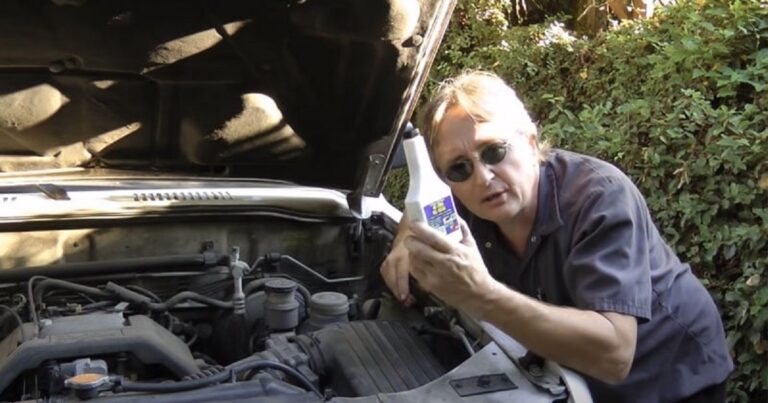
But according to one veteran mechanic, many of these so-called problems are nothing more than cleverly disguised scams. Scotty Kilmer, a no-nonsense American mechanic with over fifty years of experience and nearly six million followers online, has made it his mission to call out shady practices in the automotive world. And recently, he’s exposed one of the most common tricks garages use to overcharge unsuspecting drivers.
The fake oil leak
In a viral video that’s been viewed millions of times, Kilmer reveals a scam that’s surprisingly simple — and alarmingly common. He shows an old car engine, pointing out small traces of oil on the surface. “Now look,” he explains, “there’s oil around the engine, but when you check underneath, there’s nothing dripping. No puddles. That’s how you know it’s not a real leak.”
The problem, he says, is that some garages use this as an opportunity to scare customers. They’ll show you those tiny smudges of oil and claim it’s a serious leak that requires dismantling the engine or replacing multiple seals — a job that can easily cost more than £1,000.
Kilmer’s advice is refreshingly straightforward: a little oil residue doesn’t necessarily mean disaster. “If you don’t see oil on the ground and your alternator’s dry, don’t waste your money,” he says. In other words, if your car isn’t losing oil or showing any signs of actual damage, there’s probably nothing wrong at all.
How to protect yourself
So, how do you avoid falling for this classic con? It comes down to awareness and a few practical habits.
First, learn to read the signs yourself. A genuine oil leak will usually leave visible drips or small puddles under the car after it’s been parked for a few hours. A faint oily mark on the engine, on the other hand, is often the result of age, heat or minor residue — not a catastrophic failure.
Second, always ask your mechanic to show you the issue directly. If something sounds suspicious or expensive, get a second opinion. Independent garages or online car forums can offer invaluable insight. Even consumer watchdogs like the UK’s Motor Ombudsman recommend comparing estimates before approving costly repairs.
Finally, keep up with regular maintenance. An engine that’s serviced on time is less likely to develop the kind of grime or buildup that shady garages use as an excuse for unnecessary work.
Experience matters
Kilmer’s advice may sound simple, but it’s grounded in half a century of experience under the hood. He’s seen every trick in the book, and he knows that fear is often a mechanic’s best sales tool. “They count on you not knowing what you’re looking at,” he warns. “Once you do, you stop being an easy target.”
It’s a reminder that while most mechanics are honest professionals, a bit of knowledge can save you a lot of money. Next time you’re told your car’s leaking oil, take a breath, have a look underneath — and remember: if the floor’s dry, your wallet should be too.