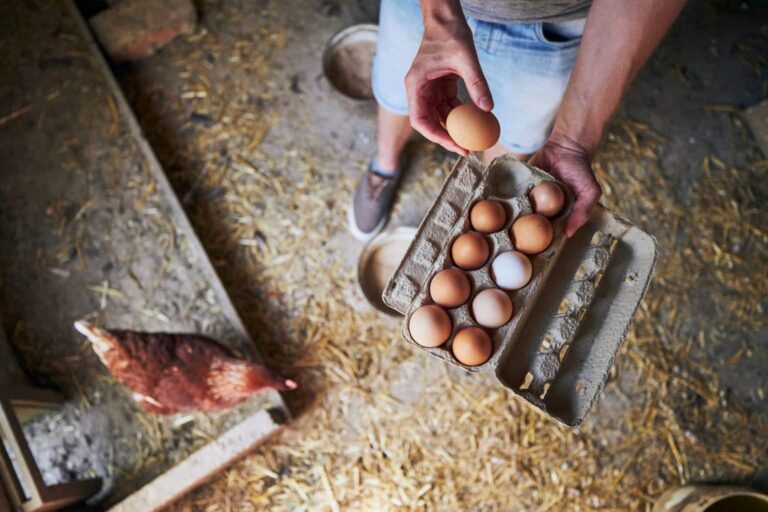
Have you ever dreamed of waking up to a fresh batch of eggs, just waiting to be collected from your very own thriving chicken coop? If you’re envisioning a successful egg-laying operation, it’s important to know that simply having hens isn’t enough to guarantee a bumper egg harvest. Their well-being, diet, and environment play pivotal roles in boosting their egg production. Let me walk you through some of the top tips for ensuring your chickens are happy, healthy, and laying eggs like clockwork.
The Ideal Environment: The Secret to a Thriving Coop
Creating a comfortable, safe environment is the foundation of a productive chicken coop. Here are some key aspects to keep in mind:
- Space for Everyone
Chickens need room to roam, so each hen should have at least 1 square meter inside the coop and 10 square meters outdoors to scratch around in. Crowded conditions can stress your chickens out, leading to a drop in egg production. - Clean and Well-Ventilated Coop
Chickens are sensitive to their living conditions, especially cleanliness. Regularly clean out the coop, change the bedding, and make sure the space is well-ventilated. A tidy and healthy environment helps reduce the risk of respiratory issues and disease. - Cozy Perches and Nesting Boxes
Chickens love a comfortable spot to rest at night. Provide well-positioned perches for roosting and place clean, quiet nesting boxes where they can lay their eggs in peace. A little extra straw in the boxes can help encourage them to use them.
The Power of Nutrition: Boosting Egg Production with the Right Diet
Good nutrition is vital for healthy, high-performing hens. Here’s how you can provide them with a balanced diet that supports strong egg production:
- A Nutritious and Varied Diet
Choose special pellets or grains designed for laying hens. These are packed with the essential nutrients like protein, calcium, and vitamins that hens need to produce eggs. A varied diet will ensure they stay healthy and active. - Natural Supplements
Adding crushed oyster shells to their diet is an excellent way to provide extra calcium, helping to produce sturdy eggshells. You can also feed them kitchen scraps, like fruits, veggies, and stale bread, but avoid salty or greasy foods. - Constant Access to Fresh Water
Water is often overlooked, but hens need access to clean, fresh water at all times. Even mild dehydration can reduce egg production, so make sure their water supply is always topped up.
The Role of Light: A Frequently Overlooked Factor
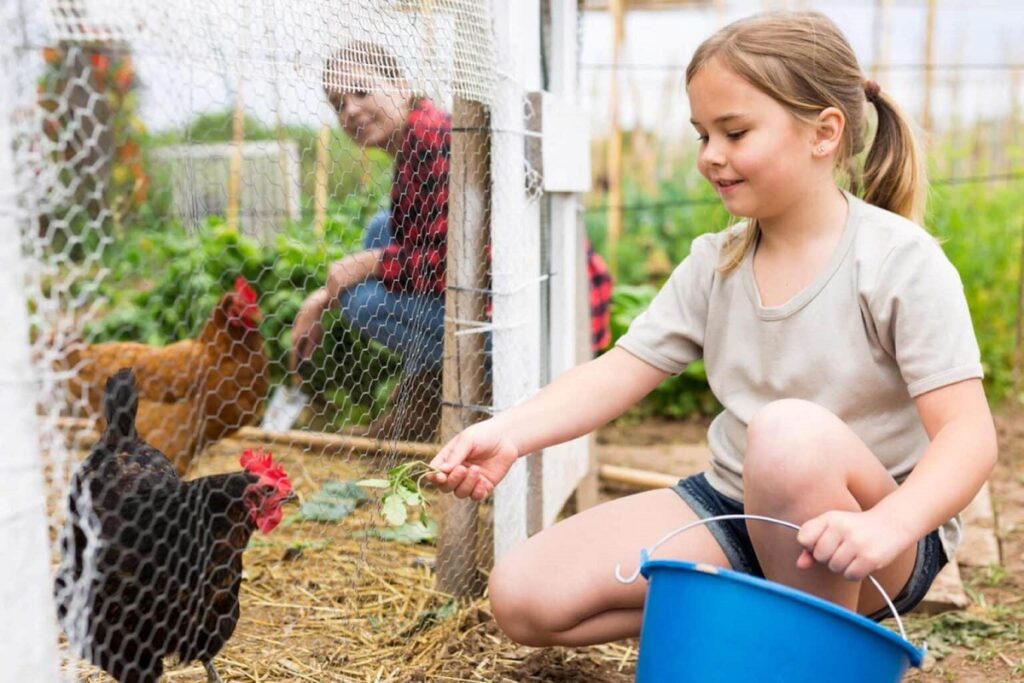
Light plays an underrated role in a hen’s egg-laying cycle. Here’s how you can use light to your advantage:
- Extend Daylight Hours
During the shorter days of winter, adding artificial lighting can help extend the natural daylight hours. Aim for 14-16 hours of light each day to encourage hens to lay more eggs. - Soft Lighting
Chickens don’t like bright, harsh lights. Use soft lighting to avoid stressing them out. A timer can help maintain a consistent lighting schedule, which helps regulate their laying patterns.
Chicken Happiness: The Key to Quality Eggs
A happy hen is a productive hen, and managing their stress is essential for egg production. Here are some tips for improving their well-being:
- Enrichment Activities
Hens love to scratch the ground in search of insects, so provide them with sand or dirt baths to help them clean their feathers and rid themselves of pests. These activities keep them entertained and healthy. - Good Cohabitation
Crowding your coop can lead to squabbles and stress, so it’s important to maintain a stable pecking order. Introducing new hens slowly and in small groups can help keep the peace.
Choosing the Right Breeds for Optimal Egg Production
The breed of hen you choose can significantly impact how many eggs you get. Here are some breeds known for their egg-laying capabilities:
- Rhode Island Red: A reliable layer that can produce up to 300 eggs per year.
- Sussex: Known for being an excellent choice for beginners due to its consistent laying.
- Leghorn: These prolific layers produce high-quality white eggs and are known for their outstanding egg production.
Common Mistakes to Avoid
To ensure your hens are laying as many eggs as possible, here are some mistakes you’ll want to steer clear of:
- Ignoring Pests: Red mites or lice can weaken your chickens. Regularly check for pests and treat infestations promptly.
- Monotonous Diet: A lack of variety in their food can lead to nutritional deficiencies, reducing egg production.
- Neglecting Hygiene: A dirty coop fosters disease and stress, which can all impact egg-laying.
Expert Advice: The Secret to Success
Marc Lefebvre, a seasoned poultry farmer, shares his insight on how to achieve record egg production:
“The key to abundant egg-laying lies in balancing a healthy environment, proper nutrition, and giving your hens plenty of care. They’re sensitive creatures, and their happiness directly influences both the quality and quantity of the eggs they produce.”
Fresh Eggs, Every Morning
By following these tips, your chicken coop could become a veritable goldmine. Healthy, happy, and well-fed hens will reward you with a steady stream of fresh eggs. Imagine transforming your mornings into a joyful egg hunt, whether you’re cooking up a delicious breakfast or simply enjoying the sight of your chickens thriving.
And if you’re feeling inspired, why not share these tips with your friends and neighbors? A happy chicken coop not only leads to a bountiful egg supply but also fosters a stronger connection to nature and a more vibrant garden.