It sounds unbelievable in 2025, but a 12-year-old boy from London is struggling to find a school – not because of grades or behaviour, but because of his hair. Yes, his hair. While most families worry about exam prep or packed lunches, young Farouk James and his mother are fighting a very different kind of battle: one against outdated school rules that still police children’s appearance in the name of discipline.
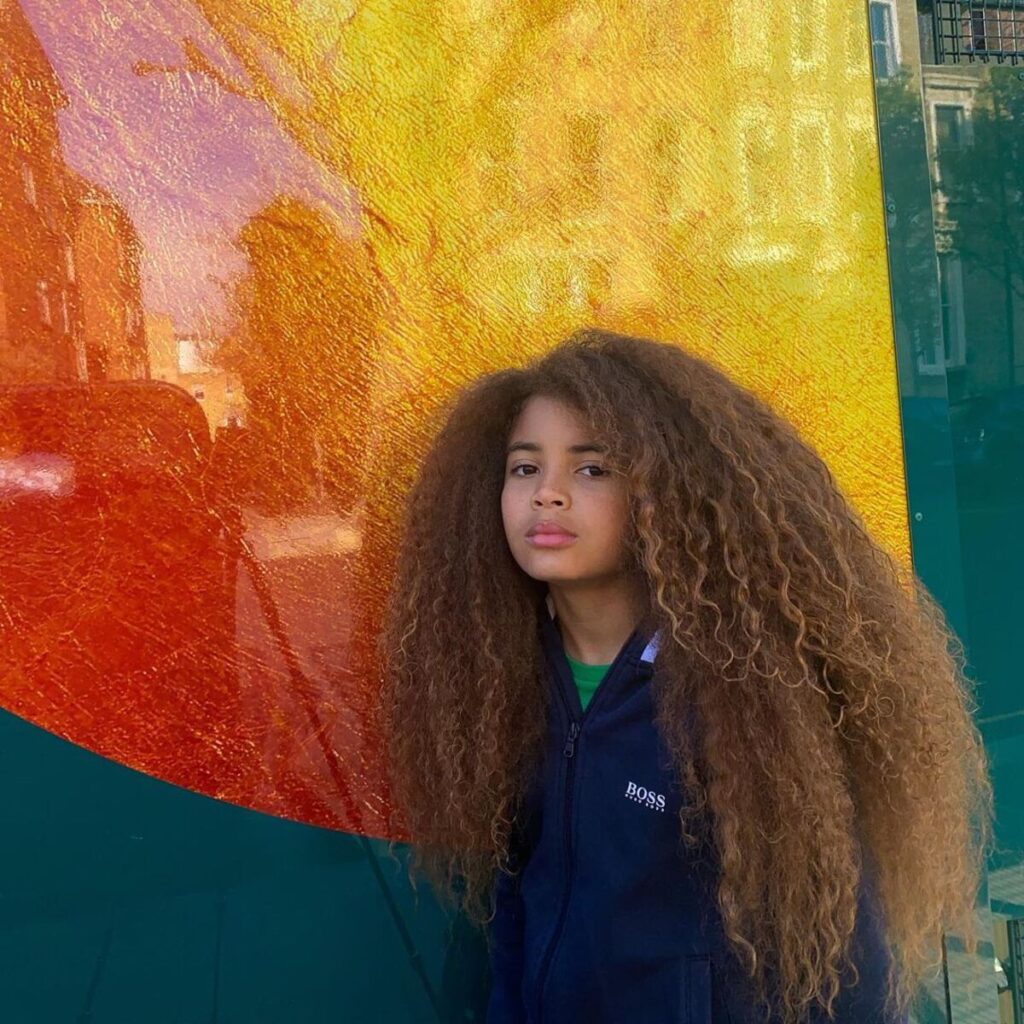
Farouk’s hair isn’t just long – it’s magnificent. A cascade of thick, curly locks that could make even a shampoo advert jealous. It’s also what’s made him a bit of an internet sensation, with thousands following his journey on social media. But his signature look has come at a cost. Several schools have reportedly rejected his applications, telling his mother, Bonnie, that her son must cut his hair short if he wants a place.
A rulebook stuck in the past
The issue, according to Bonnie, is not just about one boy’s hairstyle – it’s about discrimination dressed up as “uniform policy”. ‘If my son were a girl,’ she says, ‘this wouldn’t even be a conversation.’ And she’s right. Many schools still apply appearance rules differently based on gender, even though equality legislation in the UK clearly prohibits such bias.
In Farouk’s case, the message is as tangled as the problem itself: long hair is acceptable on girls, but inappropriate on boys. The Department for Education states that schools have the right to set their own dress codes, provided they are “reasonable and non-discriminatory”. But where does reason end and prejudice begin?
Bonnie has heard it all before. Years ago, her eldest son faced similar criticism for wearing what teachers deemed “too short” a haircut. She hoped attitudes would evolve by now, but as Farouk’s experience shows, some traditions take stubbornly long to fade.
A movement for inclusivity
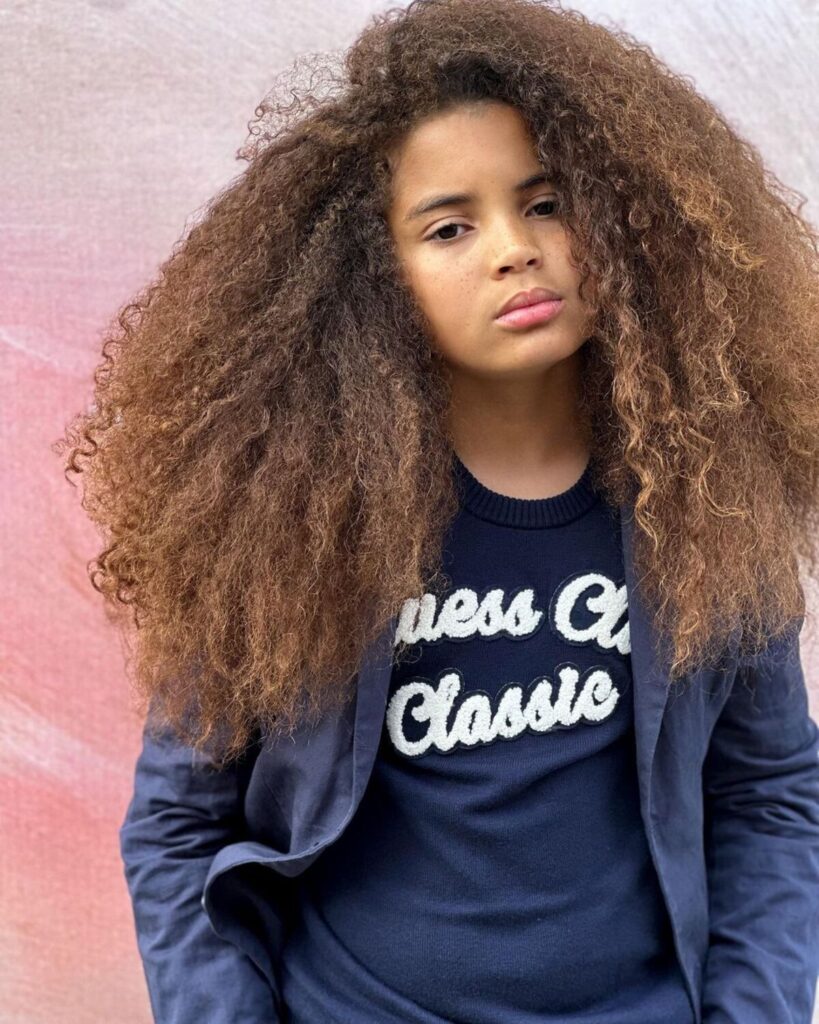
Refusing to let history repeat itself, Bonnie has launched an online campaign called “Generation Mane” – a name as defiant as it is catchy. Her goal is simple: to challenge schools to update their policies and celebrate, rather than punish, children for their individuality.
The campaign has struck a chord, especially with parents of children who wear Afro hair, dreadlocks or cultural hairstyles that don’t fit old-fashioned grooming standards. Supporters argue that these rules often hit Black and mixed-race children hardest, reinforcing subtle but persistent biases about what’s considered “neat” or “appropriate”.
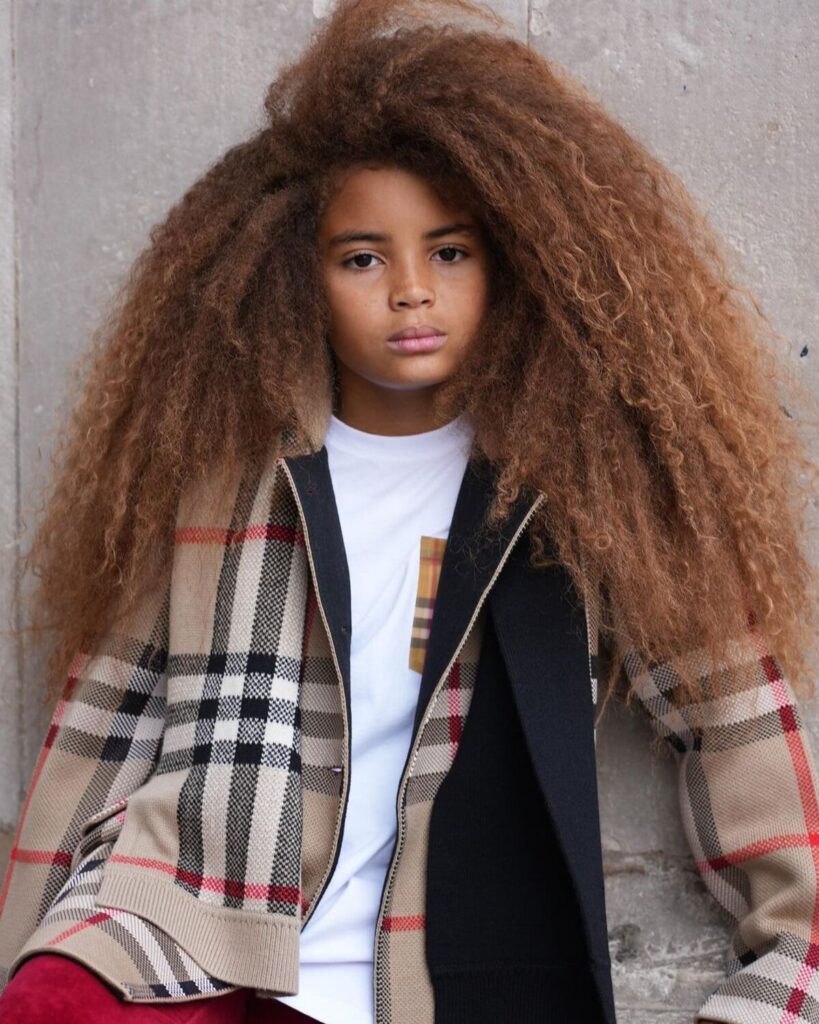
Organisations such as the Equality and Human Rights Commission have previously warned that hair discrimination can amount to racial discrimination under UK law. Yet cases like Farouk’s suggest there’s still a long way to go before those protections are truly felt in everyday life.
More than just hair
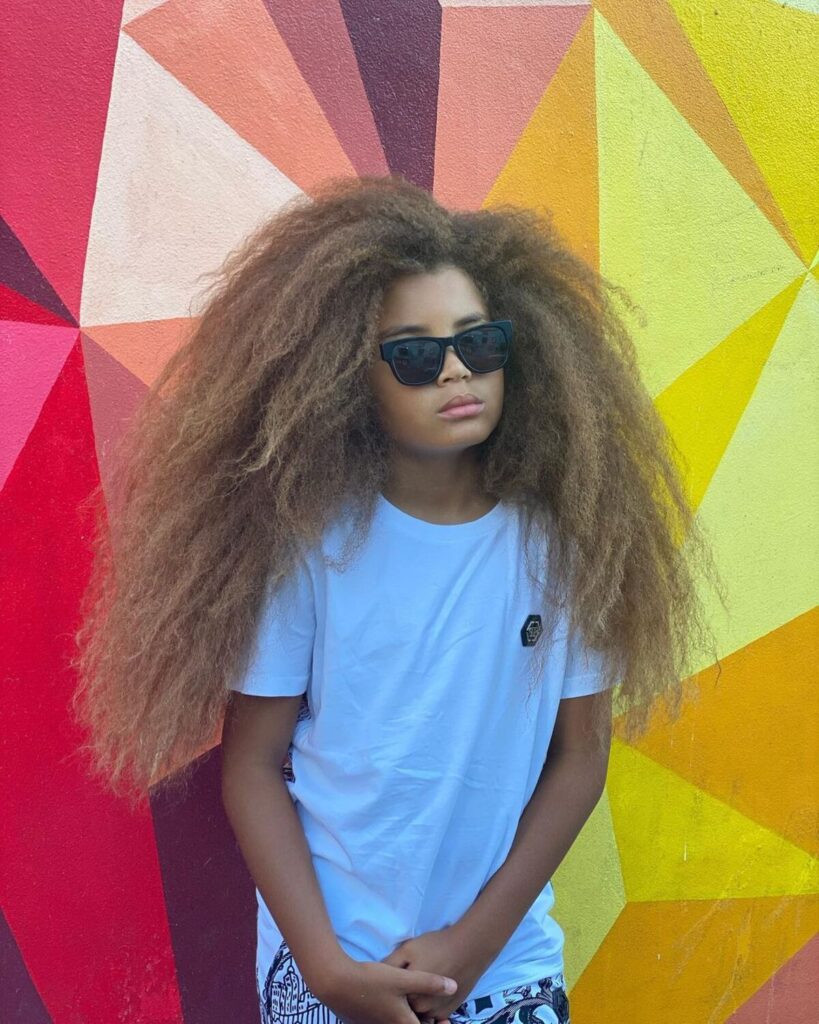
Farouk’s story isn’t about rebellion; it’s about identity. For him, his hair is part of who he is – his culture, his confidence, his creative self-expression. And for his mother, the fight is about ensuring that no child’s education is limited by how they look. ‘Hair has no gender,’ she reminds her followers. It’s a simple message, but one that challenges centuries of norms.
As schools continue to preach about diversity and inclusion, it’s hard to ignore the irony of rules that exclude a child for wearing the hair they were born with. Perhaps it’s time for education to look beyond appearances and focus instead on what really matters – learning, acceptance, and respect.