
As spring rolls in, many of us feel that familiar urge to reset. The heavier meals of winter and skipped gym sessions start to catch up with us, and suddenly the idea of lighter plates and longer walks feels less like a trend and more like a necessity. If you’re looking for a simple, affordable way to refresh your routine, there’s one underrated leafy green worth rediscovering.
A Simple Reset For Body And Mind
By the end of winter, I always notice the same pattern: comfort food becomes a habit, workouts become optional, and energy levels quietly dip. It’s not dramatic — just a slow slide into feeling a little sluggish. Nutrition experts often remind us that consistently relying on highly processed foods can contribute to fatigue, mood fluctuations, and gradual weight gain over time.
The World Health Organization (WHO) has repeatedly emphasized the importance of diets rich in vegetables and whole foods for long-term health. A balanced plate doesn’t require extreme restriction or skipping meals. In fact, severely cutting calories or living on plain lettuce is rarely sustainable.
Instead, adding nutrient-dense foods — sometimes called superfoods — can help support both physical and mental well-being. And one of the most overlooked options might surprise you.

The Ideal Superfood To Support Detox And Weight Goals
Meet watercress.
Often mistaken for spinach at first glance, watercress (specifically the larger-leafed variety) is a peppery, vibrant green that quietly outperforms the orange when it comes to vitamin C. Gram for gram, it delivers slightly more of this immune-supporting nutrient than the citrus fruit most of us associate with cold prevention.

According to the U.S. Department of Agriculture (USDA), oranges provide roughly 47 mg of vitamin C per 100 grams, while watercress offers just over 50 mg per 100 grams. It may seem like a small difference, but it’s enough to earn this leafy green serious nutritional credibility.
But vitamin C is only part of the story.
Watercress is rich in vitamin K, B vitamins including vitamin B6, and key minerals such as iron, calcium, and magnesium. Harvard T.H. Chan School of Public Health notes that vitamin K plays a critical role in bone health, while magnesium contributes to normal muscle and nerve function.
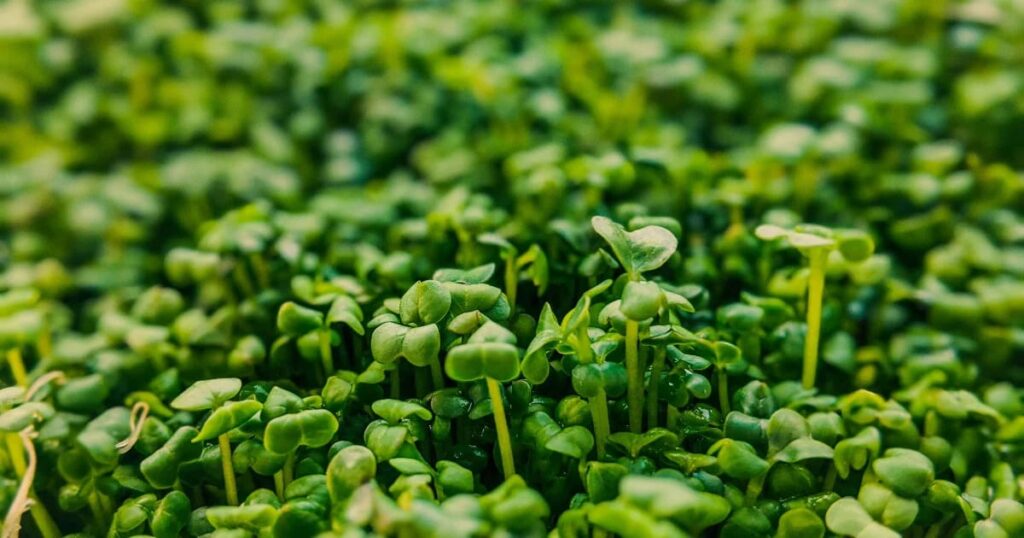
Its fiber content supports digestion — an essential factor for anyone focusing on detox and weight loss. While the body naturally detoxifies itself through the liver and kidneys (as the National Institute of Diabetes and Digestive and Kidney Diseases explains), eating fiber-rich vegetables helps keep that system running smoothly.
Even better, watercress is extremely low in calories. That means you can add volume and nutrients to meals without significantly increasing energy intake — a practical strategy often recommended by dietitians for sustainable weight management.
There’s also emerging research suggesting that antioxidants in cruciferous vegetables like watercress help combat oxidative stress, which is linked to chronic diseases. And on a more everyday level, B vitamins are known to support energy production — something I personally appreciate on busy workdays when coffee alone just isn’t cutting it.
Why you Should Add Watercress To Your Plate
If you’ve never cooked with watercress, it can feel slightly intimidating. I used to associate it with fancy restaurant garnishes rather than everyday meals. But it’s surprisingly versatile.
You can toss it into a mixed salad with roasted potatoes, blend it into a creamy soup, stir it into mashed potatoes, or layer it inside a grilled sandwich for a fresh, peppery bite. Its flavor pairs beautifully with eggs, fish, and soft cheeses.
When shopping, look for dark green, round, fleshy leaves. Freshness matters — watercress wilts quickly and is best eaten within two days of purchase. A simple trick is to place the stems in a glass of water in the refrigerator to extend its life slightly.
The good news? Its season typically runs from April through September, making it a perfect addition to your spring and summer menu.
No single food is a miracle solution. But incorporating vitamin C–rich greens like watercress into a balanced diet can be a smart, simple step toward feeling lighter, more energized, and ready for the warmer months ahead. Sometimes, the most powerful upgrades to our health aren’t dramatic — they’re just leafy, green, and hiding in plain sight.