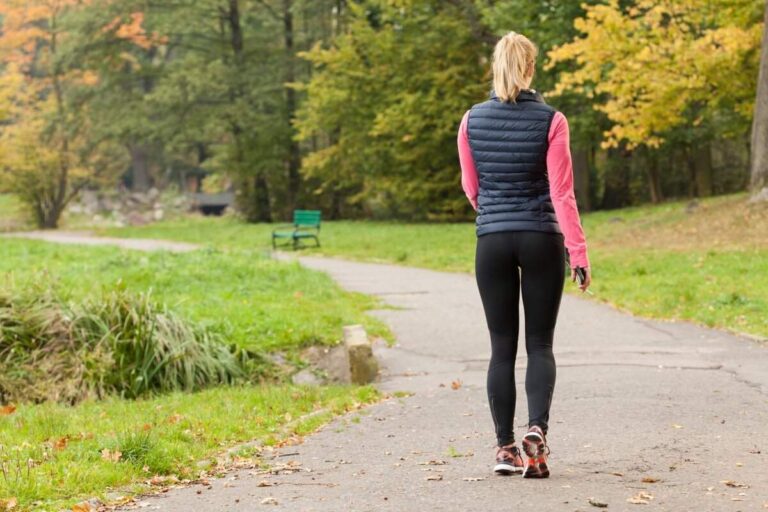
What if losing weight didn’t mean gruelling workouts or giving up every food you love? For many people, the simplest exercise of all—walking—may be enough to shed pounds and boost overall health. No gym membership, no strict meal plan, just a steady pace and a pair of shoes. Scientists and fitness experts agree: when done regularly, walking can transform both body and mind.
How walking helps with weight loss and overall health
Walking may look modest compared to high-intensity workouts, but its benefits are powerful and long-lasting. Here’s why it works:
- Burns calories: Every step increases energy expenditure. While the calorie burn may not rival a spin class, over time it adds up and supports steady weight loss.
- Improves fitness: Walking strengthens the legs and core while enhancing cardiovascular health, reducing the risk of heart disease, obesity, and diabetes.
- Regulates appetite: Studies have shown that regular walking can curb cravings and make it easier to stick to a balanced diet.
- Boosts mood: Like any exercise, walking increases endorphins—those “feel-good” hormones that lift mood and help reduce stress.
The beauty of walking is that it’s accessible to nearly everyone and requires no special equipment.
Factors to consider before setting a target
Not everyone’s ideal walking distance looks the same. A few elements will influence how far you need to go:
- Current weight: The heavier you are, the more calories you burn at the same speed and distance.
- Fitness level: Beginners should start small—short daily walks—and gradually increase distance to avoid injury.
- Weight loss goals: Someone aiming to lose a few pounds might walk less than someone looking for a significant transformation.
- Diet: Walking alone can’t counterbalance an unhealthy diet. Pairing exercise with nutritious meals is key to results.
The best approach is to personalise your plan: start with manageable distances, then increase both speed and length as your stamina improves.
The recommended distance for weight loss
So, how far should you walk if weight loss is your goal? Experts widely recommend 10,000 steps a day—roughly 7 to 8 kilometres. This burns an estimated 300 to 400 calories daily, depending on body weight, age, and pace. Sustained over time and combined with healthy eating, this can help you lose about half a kilo per week.
Of course, this is a guideline, not a rule. Some people will see results with less, while others may need more. The key is consistency—finding a pace and distance you can realistically maintain every day.
Practical tips to fit walking into your life
Busy schedule? You’re not alone. Here are easy ways to hit your step goal without rearranging your life:
- Break it down into short walks throughout the day—morning, lunch, and evening.
- Walk part of your commute—get off the bus a stop early or park further from work.
- Take the stairs instead of lifts or escalators.
- Suggest walk-and-talk outings with friends or family instead of sitting in a café.
- Track progress with a pedometer or fitness app to stay motivated.
Walking is proof that small, consistent actions can lead to remarkable results. By aiming for 10,000 steps a day—or whatever distance feels right for you—you’ll not only lose weight but also improve your health, mood, and energy levels.
So, lace up your trainers, step outside, and let the simplest of exercises carry you towards a healthier you.