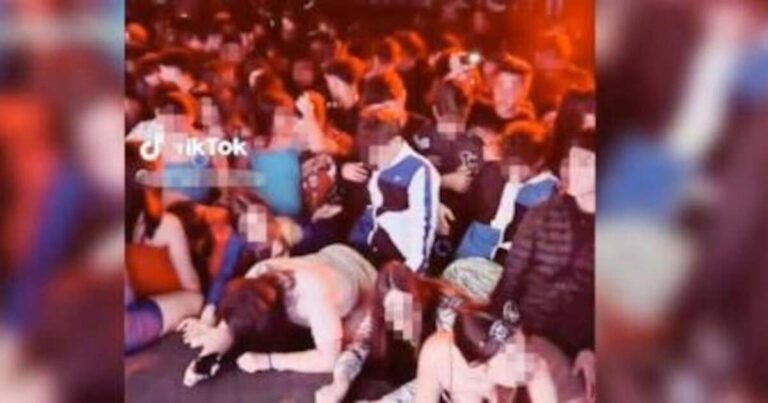
It’s got the rhythm, the moves, and a growing fanbase among teenagers. But for many parents, “perreo” is setting off alarm bells louder than a house party on a school night. This sultry reggaeton-inspired dance is storming the clubs—and TikTok feeds—across Spain, sparking both fascination and concern. While teens are all in, the adults are asking: is it harmless fun, or a step too far for underage dancers ?
A dance craze sparking debate
There’s a new dance turning heads—and not just on the dancefloor. Perreo, a high-energy, pelvic-thrusting style born from reggaeton rhythms, has found enthusiastic fans among teens in Spain. Social media has played its usual role, fanning the flames of virality with a video from a Barcelona club that has parents clenching their jaws and councils checking licences.
The footage in question showed underage partygoers at an afternoon event dubbed “Grand Opening Full Perreo”, fully committed to the choreography. Think leaning forward, grinding back, and you’ll get the gist. The reaction? A mix of amusement, horror, and more than a few “what were they thinking?” retweets.
#Internacional 'Perreo' desatado en una discoteca para niños de 14 años en Barcelona pic.twitter.com/J0J48yTB7u
— MVR Noticias (@MVRNoticias) January 16, 2023
From beats to backlash
To understand why this is causing such a stir, you’ve got to look at where perreo comes from. This is no line dance—it emerged in Latin America as a full-bodied expression of reggaeton’s rhythm and energy. The signature moves? Gyrating hips, lots of physical proximity, and a distinctly suggestive style.
At its core, perreo is just another way to dance—but its overtly sexual style has critics arguing it reinforces troubling gender dynamics, especially when performed by teens. One recurring concern is that it reduces girls to passive participants in a performance that’s more about being watched than expressing joy.
So when a nightclub full of minors takes to the stage, eyebrows go up. The outcry has been loud enough to push the venue to delete the video and scrap a follow-up event.
Teen freedom or adult discomfort?
Yet not everyone is clutching their pearls. A counter-movement has gained traction online, with hashtags like #TodosSomosPampara (We are all Pampara) and #FreePampara emerging in defence of the venue and the dance. For many teens and their defenders, the backlash smells suspiciously like generational snobbery—the same kind that once sneered at the twist, twerking, or even rock ’n’ roll.
Let’s face it—every generation has a dance that shocks the one before. What’s new here is the speed at which a single TikTok clip can explode into a national debate. And while the parental panic is real, it’s worth asking: are we reacting to the moves, or the context in which they happen?
A call for nuance
The truth lies somewhere in between. There’s no denying that perreo is provocative. But condemning the dance outright risks missing the bigger picture—teenagers testing boundaries, exploring identity, and doing what young people have always done: dance like no one (and simultaneously everyone) is watching.
Instead of moral panic, perhaps what’s needed is a bit of honest conversation. About consent, self-expression, and why certain dances make adults uncomfortable. Because banning a dance rarely works—but engaging with it might just teach us something about the world today’s teens are navigating.
So next time you see a viral dance clip, resist the urge to hit the panic button. Instead, maybe ask what it means—and who’s doing the talking.