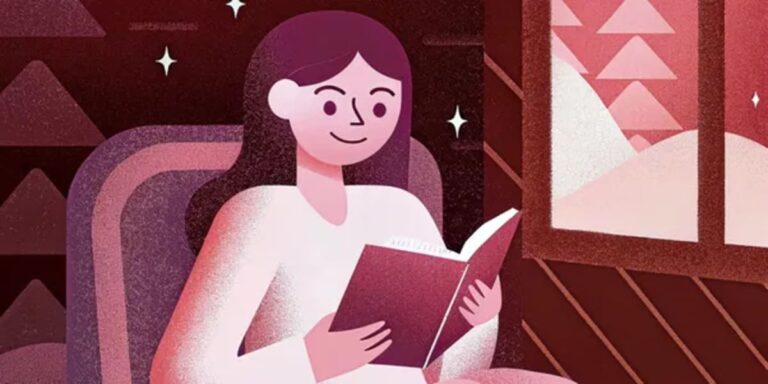
More and more women are rethinking what it means to live a fulfilled life. For many, independence is no longer a compromise – it’s a choice. You don’t have to be a brooding “single woman” stereotype; increasingly, women are embracing solitude because it brings a sense of calm, control and self discovery. And in a world where expectations are shifting fast, that seems like a pretty smart move.
A New Kind Of Freedom
Once upon a time, being single or living alone carried a certain stigma: the unmarried woman, the “Bridget Jones” cliché, the constant reminders about what should come next. But that narrative is changing. Across societies, growing numbers of women are saying that living solo feels liberating rather than lonely. Many find it allows them to build a home that genuinely reflects their tastes, routines and priorities – without compromise.
As one woman explained after moving into her own flat, the joy came not from solitude itself but from the discovery that she was capable of crafting a life that suited her completely. No negotiations over décor. No shared calendars. No quiet resentment over dishes left in the sink. Just her own rhythm.
Research supports this shift. Studies show that single women often report higher levels of life satisfaction, autonomy and personal growth compared with men of the same age. For many, living alone isn’t a last resort; it’s an intentional step towards freedom, clarity and a more authentic sense of self.
What Draws Women To Solitude
The reasons vary, but a few themes come up again and again. Some women step into solo living after a separation and find the experience unexpectedly empowering. Others actively seek it out long before considering long term partnerships.
Living alone allows them to prioritise their careers, friendships and hobbies without constantly having to compromise. It means evenings that unfold exactly as they choose, whether that’s reading in bed at 8pm or cooking something elaborate at midnight simply because the mood strikes.
For many, this lifestyle brings a refreshing sense of peace. Solitude offers space to reflect, to heal, to grow – and to rediscover personal interests that may have been pushed aside in shared living situations. Crucially, women who choose this path often cultivate strong social networks, ensuring they remain connected, supported and socially fulfilled.
The Mental Health Balance
Of course, solitude comes with its own challenges. Research suggests that living alone can increase the risk of loneliness or low mood if social connections aren’t maintained. Some studies have even linked solitary living to a higher likelihood of depression, though this depends heavily on personality, lifestyle and support systems.
For women who thrive in their own company, the key is balance. Solitude should be intentional, not isolating. That means nurturing friendships, joining communities and recognising when it’s time to reach out. When approached mindfully, living alone becomes a catalyst for emotional resilience rather than a threat to it.
Redefining What It Means To Live Happily
What’s clear is that living alone no longer fits the tired stereotype of “the sad single woman”. Instead, it has become a symbol of autonomy, purpose and self respect. Women are rewriting the script: happiness does not require a partner, a shared home or a traditional timeline.
Whether it’s a city studio, a snug suburban flat or a quiet cottage in the countryside, the essence is the same: solitude doesn’t mean being incomplete. It means having the room to design a life that is deeply, unapologetically yours.
And for a growing number of women today, that is not just empowering – it’s exactly what happiness looks like.