Burying the Soviet Past, Rediscovering Kazakh Identity
Kazakhstan is turning the page on decades of Soviet rule by redefining what it means to be Kazakh—and at the front line of this transformation are flashy pop groups. They’re winning over the younger generation, yet they’re also accused of promoting an androgynous image, one that couldn’t be further from the archetype of the classic ‘steppe warrior.’
The Look and Sound of a New Generation
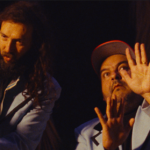
Sporting platinum hair, earrings, bracelets on their wrists, and moving with precision-choreographed techno beats, these five singers might look as if they’ve just landed straight from the K-pop scene in South Korea. But don’t be fooled by appearances. They are not just any K-pop group. With only one letter’s difference, they’re the members of Ninety One, the leading figures of Q-pop—the ‘Q’ standing for Qazaqstan, the name of their country as rendered in Latin letters rather than Cyrillic. Think of them as K-pop’s Kazakhstani cousin, same family, but with a flavor all their own.
From Ayyptama to Outcry: A Divided Nation
Kazakhstan was first introduced to this musical revolution with Ninety One’s debut single, Ayyptama (‘Don’t Blame Me’), back in 2015. After decades under Soviet rule, from 1936 to 1991, one question lingers in the national psyche: What does it mean to be Kazakh? The group Ninety One—whose very name references the year Kazakhstan gained independence—offers an answer through their music, but it’s one that has deeply divided public opinion.
While the music video for Ayyptama thrilled teenagers throughout the country, the rest of Kazakhstan was left in shock. In 2016, protestors in Karaganda, a city right in the nation’s heartland, called out to the band:
“Get out!” and “Shame on you!”
The reaction was so intense that their concert was ultimately canceled.
The controversy didn’t stop there. As a conservative activist bluntly declared in the 2021 documentary Men Sen Emes:
“No parent would want their son to look like a woman.”
Their producer, Yerbolat Bedelkhan, has to admit it: Ninety One “have shaken”… (the sentence is incomplete in the source).