When Taylor Swift released her 12th studio album this month, the world seemed ready to pounce—but even her harshest critics might not have expected the tidal wave of backlash that followed. This wasn’t just a few online trolls or snarky reviews. This was an all-out culture clash, with passionate fans bickering about lyrics and product drops, and critics asking if Swift has lost her magic touch. What is driving this historic swarm of division?
The Merch Avalanche and a Divided First Listen
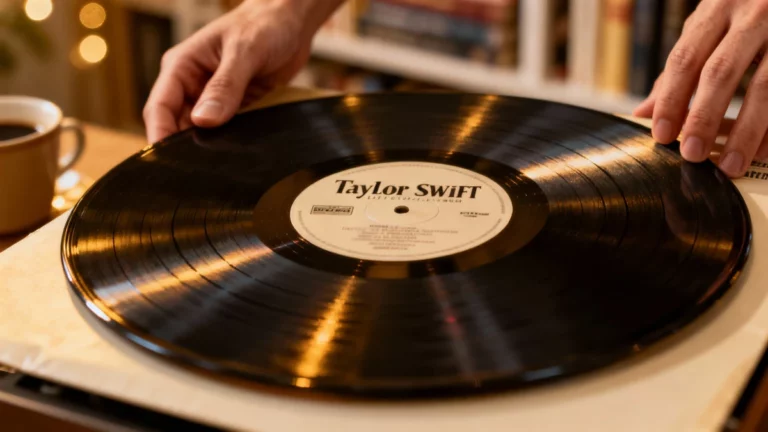
In true pop juggernaut fashion, Swift didn’t just drop an album—she dropped an entire parade of products. We’re talking everything from the “Shiny Bug Vinyl Collection” to the “Showgirl Cardigan Boxed Set.” There was even a Target exclusive, “Crowd Is Your King” vinyl, a hairbrush (that, let’s be honest, probably can’t handle a Swiftie stampede), and a “Tiny Bubbles in Champagne” collection. Many fans felt the excitement drain from their wallets, and, frankly, their hearts, at the prospect of shelling out for yet another exclusive.
But the merch onslaught was just the beginning. The 12 tracks themselves inspired a storm of mixed reactions—from diehard stans and practiced critics alike. Some called the music “cringey” or “disappointing,” claiming her sound was “never less compelling.” Others still found gold in Swift’s signature style. This time, however, even her supporters weren’t afraid to raise eyebrows in public. A backlash of this level, insiders note, is far more intense than during previous eras—yes, even compared to the passionate days of her record-breaking Eras Tour.
Why Now? From Pop Queen to Cultural Battleground
What’s fueling all this drama? The answer is tangled, like Swift’s own lyric sheets. Ann Powers, a music critic at NPR, offers one theory: at the peak of her success, Swift may be playing the villain on purpose. Powers sees Taylor clinging to a giant cultural pendulum, swinging back and forth as she becomes an avatar for our society’s collective anxieties and dissatisfactions.
But there were two specific sparks this time:
- The explosion of merchandise variants made some feel Swift’s album was less a creative event and more a mega-corporate rollout.
- Upon release, a leak of lyrics from the song “Actually Romantic” (rumored to target Charli XCX) added fuel to the conflict—casting shadows before the album could win hearts in its own right.
Some believe the leak’s timing soured first impressions, undermining how the record was received.
Complicating matters further, chatter around Swift’s immense wealth and her continued positioning as the “underdog” has grown louder. The conversation isn’t just about music anymore; it’s about privilege, authenticity, even the American wealth gap. And as Powers points out, this coincides with broader backlash against wealthy Americans.
From Self-Reflection to Self-Representation
A recurring question rises: Can artists still make great art when they’re no longer struggling? Swift’s album faces the same pushback Beyoncé experienced when, in “Cowboy Carter,” she referenced being overwhelmed and overworked—a glimpse into the hardships of the super-successful that seemed, to some, out of touch.
But Beyoncé responded by connecting her story to collective struggles—history, racism, community uplift. She has made her music bigger than herself. In contrast, Swift’s superpower (and perhaps her Achilles’ heel) is her devotion to deeply personal, autobiographical lyrics. While some might see this as navel-gazing, others argue there’s virtue in honesty—even if it doesn’t “grow” with each album the way critics expect.
Does being a pop star require constant personal evolution? Powers wonders if we ever asked such questions of rock legends like Mick Jagger. Is it fair to expect every record to mark an obvious milestone of self-improvement? Not necessarily, she contends—and she’s fine with artists who keep writing about adolescence long after their teenage years are over.
The Narrative, the Noise, and Swift’s Road Ahead
It’s easy to pin the avalanche of merchandise on a cash grab, but Powers doesn’t see it that way. “Does she need the money? Obviously not. She’s a capitalist,” Powers admits, but insists Swift is far more interested in owning her narrative than inflating her bank account. Her music, Powers argues, is at the center of everything for Swift.
Ultimately, Swift herself has been graceful in the face of the uproar, telling Apple Music’s Zane Lowe, “I have a lot of respect for people’s subjective opinions on art. I’m not the art police.”
So, is this backlash just a stop on Swift’s ever-winding road? Powers thinks so. Maybe it’s a “marker on the highway”—a chance for Taylor to claim, “Hey, I’m happy now. I’m in control.” If fans and critics have doubts, maybe that’s all part of this phase. Where will she steer next?
For now, one thing’s certain: when Taylor Swift drops a record, she doesn’t just spark a debate—she becomes the debate itself. Buckle up, the pendulum hasn’t finished swinging yet.