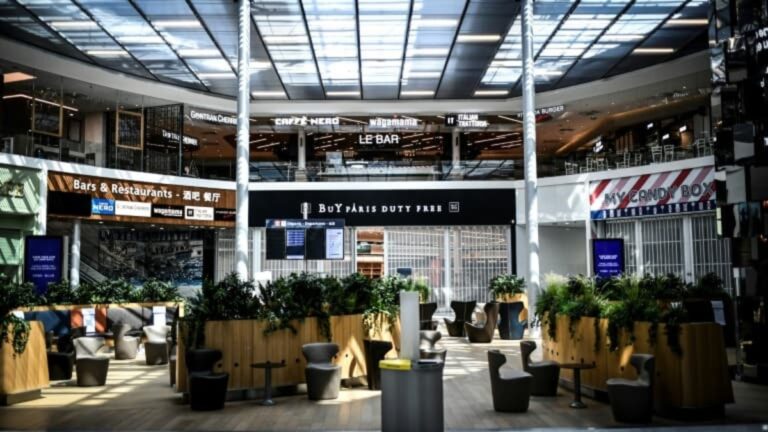
Once a highlight of every airport journey, duty-free shopping seems to have lost its sparkle. Once upon a time, travellers queued up for perfume, chocolates, and whisky at tax-free prices before boarding their flights. But today, fewer people are even stopping by. According to a new study, the global duty-free market has plunged by 13% since the pandemic—despite air traffic nearly returning to pre-Covid levels.
From travel tradition to passing interest
A few years ago, wandering through duty-free shops felt like part of the ritual of flying. You’d sample fragrances, grab a box of Toblerone, or stock up on cigarettes “because it’s cheaper here.” But recent research by consulting firm Kearney shows that only 5 to 10% of travellers now make a purchase in airport duty-free shops—compared to 40 to 60% of shoppers in traditional malls.
Globally, the average spending per traveller has dropped from $24 in 2019 to just $15 in 2024, a decline of almost 30%. The total sales value reached $74 billion last year, still far from pre-pandemic highs. In other words, what was once an airport goldmine has become a waiting-room curiosity.
Prices up, patience down
So what happened to all those “great deals”? The truth is, travellers no longer believe duty-free equals cheaper. About two-thirds of passengers surveyed said they were dissatisfied—either with prices (50%) or the range of products available.
Two key trends have changed spending habits. First, global inflation has squeezed budgets across the board, and second, airfare prices have soared since the pandemic. For many passengers, buying a luxury perfume before takeoff simply feels less essential than it once did.
Then there’s the question of time. Airport security lines, digital boarding passes, and shorter layovers mean that travellers—especially those from younger generations—spend less time browsing and more time scrolling. For many Millennials and Gen Z passengers, the airport isn’t a shopping mall; it’s a place to charge a phone and grab a coffee.
The experience gap
Interestingly, younger travellers don’t necessarily want lower prices—they want better experiences. According to the Kearney survey, 77% of Millennials and Gen Z say the shopping experience itself is the most important factor in deciding whether to buy at duty-free. They value personalised service, exclusive items, and interactive spaces far more than the promise of a discount.
It’s a clear wake-up call for airport retailers. Duty-free has long relied on the old model of bright lights, glossy counters, and standardised product displays. But today’s travellers expect something closer to what they find in flagship stores or boutique pop-ups—immersive, tech-driven, and maybe even Instagram-worthy.
How airports can win back shoppers
Experts believe the path forward lies in blending technology with creativity. Kearney’s findings suggest that 37% of travellers would be more likely to shop if airports offered exclusive products, and 17% would buy more if home delivery were an option. Meanwhile, 32% said the quality of the in-store experience directly affects their decision to spend.
There’s also room to rethink how airports use data. Retail analysts recommend stronger collaboration between airlines, brands, and digital partners to tailor offers to individual passengers. Imagine getting a personalised notification after check-in with an offer for your favourite skincare brand—or having pre-ordered duty-free goods waiting at your gate.
Reinventing the terminal experience
If the duty-free sector hopes to recover, it must transform itself from a corridor of overpriced goods into a destination worth exploring. That means better pricing, but also more creativity—think tasting bars, relaxation lounges, or limited-edition collections you can only buy before boarding.
In short, the airport of the future will have to work harder to earn passengers’ attention. Because if travellers are no longer buying out of habit, the industry’s survival depends on giving them a reason to stop, look, and maybe—just maybe—shop again.