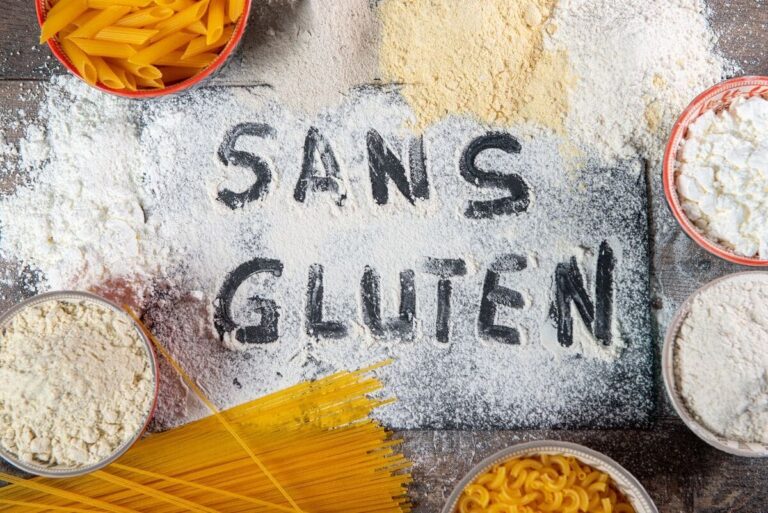
For many people, cutting out gluten can feel intimidating at first. Bread, pasta, pastries – these staples are deeply woven into everyday meals. Yet for those living with coeliac disease, wheat allergy, or gluten sensitivity, avoiding gluten is not just a trend but a medical necessity.
The good news is that going gluten-free today looks very different from a decade ago. With better ingredients, improved recipes and a growing market of specialised products, it is now entirely possible to maintain a varied, satisfying diet without sacrificing flavour.
Gluten-free grains and flours
Gluten is a protein naturally found in wheat, barley and rye. It is what gives bread dough its elasticity and helps it rise during baking. According to the Celiac Disease Foundation, about 1% of the global population is affected by coeliac disease, while many more people report some form of gluten sensitivity.
Fortunately, several grains and seeds offer excellent gluten-free alternatives.
Rice is perhaps the most familiar option. It works well in countless forms – from white and brown rice to wild rice and arborio. I once stayed with friends who had switched to gluten-free cooking after a diagnosis, and rice-based dishes quickly became their culinary backbone. Risottos, stir-fries and even rice flour pancakes filled their weekly menu.
Corn is another versatile staple. Whether enjoyed as polenta, cornmeal or tortillas, it naturally contains no gluten. It also adds a slightly sweet flavour that works well in savoury dishes.
Quinoa has gained popularity in recent years, and for good reason. Technically a seed rather than a grain, it is rich in protein and fibre while remaining completely gluten-free. Nutrition experts from the Harvard T.H. Chan School of Public Health often highlight quinoa as a nutrient-dense alternative to refined grains.
Buckwheat is another surprising option. Despite its name, it has nothing to do with wheat. It is widely used in gluten-free pancakes, noodles and rustic breads.
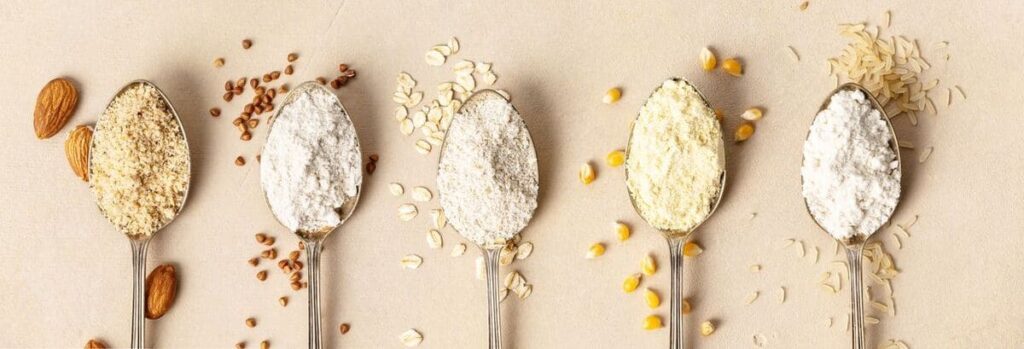
When it comes to baking, several gluten-free flours can replace traditional wheat flour. Popular choices include rice flour, almond flour, chickpea flour, coconut flour and buckwheat flour. Many recipes combine two or three types to achieve the right texture.
Gluten-free bakery products
A few years ago, gluten-free bread had a reputation for being dense and crumbly. Thankfully, that is no longer the case.
Today, supermarkets and speciality bakeries offer an impressive range of gluten-free bread, cakes and pastries. Most gluten-free breads rely on blends of alternative flours combined with binding agents that mimic the structure gluten normally provides.
In practice, this means that gluten-free loaves now toast properly, sandwiches hold together, and pastries can actually taste… well, like pastries.
Gluten-free pasta is another widely available option. It is typically made from rice, corn or quinoa flour and comes in many familiar shapes. A chef I once interviewed joked that the real test of gluten-free pasta is whether Italian grandmothers approve. Some brands are getting surprisingly close.
Pastries have also improved dramatically. Bakeries increasingly produce cakes, biscuits and tarts designed specifically for gluten-sensitive customers. In many cases, the difference in taste is barely noticeable.
Gluten-free ready-made meals
Cooking every meal from scratch is not always realistic. Thankfully, the growing demand for gluten-free food has encouraged manufacturers to expand their ready-meal offerings.
Many brands now sell gluten-free pizza, usually made with crusts based on rice or corn flour. Some supermarkets also offer ready-made bases that allow you to assemble your own pizza at home.
Asian cuisine can also provide naturally gluten-free options. Rice-based dishes, stir-fries and many curries contain no gluten by default. The key detail to watch is sauces. Traditional soy sauce contains wheat, but gluten-free versions made from fermented rice or soybeans are widely available.
Soups and stews are another convenient category. Many vegetable or meat-based recipes are naturally gluten-free, but it is still important to check labels carefully. According to the U.S. Food and Drug Administration (FDA), gluten can sometimes appear in processed foods through thickeners, flavourings or broths.
Gluten substitutes for baking
One of the biggest challenges in gluten-free cooking is recreating the structure that gluten normally provides. Without it, dough can crumble or fail to rise.
That is where binding ingredients come into play.
Xanthan gum is one of the most common solutions. It works as a stabiliser and thickener, helping gluten-free dough behave more like traditional dough. Guar gum performs a similar function and is derived from a different plant source.
Another popular ingredient is psyllium husk. This soluble fibre absorbs water and helps bind ingredients together, creating a softer crumb in gluten-free bread.
Home bakers also often use chia seeds or flax seeds mixed with water to form a gel-like mixture. This technique can replace both eggs and gluten in certain recipes.
Some recipes also incorporate plant-based protein powders, such as pea protein or rice protein, to improve structure and texture in gluten-free baked goods.
Finding what works for you
Adopting a gluten-free lifestyle is often a process of experimentation. Some people prefer naturally gluten-free ingredients like rice and quinoa, while others rely more on specialised bakery products.
The key is to approach the change with curiosity rather than restriction. Try new flours, explore different cuisines and adapt favourite recipes.
As organisations such as the National Institutes of Health (NIH) note, a carefully planned gluten-free diet can still be balanced, varied and nutritionally complete. And once you discover the alternatives that work for you, gluten-free eating can feel less like a limitation and more like a culinary adventure.
After all, some of the best meals I have tasted – from buckwheat crêpes in Brittany to fragrant Thai curries – just happened to be gluten-free all along.