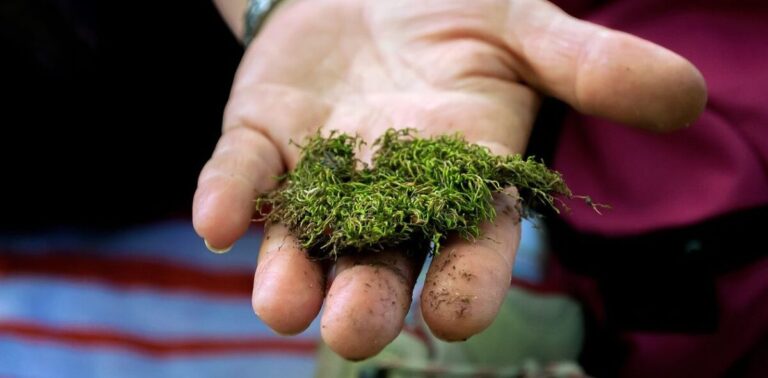
A lush green lawn is often the pride of a backyard. But if you have ever stepped outside in spring and noticed patches of spongy green foam spreading across the grass, you are not alone. Lawn moss can appear surprisingly quickly, especially after a wet season. The good news is that gardeners have several simple techniques to remove it and keep grass healthy. With a few practical habits and a little patience, even a moss covered lawn can bounce back to life.
Why moss forms on your lawn
Moss does not appear randomly. In most cases, it is a sign that the lawn environment favors it more than grass.
Excess moisture is one of the most common causes. If soil stays damp for long periods or drainage is poor, moss thrives. Lack of sunlight is another factor. Shaded areas under trees or beside fences often create the perfect conditions for moss to spread.
Compacted soil can also play a role. When soil becomes too dense, air and nutrients struggle to reach the roots of the grass. According to the Royal Horticultural Society, poor soil aeration is one of the main conditions that encourages moss growth in lawns.
In short, moss often signals that the lawn needs a little extra care.
Scarify the soil
One of the most effective ways to tackle moss is a process known as lawn scarification.
Scarifying involves lightly raking or scratching the surface of the lawn to remove moss, thatch, and weeds. Gardeners often use a special rake or a mechanical scarifier for this task.
The process may look a bit rough at first. I remember trying it in my own yard one spring and worrying I had ruined the lawn completely. But within a few weeks, fresh grass shoots began to appear in the cleared spaces.
Scarifying allows air and sunlight to reach the soil more easily. It also helps the grass breathe and grow stronger, which naturally limits future moss growth.
Try wood ash as a natural solution
A surprisingly simple remedy involves something many households already have: wood ash.
Sprinkling a light layer of ash over the lawn can help regulate the soil’s pH level. Moss tends to grow in more acidic soil, while grass prefers conditions that are slightly more balanced.
Because wood ash contains alkaline properties, it can gently shift the soil environment in favor of grass rather than moss. Gardeners often leave the ash on the lawn for about a week before mowing.
As with any garden treatment, moderation matters. Too much ash can disrupt soil balance, so a light sprinkle is usually enough.
Aerate your lawn with special shoes
Another practical technique is soil aeration.
Aeration improves lawn health by allowing water, air, and nutrients to penetrate deeper into the ground. Some gardeners use dedicated tools, while others prefer aeration shoes fitted with small spikes.
These shoes create small holes in the soil as you walk across the lawn. It may sound simple, but the effect can be impressive. By opening the soil structure, aeration reduces compaction and encourages stronger grass roots.
Healthier grass naturally competes with moss and gradually takes back the space.
Choose grass seeds for shaded areas
Shaded parts of a yard often struggle to maintain thick grass coverage. These areas are especially vulnerable to moss.
One solution is to plant shade tolerant grass seed designed specifically for low light conditions. Garden centers commonly offer seed blends created for these challenging spots.
By choosing the right type of grass, you can strengthen the lawn’s ability to grow even where sunlight is limited.
Use anti moss products when needed
Sometimes moss becomes too widespread to remove manually.
In these cases, gardeners may use moss control products available in garden stores. These treatments are typically easy to apply and can quickly reduce moss growth.
However, experts recommend carefully following the product instructions to avoid damaging the surrounding lawn.
The Environmental Protection Agency also advises homeowners to use lawn treatments responsibly and only when necessary to minimize environmental impact.
How to prevent moss from returning
Removing moss is only half the battle. Preventing it from coming back is just as important.
Regular lawn maintenance can make a big difference. Aerating the soil from time to time helps prevent compaction. Improving drainage by adding materials like sand or organic matter can reduce excess moisture.
If your soil is overly acidic, adjusting its pH can also help discourage moss growth.
Finally, keeping an eye on your lawn in early spring allows you to act quickly if small patches begin to appear. Catching moss early makes it far easier to control.
With the right approach, a lawn that once looked dull and patchy can quickly become a thick, vibrant carpet of green again.