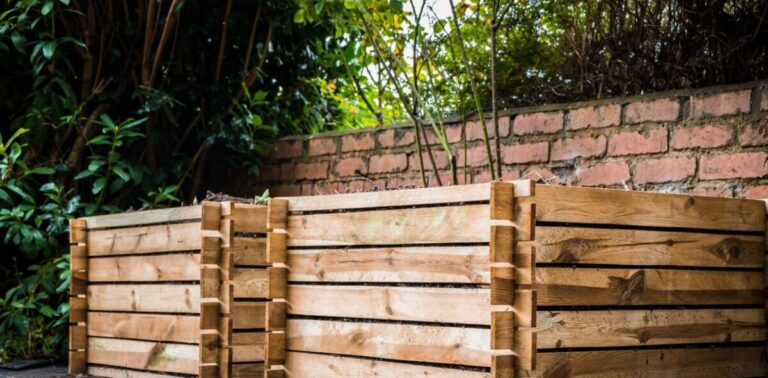
Starting a compost pile often feels like one of those good intentions many people have at the beginning of a gardening season. The idea is simple: turn everyday kitchen scraps into rich, natural fertilizer. But anyone who has tried composting at home knows it can quickly become confusing. Should the pile be wet or dry? Why does it smell? And what exactly belongs in it?
The truth is that home composting does not require complicated tools or scientific expertise. What it really needs are a few consistent habits. With the right balance of materials, moisture, and air, your compost pile can quietly transform leftovers into a nutrient rich resource for your garden.
Choose the right location for your compost bin
Location plays a bigger role than many beginners expect.
A compost bin should ideally be placed in a sheltered area where it is protected from strong winds and extreme weather. Organic materials need moisture and airflow to break down properly, but too much wind can dry out the pile and slow the process.
Shade is also helpful. Direct sunlight may seem beneficial, but too much heat can cause the compost to dry out faster than expected.
There is another practical consideration many gardeners learn the hard way: distance from the house. A poorly managed compost bin can attract flies or produce unpleasant smells. Keeping it a reasonable distance from living spaces and neighboring homes helps avoid unnecessary complaints.
According to the Environmental Protection Agency, compost bins also work best on well drained soil that allows air and moisture to circulate naturally around the pile.
Use a balanced mix of organic materials
Successful composting relies on balance.
The microorganisms that break down organic matter need two types of ingredients to do their job effectively. Gardeners often refer to these as “greens” and “browns.”
Green materials include food scraps, vegetable peels, fruit leftovers, and coffee grounds. These provide nitrogen, which fuels microbial activity.
Brown materials such as dry leaves, cardboard, and shredded paper provide carbon. They help maintain structure in the pile and prevent it from becoming overly wet.
One gardening friend once described composting to me as cooking a recipe for soil. Too many greens, and the pile becomes soggy and smelly. Too many browns, and decomposition slows to a crawl.
A roughly even mix of both keeps the process moving smoothly and produces healthier organic fertilizer.
Introduce helpful microorganisms
Much of the real work in composting is done by microscopic organisms.
Bacteria, fungi, and other tiny life forms break down plant matter and release nutrients back into the soil. Many of these organisms occur naturally in garden soil and plant material.
Adding healthy garden waste or organic fertilizers to your compost can help introduce these beneficial microbes. Some gardeners also use specially formulated microbial products designed to accelerate decomposition.
The US Department of Agriculture notes that microorganisms thrive when compost piles contain diverse organic materials and enough moisture to support biological activity.
In simple terms, the more active life inside the pile, the faster your compost develops.
Maintain the right moisture and temperature
Moisture is another critical factor.
A compost pile should feel similar to a damp sponge. If it becomes too dry, microbial activity slows dramatically. If it becomes too wet, oxygen disappears and unpleasant odors can develop.
Gardeners often maintain the right moisture level by lightly watering the pile or adding dry materials when needed.
Temperature also plays an important role. Healthy compost piles can reach temperatures between 120°F and 150°F during active decomposition. This warmth helps break down organic matter and destroy unwanted pathogens.
Using a simple compost thermometer can help track these changes and ensure the pile remains active.
Turn the compost regularly
Turning the compost is one of the easiest ways to improve results.
By mixing the materials occasionally, you introduce oxygen that feeds the microorganisms responsible for decomposition. Without oxygen, the pile can become compacted and slow down.
Many gardeners turn their compost once a month using a garden fork or shovel. Larger compost systems may require more thorough mixing to ensure all materials break down evenly.
However, moderation is important. Turning the pile too frequently can cause moisture loss and temperature fluctuations that interfere with the natural composting cycle.
Use compost wisely in your garden
When compost is fully ready, it looks dark, crumbly, and smells pleasantly earthy.
This finished nutrient rich compost can be used in several ways. Gardeners often spread it around flower beds, mix it into vegetable gardens, or use it to enrich soil in planters.
It also works well as a natural mulch, helping soil retain moisture and improve structure over time.
One small tip many gardeners overlook is moderation. While compost is incredibly beneficial, applying too much can overwhelm plant roots or alter soil balance.
Used thoughtfully, compost becomes one of the most effective tools for improving soil health and supporting thriving plants.
Beyond the practical benefits, composting offers something else as well: a quiet sense of satisfaction. Watching everyday scraps transform into fertile soil is a reminder that even small habits can make a meaningful difference for both the garden and the environment.