Growing zucchini can feel wonderfully rewarding, right up until the plant turns into a leafy jungle and gives you three sad little vegetables for your efforts. The secret to a better harvest is not always more fertilizer or constant fussing. Often, it comes down to planting the right companions nearby. With smart companion planting, zucchini plants can benefit from better pollination, healthier soil, and natural pest protection.
Why companion planting helps zucchini grow better
Companion planting is the simple idea that certain plants grow better together. Some attract helpful insects, some improve soil quality, and others help keep pests away.
For zucchini, this matters because the plants are hungry, fast growing, and heavily dependent on pollination. The more bees and other pollinators visit the flowers, the better your chances of seeing plenty of fruit.
The University of Minnesota Extension notes that squash plants need pollinators to move pollen from male to female flowers for fruit to develop. In other words, no pollination, no zucchini. Very dramatic for such a cheerful looking vegetable.
1. Nasturtiums to help keep pests away
Nasturtiums are a favorite in vegetable gardens because they are beautiful, easygoing, and useful. Their bright flowers can attract pollinators, while also helping distract or deter common pests such as aphids and whiteflies.
Plant them near the base of zucchini, leaving enough space so they do not crowd the main plant. Around 12 inches is a practical distance.
They also bring a relaxed cottage garden look to the vegetable patch, which is handy if your zucchini leaves are beginning to resemble a small rainforest.
2. Basil for fragrance and natural protection
Basil is another excellent neighbor for zucchini. Its strong scent may help confuse certain pests, and it has the obvious bonus of being useful in the kitchen.
There is something deeply satisfying about picking zucchini and basil from the same garden bed and pretending dinner was planned all along.
Basil prefers warmth and sun, much like zucchini, so the pairing makes sense in a sunny garden. Just avoid planting it so close that the zucchini leaves completely shade it.
3. Marigolds for healthier soil and fewer pests
Marigolds are often used by gardeners as natural pest helpers. They are commonly planted near vegetables because they may help reduce certain nematodes in the soil and attract beneficial insects.
The University of Florida IFAS Extension has noted that some marigold varieties can suppress certain root knot nematodes when used correctly in garden systems.
For zucchini, marigolds are a smart border plant. They add color, support natural pest control, and do not demand much attention once established.
4. Beans and peas to enrich the soil
Legumes such as beans and peas are useful because they work with bacteria in the soil to fix nitrogen. Zucchini needs rich, fertile soil, so growing legumes nearby can support a healthier growing environment.
That said, avoid overcrowding. Zucchini needs room, airflow, and sunlight. If you are growing climbing beans, give them their own support so they do not tangle with zucchini stems.
This is a partnership, not a wrestling match.
5. Lettuce and spinach to protect the soil
Lettuce and spinach can work well around zucchini early in the season. They grow quickly and help cover the soil, keeping it cooler and reducing moisture loss.
Since zucchini eventually spreads wide, these leafy crops are best harvested before the plant becomes too large. Think of them as the opening act before zucchini takes over the stage.
They also make good use of space, especially in small gardens where every square foot counts.
6. Pollinator friendly flowers for bigger harvests
Flowers such as calendula, lavender, sage, and other nectar rich plants can help bring bees, butterflies, and hoverflies into the garden.
This is especially useful for zucchini, because strong pollination directly affects fruit production. Poor pollination often leads to small or misshapen zucchini, which can be disappointing after weeks of watering and waiting.
Adding pollinator friendly flowers is one of the simplest ways to support a more productive garden.
7. Tomatoes and zucchini can work well together
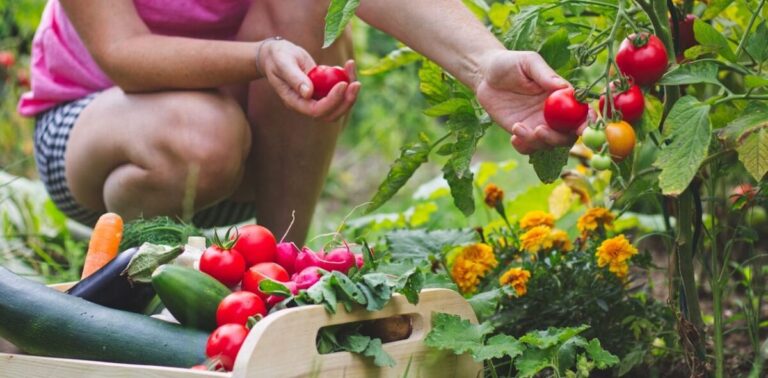
Tomatoes and zucchini are often grown near each other in vegetable gardens because they enjoy similar sunny conditions and rich soil.
Both plants are heavy feeders, so the real trick is preparation. Add compost before planting, water consistently, and make sure there is enough space for airflow.
Crowding them together too tightly can invite disease and make harvesting awkward. Nothing says summer gardening like trying to retrieve a zucchini while being scratched by tomato stems.
What to avoid when planting zucchini companions
The biggest mistake is planting too much around zucchini. These plants need space. If companions block airflow, create too much shade, or compete heavily for nutrients, they can reduce the harvest instead of improving it.
Keep the soil fertile, watch for pests, and remove diseased leaves quickly. The USDA recommends integrated pest management strategies that focus on prevention, monitoring, and lower risk controls before reaching for stronger treatments.
With the right mix of herbs, flowers, legumes, and leafy greens, zucchini can become far more productive. A thoughtful planting plan will not perform miracles overnight, but it can give your garden the kind of quiet teamwork that leads to baskets of fresh zucchini – and maybe, by late summer, a mild panic about what to do with them all.